A typical full house repaint in Melbourne takes between 5 and 10 working days for a professional team. Interior-only jobs usually run 3 to 5 days, while exteriors take 3 to 7 days depending on the size of the home, the condition of existing paintwork, and Melbourne’s weather. These are working days — rain delays, extreme heat, and public holidays can push the calendar out further. Here is a detailed breakdown so you can plan around your painting project with confidence.
Interior Painting Timelines
Interior painting is the more predictable side of any house painting project because weather is not a factor. Once your painter is set up inside, work continues rain or shine.
A single room — bedroom, living room, or home office — typically takes 1 to 2 days to complete. That includes moving furniture to the centre or out of the room, covering floors, taping edges, applying two coats of wall paint plus cutting in around ceilings, skirting boards, and window frames.
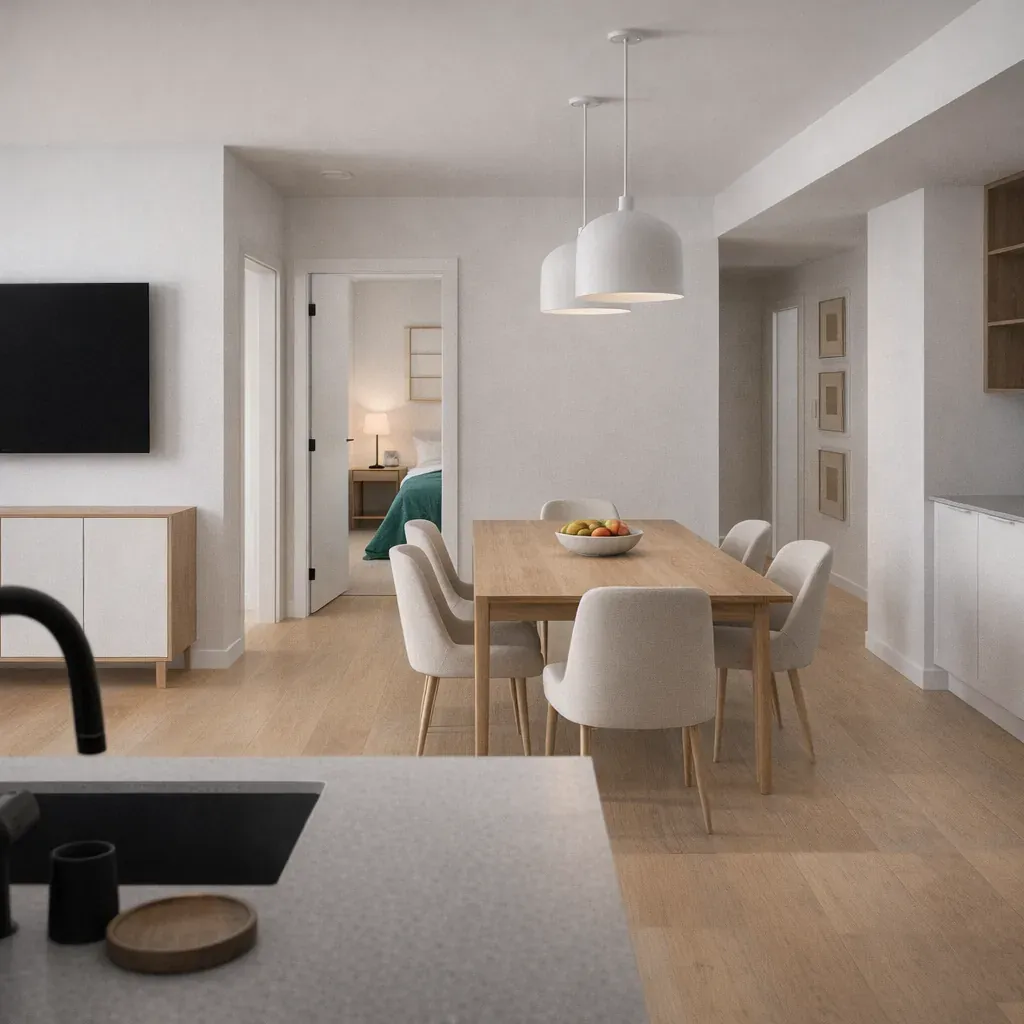
A full interior repaint of a standard 3-bedroom Melbourne home takes 3 to 5 working days for a two-person crew. Larger homes with 4 or more bedrooms, high ceilings, or detailed heritage mouldings can take 5 to 8 days.
Here is a rough guide by room type:
- Standard bedroom: 1 day
- Open-plan living/dining area: 1.5 to 2 days
- Kitchen (walls only): 1 day
- Bathroom: 0.5 to 1 day
- Hallway and stairwell: 1 to 2 days (height and access make these slower)
- All ceilings: Add 1 to 2 days for a full house ceiling repaint
Enamel work — doors, frames, skirting boards, and architraves — adds time because enamel requires more careful application, longer drying between coats, and often two to three coats for a hard-wearing finish. If your project includes full interior painting with all trim and doors, add 1 to 3 extra days to the wall-only timeline.
Exterior Painting Timelines
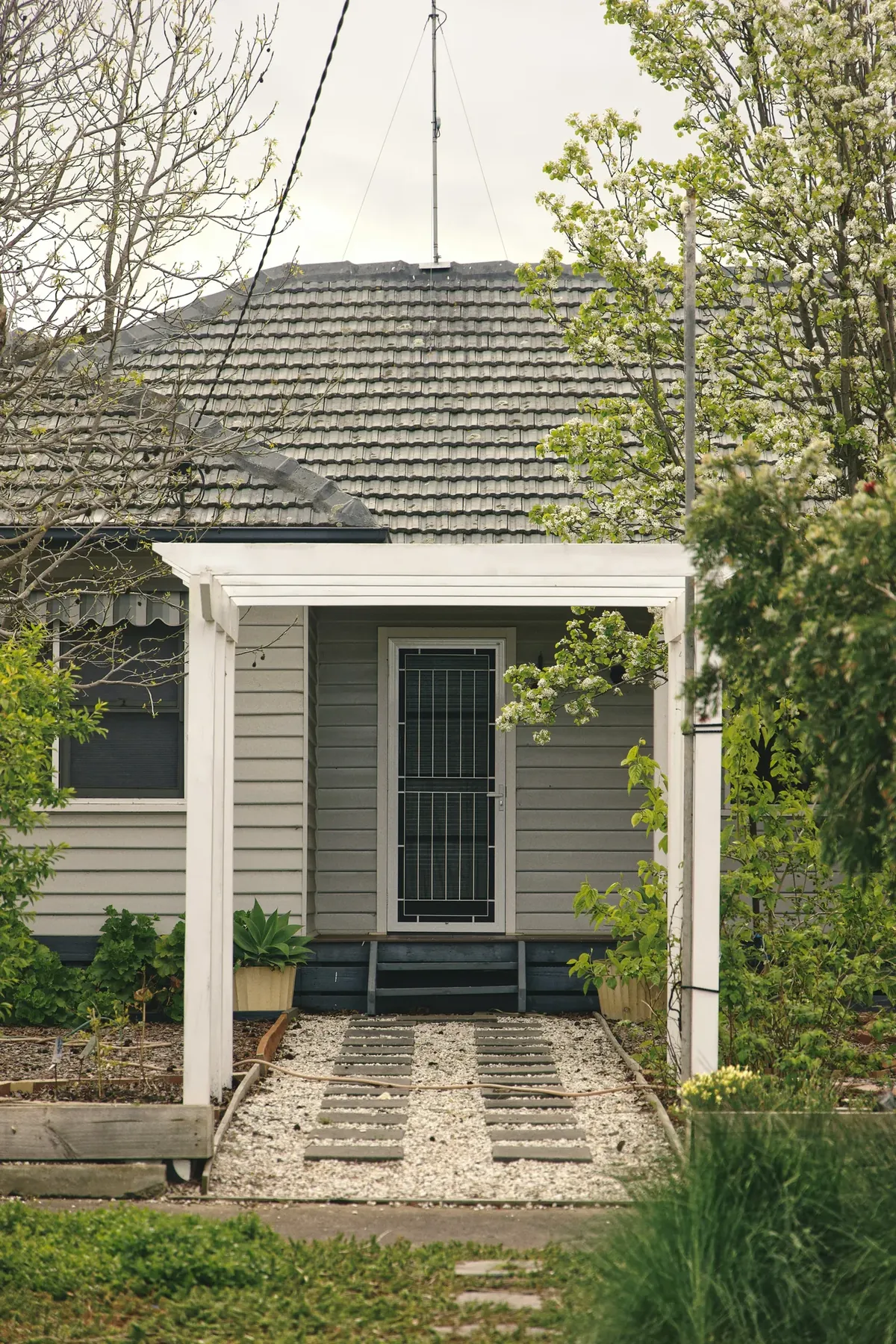
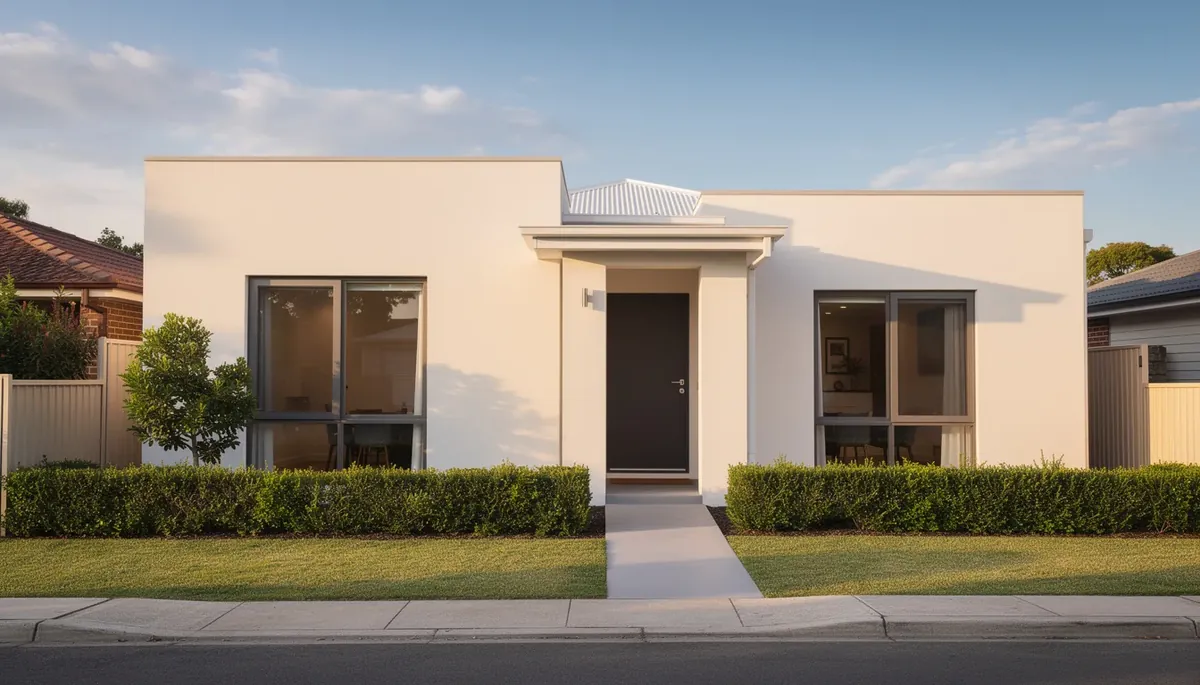
Exterior painting is where timelines become less predictable. A standard single-storey Melbourne home takes 3 to 5 working days for an experienced crew. Two-storey homes with scaffolding requirements typically take 5 to 7 working days, sometimes longer for large properties or those with extensive timber detailing.
The exterior timeline breaks down roughly like this:
- Pressure washing and prep: 0.5 to 1 day
- Scraping, sanding, and filling: 1 to 3 days (this is the biggest variable — homes with badly peeling paint need far more prep time)
- Priming bare spots: 0.5 to 1 day
- First topcoat: 1 to 1.5 days
- Second topcoat: 1 to 1.5 days
- Detail work (fascias, trims, gutters, window frames): 1 to 2 days
Scaffolding setup and removal adds roughly half a day at each end of the project. Expect the painter to spend more time on preparation than on the actual painting — that prep is what determines whether the finish lasts 3 years or 10.
What Affects the Timeline?
Every house is different, and several factors can push your project shorter or longer than the averages above. Understanding these helps you set realistic expectations.
Size of the home
This is the most obvious factor. A two-bedroom apartment takes 2 to 3 days inside. A five-bedroom period home with high ceilings, ornate cornices, and 15 doors could take 8 to 10 days for interior alone. Square metreage drives the timeline more than anything else.
Condition of existing paintwork
A home that was last painted 5 years ago with quality paint in good condition needs minimal prep — a light sand, a wash, and straight into topcoats. A home that was last painted 20 years ago with peeling, cracking, and bubbling paint across every surface will need days of scraping, filling, and priming before any colour goes on. Prep work is the single biggest variable in any painting timeline.
Number of coats required
Two coats is the standard for a quality result. But if you are changing from a dark colour to a light one, you may need a tinted undercoat plus two topcoats — essentially three coats — which adds at least a day to the project.
Access and height
Single-storey homes are straightforward. Two-storey homes require scaffolding or elevated work platforms, which slow production and add setup time. Difficult access — narrow side passages, steep blocks, overhanging trees — all reduce the speed at which painters can work safely.
Number of colours
A single-colour interior is faster than one with different feature walls, contrasting trim colours, and varied ceiling shades. Every colour change means cleaning equipment, masking different areas, and more cutting-in work.
Melbourne Weather Considerations
Melbourne’s weather is the wildcard in any exterior painting timeline. Paint needs specific conditions to apply properly and cure correctly, and Melbourne’s changeable climate — as shown by Bureau of Meteorology climate data — does not always cooperate.
Most exterior paints require:
- Temperature: Between 10 and 35 degrees Celsius. Below 10 degrees, paint dries too slowly and may not cure properly. Above 35 degrees, it dries too fast, causing lap marks and poor adhesion.
- Humidity: Below 85%. High humidity slows drying dramatically and can cause blooming (a milky, cloudy finish) on gloss and semi-gloss surfaces.
- Dry surfaces: No rain for at least 24 hours before painting, and no rain expected for at least 4 hours after application. Morning dew also needs to dry off before work can start — this often delays exterior painting until 9 or 10am in autumn and winter.
In practice, this means autumn (March to May) and spring (September to November) are the best seasons for exterior painting in Melbourne. Summer works but extreme heat days force early starts and afternoon shutdowns. Winter is the most challenging — short days, cold mornings, and frequent rain can stretch a 5-day exterior job across 2 to 3 weeks of calendar time.
Key takeaway
Rain Delay Reality: A professional painter will not paint exterior surfaces in the rain or when rain is forecast within 4 hours. This is not laziness — it is quality control. Paint applied to damp surfaces or washed by rain before it cures will fail within months. Good painters build weather contingency into their schedule and keep you informed about delays.
How to Speed Up Your Painting Project
While you cannot control the weather or change the size of your house, there are several things you can do to help your painting project stay on schedule and avoid unnecessary delays.
- Choose your colours before the painters arrive. Colour indecision is one of the most common causes of project delays. Finalise your colour scheme, get it confirmed with the painter, and have the paint ordered and mixed before the start date.
- Clear rooms before the crew starts. The less furniture and belongings in each room, the faster the painters can set up and start working. Clearing shelves, removing wall art, and shifting small items out of the room the night before saves significant time each morning.
- Make access easy. For exterior work, trim back overhanging branches and move garden furniture, bins, and vehicles away from the house. For interior work, ensure clear pathways for the crew to move between rooms with equipment.
- Book well in advance. The best painting crews in Melbourne are booked 3 to 6 weeks ahead, especially during the busy autumn and spring seasons. Booking early lets you secure your preferred dates.
- Address repairs beforehand. If you know your home needs plastering, carpentry, or other trades before painting, get those done first. Painters cannot paint over unfinished repairs, and waiting for other trades mid-project creates dead time.
Having interior and exterior done together is usually more efficient than splitting them into separate projects. A single mobilisation saves setup time and lets the crew work inside on rainy days and outside when conditions are good.
Frequently Asked Questions
Can painters work on weekends to finish faster?
Some painting companies offer weekend work, but most residential painters in Melbourne operate Monday to Friday, 7am to 4pm. Weekend work often incurs additional charges. At Modernize Solutions, we focus on efficient weekday scheduling to keep your costs down and your project moving.
How long does it take to paint just one room?
A standard bedroom or living room takes 1 to 2 days including preparation, two coats of paint, and cutting in around all edges. A very small room like a bathroom or laundry can sometimes be completed in half a day.
Does the quote include drying time between coats?
Yes. Professional timelines already account for drying time between coats. With modern water-based paints, recoat time is typically 2 to 4 hours — consistent with Dulux recoat guidelines — so painters can often apply a first coat in the morning and a second coat in the afternoon of the same day.
What happens if it rains during my exterior painting project?
The crew will pause exterior work and either move to interior tasks (if applicable) or reschedule the remaining exterior work for the next dry day. Rain delays are common in Melbourne and are factored into any realistic project timeline.
Get a Timeline and Quote for Your Melbourne Home
At Modernize Solutions, we have completed over 1,000 residential painting projects across Melbourne over 30+ years. We know how long each type of job takes and we give you an honest timeline upfront — no vague “a few days” estimates. Every quote includes a clear project schedule so you know when the work starts, when it finishes, and what to expect each day.
We use Dulux premium paints, carry $20M public liability insurance, and provide free quotes within 24 hours. Whether you need a single room freshened up or a full interior and exterior repaint, contact us for a detailed written quote with a realistic timeline.
Related Service: Interior Painting
Transform your living spaces with expert interior painting and premium Dulux finishes.
Learn more about our Interior Painting service →
Modernize Solutions
Melbourne's most experienced residential painters since 1987.