Hiring a painter shouldn’t feel like gambling. But for most Melbourne homeowners, that’s exactly what it is. You get three quotes with three different prices, three different formats, and no clear way to tell which painter will actually deliver a result that lasts. You don’t know what questions to ask, what a fair price looks like, or how to tell a professional from someone who’ll disappear after pocketing your deposit.
I’ve spent 35 years in this industry — my father Michael founded Modernize Solutions in Footscray in 1987, and I grew up watching him build a reputation one job at a time. I’ve seen every shortcut, every scam, and every disappointed homeowner who hired the wrong painter. This guide is everything I wish every customer knew before picking up the phone.
Whether you’re repainting a single bedroom or tackling a full weatherboard exterior, this is the complete playbook for hiring a painter in Melbourne — from getting your first quote to maintaining the finish years after the brushes are cleaned.
How to Get a Painting Quote in Melbourne
The quote process is where most homeowners make their first mistake: they focus entirely on the price at the bottom of the page. A quote is not just a price. It’s a document that tells you exactly what you’re paying for, how it will be done, and what happens if something goes wrong.
Get 2–3 quotes, not 5
Two to three written quotes give you enough data to understand the market rate and identify outliers. More than three quotes wastes your time and the painter’s. The goal is not to find the cheapest option — it’s to find the best value for a finish that lasts.
Insist on an in-person inspection
Any painter who quotes over the phone or from photos alone is guessing. A proper quote requires a physical inspection of every surface. The painter needs to check the condition of existing paint, identify preparation requirements, assess access issues, and measure accurately. Phone quotes are not quotes — they’re estimates that will change once the painter sees the job.
What a professional quote should include
Every quote you receive should contain:
- Scope of work — every surface being painted, listed individually
- Paint brand and product — the exact product, not “premium paint”
- Number of coats — minimum two topcoats for any repaint
- Preparation details — sanding, filling, washing, priming, specified clearly
- Materials — whether paint is included or listed separately
- Fixed total price — not an hourly rate, not a range
- Timeline — start date, expected completion
- Payment terms — deposit amount, progress payments, final payment
- Credentials — ABN, insurance details, VBA registration number
If any of these are missing, ask for them before accepting. For a deep dive into the quoting process, read our full guide on how to get a painting quote in Melbourne.
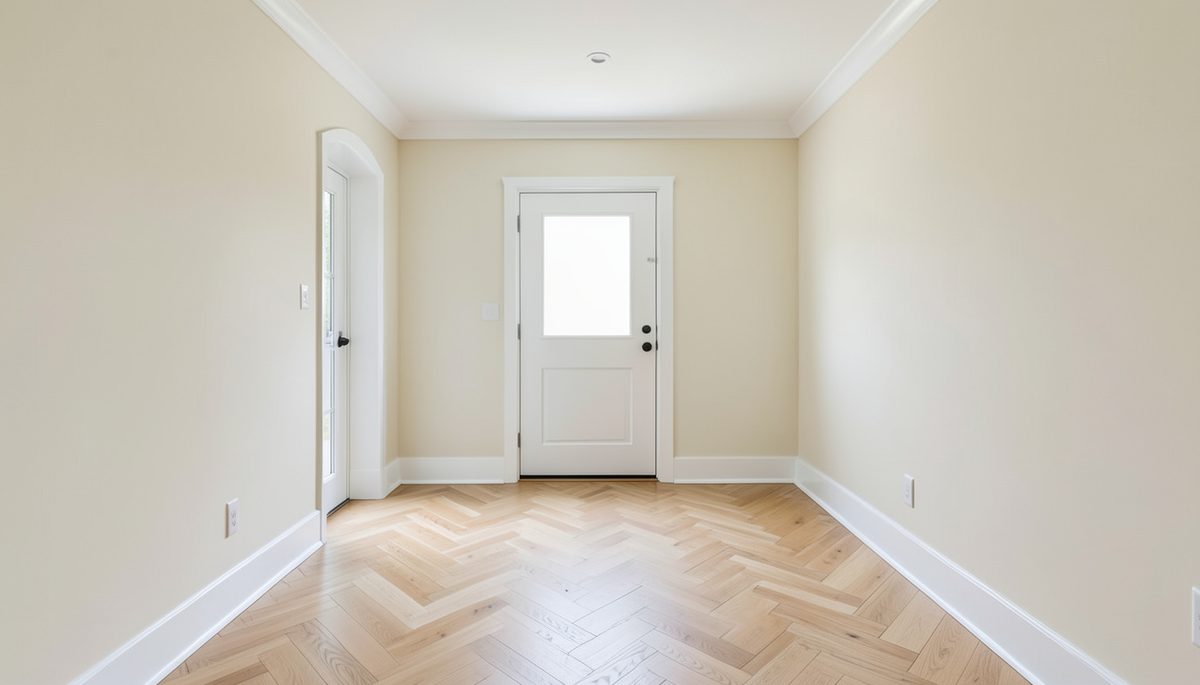
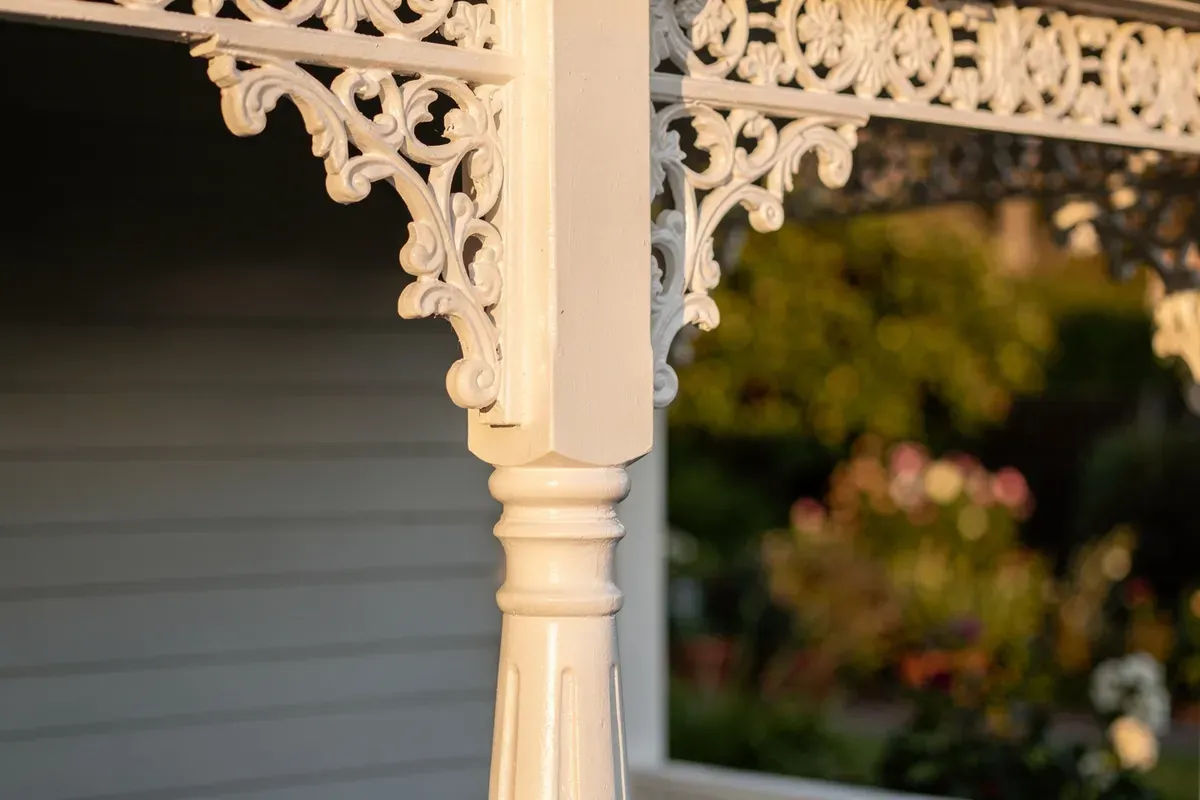
A professional quote covers every surface — entry, trim, doors, walls — with specific products and preparation for each.
Understanding Painting Costs in Melbourne
Painting costs vary because the scope varies. A bedroom with walls in good condition is a different job to a bedroom with cracked plaster, peeling paint, and dated wallpaper. But there are reliable ranges that apply across Melbourne in 2026.
Quick Reference: Melbourne Painting Costs
| Project Type | Typical Cost Range |
|---|---|
| Single bedroom (walls, ceiling, trim) | $650–$950 |
| Living room | $800–$1,200 |
| Full 3-bedroom interior | $8,000–$15,000 |
| Full 4-bedroom interior + enamel work | $12,000–$20,000 |
| Brick veneer exterior (trim only) | $3,000–$7,000 |
| Rendered exterior | $6,000–$12,000 |
| Weatherboard exterior (3-bed) | $12,000–$20,000 |
| Heritage exterior | $15,000–$35,000 |
| Two-storey exterior | $18,000–$30,000 |
| Scaffolding (if required) | $2,000–$5,000 |
These ranges assume premium paint products (Dulux Wash&Wear for interiors, Dulux Weathershield for exteriors), full surface preparation, and a professional crew. If a quote comes in well below these ranges, interrogate what’s being left out.
For detailed cost breakdowns by project type, see our guides on house painting costs in Melbourne and the cost to paint a room in Melbourne.
Why prices vary so much
The single biggest cost variable is preparation. A house with sound, well-maintained paint might need a wash, light sand, and two topcoats. A house with 40 years of built-up paint, cracking, and moisture damage needs extensive scraping, filling, priming, and sometimes even partial re-sheeting before a single topcoat goes on. The preparation alone can double the cost of a project — and it’s the difference between a finish that lasts 3 years and one that lasts 15.
The second variable is access. Single-storey homes with flat ground and clear access are straightforward. Two-storey homes require scaffolding at $2,000–$5,000, and properties with steep blocks, narrow side access, or heritage detailing add complexity and time.
Paint product choice is the third variable. A 4-litre tin of premium paint like Dulux Weathershield costs $60–$90 at retail. Builder-grade paint costs $20–$30. On a full exterior that might require 40–60 litres, the material cost difference alone is $1,500–$3,000. But the real cost difference shows up in 5 years when builder-grade paint is fading, chalking, and peeling while premium paint still looks fresh.
The 10-Point Credential Check
Before you accept any quote, run every painter through these ten checks. This takes 15 minutes and eliminates 90% of the risk.
1. Valid ABN
Every painter operating legally in Australia has an Australian Business Number. Verify it on the ABN Lookup website. If the ABN is cancelled, not registered for GST when it should be, or doesn’t match the business name on the quote, walk away.
2. Public liability insurance
Ask for a current certificate of currency — not just a claim of being insured. The minimum standard for residential painting is $10 million in public liability coverage. This protects you if the painter damages your property, a third party is injured, or something goes wrong during the project.
3. VBA registration
In Victoria, any painter performing domestic building work valued at over $10,000 must be registered with the Victorian Building Authority. You can verify registration online. For smaller jobs under $10,000, VBA registration is not legally required — but a registered painter has demonstrated a higher standard of professionalism.
4. Premium paint products
Ask what paint brand and product the painter uses. Painters who use premium brand-name paints like Dulux Wash&Wear, Weathershield, and other professional-grade products are investing in durability and finish quality. Avoid painters who are vague about what products they use or default to builder-grade paint.
5. Google reviews
Read the reviews, not just the star rating. Look for reviews from real homeowners describing specific projects — “They painted our 3-bedroom weatherboard in Yarraville and it looks incredible” carries more weight than “Great job, highly recommend.” Check the volume too. A painter with 50+ reviews and a 4.8+ average is statistically reliable.
6. Portfolio of recent work
Ask to see photos of completed projects similar to yours. A painter who specialises in interior work should have dozens of recent interior examples. A painter who claims to do everything but can’t show you photos of anything should raise questions.
7. Written quote
A verbal quote is worth the paper it’s not written on. Every quote should be a written document with the full scope, pricing, timeline, and terms. This becomes your reference point if any disputes arise during or after the project.
8. Workmanship warranty
Professional painters stand behind their work with a written warranty — typically 2–5 years for workmanship. This covers defects in application like peeling, blistering, or uneven coverage that result from the painter’s work, not from building movement or impact damage.
9. Paint products specified
The quote should name the exact paint products being used — not “premium paint” or “quality acrylic.” You should see specific product names like Dulux Wash&Wear, Dulux Weathershield, or Dulux Ceiling White. If the painter won’t tell you what paint they use, they’re probably using something they don’t want you to know about.
10. Clean-up policy
Ask what happens at the end of each day and at the end of the project. Professional painters remove all drop sheets, tape, and equipment daily, clean up any paint spills or overspray, and leave your home in the same condition they found it — minus the old paint.
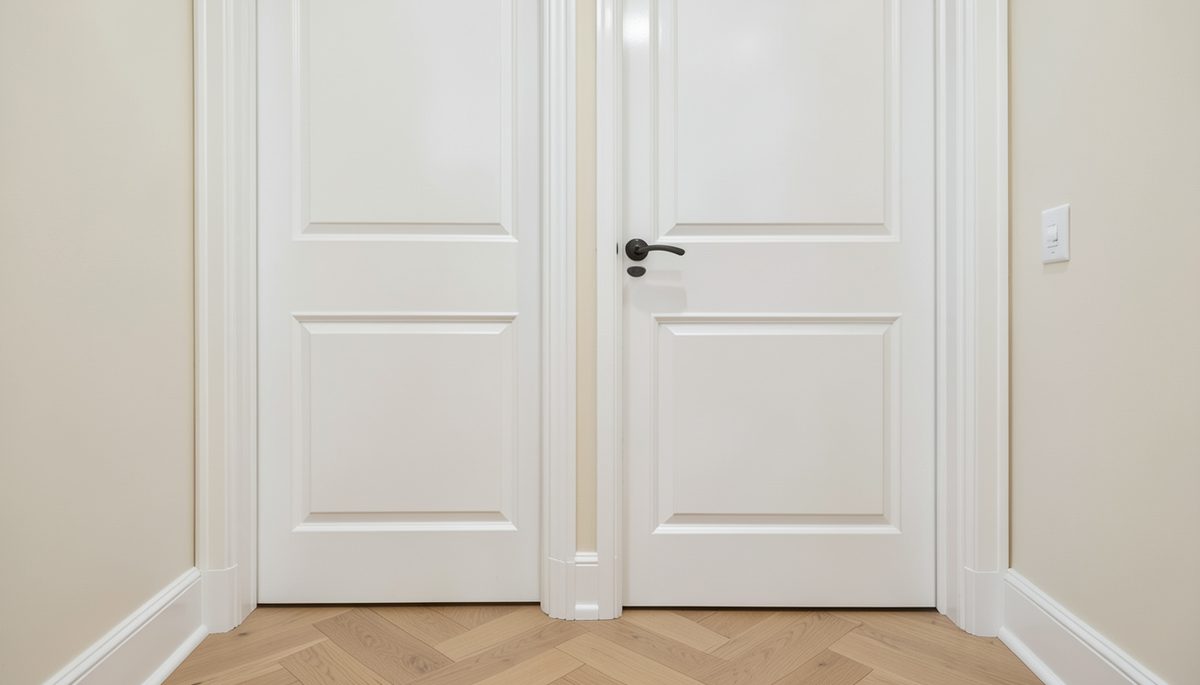
Quality shows in the details — clean edges, smooth finishes, and no paint where it shouldn't be.
Red Flags: How to Spot a Dodgy Painter
Melbourne has plenty of excellent painters. It also has operators who will take your money and deliver a result that fails within months. Here’s how to tell the difference before you hand over a cent.
Cash-only, no invoice. If a painter insists on cash payment and won’t provide a tax invoice, they’re operating outside the system. You have no paper trail, no consumer protection, and no way to make a warranty claim.
No written quote. A painter who gives you a price over the phone or scribbles a number on the back of a business card is not providing a quote. Without a written scope, there’s no agreement on what you’re paying for.
Won’t specify the paint brand. This is one of the most telling red flags. A professional painter is proud of the products they use. A painter who deflects or refuses to name the paint is likely using cheap, unbranded product that won’t last.
Demands full payment upfront. Standard payment terms are a deposit (10–20%), a progress payment at the midpoint, and final payment on completion. Any painter who wants the full amount before starting work is a risk you don’t need to take.
No ABN or insurance details. If the painter can’t provide these within minutes, they either don’t have them or don’t want you checking. Both scenarios end badly for you.
Unusually low pricing. When one quote is 30–40% below the others, it’s not because that painter found an efficiency the others missed. It means they’re cutting corners: fewer coats, no preparation, cheap paint, no insurance, or all of the above. The cheapest quote almost always becomes the most expensive when you’re paying someone else to fix it two years later.
No preparation mentioned. If the quote doesn’t mention sanding, filling, washing, priming, or any form of surface preparation, the painter is planning to paint straight over whatever’s there. Paint applied to unprepared surfaces fails. Every time.
No photos or references. A painter who has been in business for any length of time should have dozens of project photos and happy customers willing to vouch for their work. If they can’t produce either, ask yourself why.
What Happens During a Painting Project
Understanding the process removes the uncertainty. Here’s what a professional painting project looks like from day one to handover.
Before the crew arrives
Your painter should confirm the start date, arrival time, and expected crew size at least a week in advance. They should also confirm where they’ll park, where they’ll store materials, and whether they need access to power or water.
Day one: setup and preparation
The first day on most projects is entirely preparation. The crew will lay drop sheets, mask edges and fittings, fill holes and cracks, sand surfaces, wash walls (for exteriors), and apply primer to any bare or repaired areas. On a full interior repaint, preparation accounts for 60–70% of the total project time. This is normal and necessary — it’s the foundation that the finish depends on.
Painting days
Once preparation is complete, the actual painting begins. A professional crew works systematically — ceilings first, then walls, then trim and enamel work. Each coat needs drying time between applications (typically 2–4 hours for water-based paints, longer for oil-based enamels). Your painter should update you on progress daily and flag any issues they discover — like hidden moisture damage or structural cracks that weren’t visible before preparation started.
Final inspection and handover
Before final payment, walk through the project with the painter. Check every surface in natural daylight — artificial light hides imperfections. Look at edges, corners, window frames, and behind doors. A professional painter will welcome this inspection and fix any minor touch-ups on the spot. Document any concerns in writing and agree on a timeline for resolution before making the final payment.
Living at home during painting
Most homeowners stay in their home during interior painting, and that’s perfectly fine. Rooms are painted one at a time, so you’ll always have functional living space. Modern water-based paints like Dulux Wash&Wear are low odour and dry quickly. Keep windows open for ventilation, keep children and pets away from wet paint, and plan around rooms being out of use for 4–6 hours per coat.
For more on project timelines and what to expect at each stage, see our guide on how long it takes to paint a house in Melbourne.
Preparation: What You Do vs What the Painter Does
There’s a clear line between homeowner preparation and painter preparation. Knowing the difference prevents miscommunication and delays.
Your responsibilities (before the crew arrives)
- Remove wall art, mirrors, shelves, and curtains. Take everything off the walls. Painters won’t remove your personal items — it’s a liability issue.
- Clear shelving and windowsills. Remove ornaments, books, photo frames, and anything sitting on surfaces near walls.
- Move small furniture out. If you can carry it, move it out of the room entirely.
- Move large furniture to the centre. Heavy items like sofas and beds should be pushed to the middle of the room so the painter can access all walls.
- Clear exterior access paths. Move garden furniture, pot plants, hoses, and anything blocking access to exterior walls.
- Arrange pet care. Pets and wet paint don’t mix. Dogs need to be secured away from work areas. Cats need to be kept indoors or outdoors — not wandering through freshly painted rooms.
For a full preparation checklist, see our house painting checklist for Melbourne homeowners.
The painter’s responsibilities
- Surface preparation — washing, sanding, scraping, filling, priming
- Drop sheets — protecting all floors, furniture, and fittings
- Masking — taping edges, light switches, power points, and any surfaces not being painted
- Dust containment — managing sanding dust and debris
- Daily clean-up — removing materials and leaving the workspace tidy at the end of each day
- Final clean-up — removing all equipment, drop sheets, tape, and paint residue at project completion
The preparation a painter does is what separates a paint job that lasts 3 years from one that lasts 15 years. A quality painter spends 60–70% of the total project time on preparation. If your painter arrives and starts painting within the first hour, something is wrong.
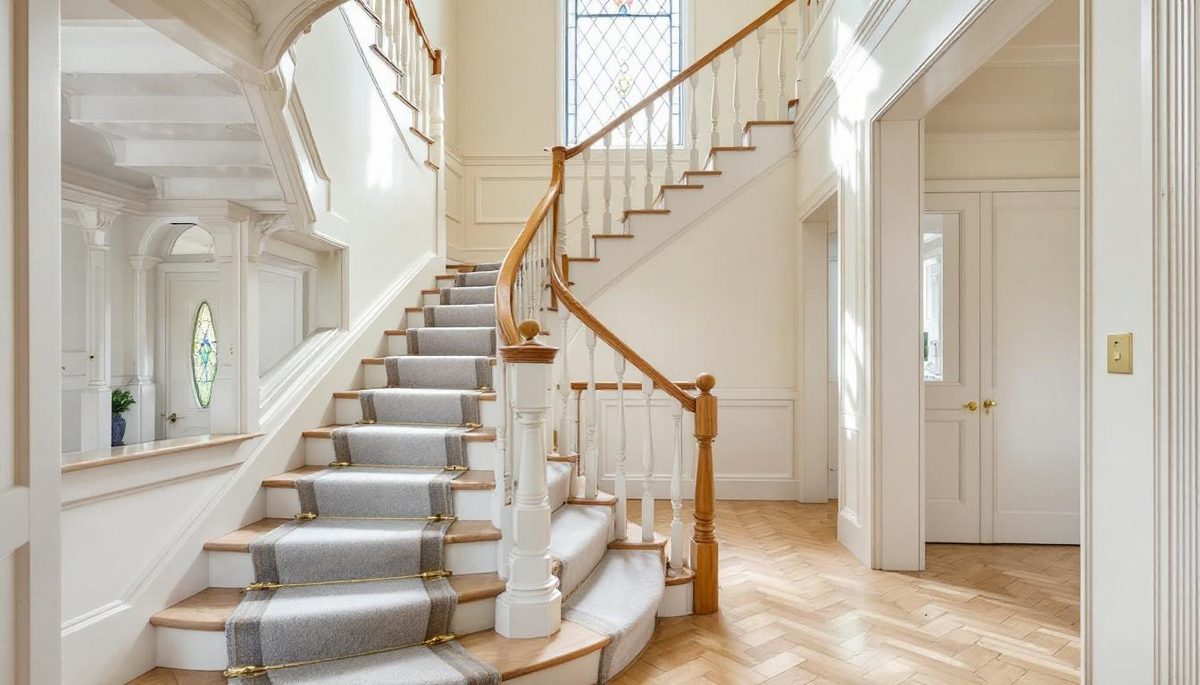
Heritage staircase work requires extensive preparation — every spindle sanded, primed, and coated individually.
Paint Products: What Should Your Painter Use?
The paint on your walls is a performance product, not just a colour. The difference between premium paint and builder-grade paint is the difference between a finish that looks fresh for 10+ years and one that starts failing in 2–3.
Premium vs builder-grade paint
Premium paints like Dulux Wash&Wear and Dulux Weathershield contain higher concentrations of resin (the binder that holds the paint together) and pigment (which provides colour and coverage). More resin means better adhesion, flexibility, and durability. More pigment means better coverage per coat and longer colour retention.
Builder-grade paints — often sold under generic or store-brand labels — use lower-quality resins and fillers like calcium carbonate instead of titanium dioxide. They go on thin, require more coats to achieve coverage, fade faster in UV light, and break down sooner when exposed to Melbourne’s weather cycles.
A 4-litre tin of premium paint costs $60–$90. Builder-grade costs $20–$30. On a full project, the material cost difference is $1,500–$3,000. But when premium paint lasts 10–15 years on exteriors and 7–10 years on interiors versus 3–5 years for budget products, the cost per year of premium paint is actually lower.
What products to expect from your painter
For Melbourne residential work, the industry-standard products are:
- Interior walls and ceilings: Dulux Wash&Wear — washable, low odour, excellent coverage, available in matt, low sheen, and semi-gloss
- Ceilings: Dulux Ceiling White — ultra-flat finish that hides imperfections and reduces glare
- Exterior walls and trim: Dulux Weathershield — UV-resistant, flexible, designed for Australian conditions with extreme temperature swings
- Interior trim and doors: Dulux Aquanamel or equivalent water-based enamel — hard-wearing, smooth finish, suitable for high-touch surfaces
Haymes and Taubmans are also quality Australian paint brands that professional painters use. The key is that your painter names the specific product. “Premium paint” is not a product name — it’s a marketing phrase that means nothing without a brand and product line behind it.
For a detailed comparison of paint brands, read our guide on Dulux vs Haymes paint.
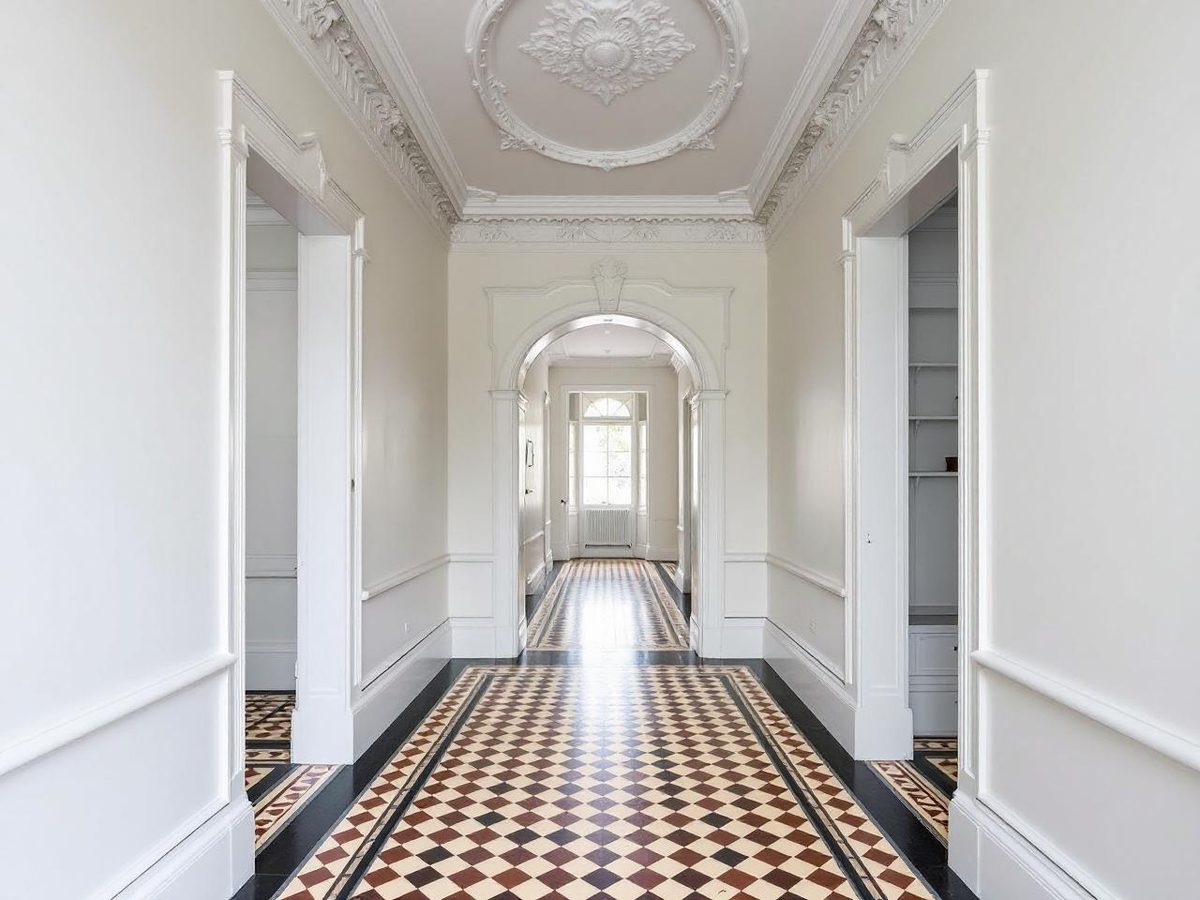
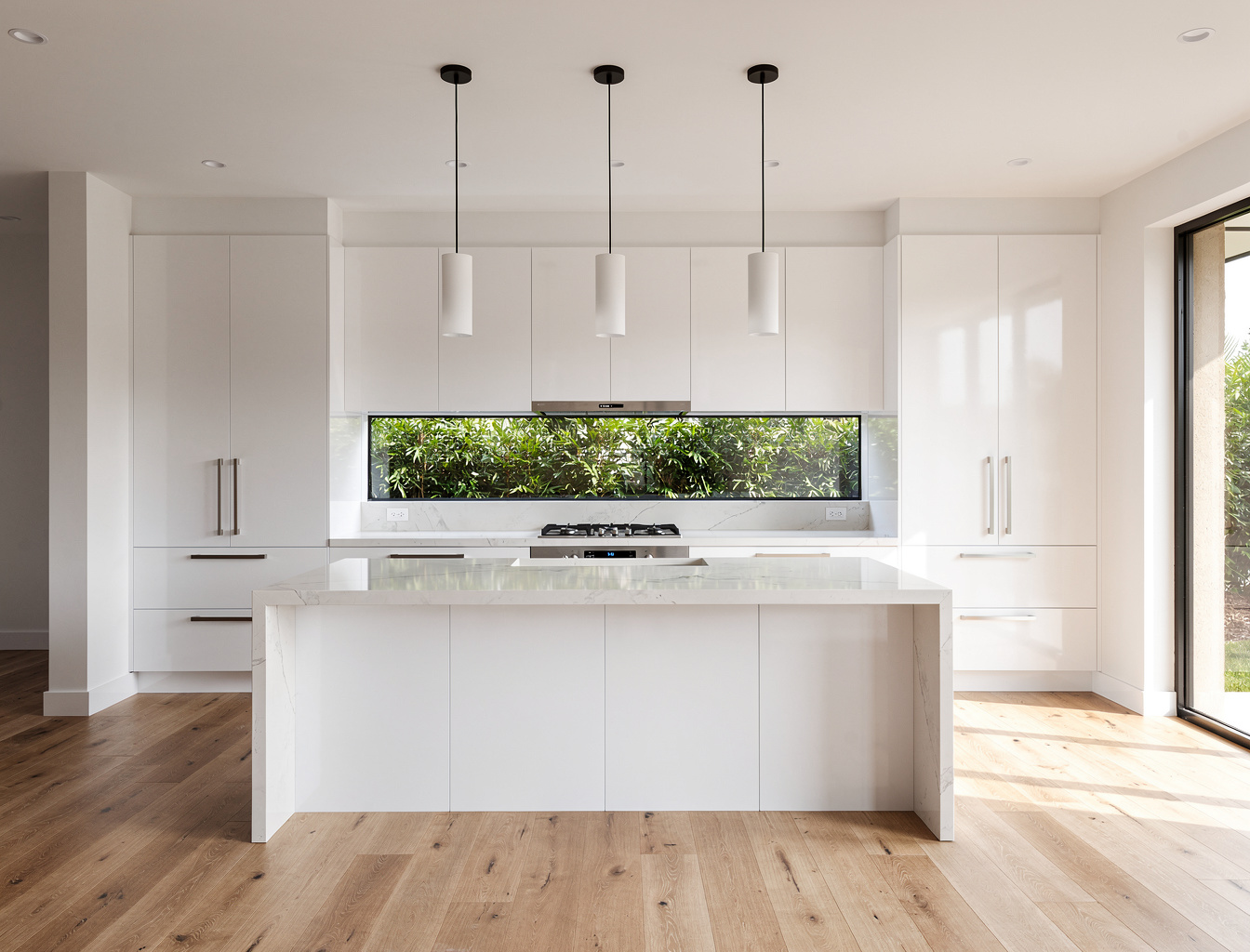
Premium paint in a low sheen finish — walls stay clean, colour stays true, and the finish holds up to daily traffic.
Should you supply the paint yourself?
In almost all cases, no. Most professional painters supply the paint and include it in their quote, or list it as a clearly itemised line item. This is the better arrangement for several reasons:
- The painter knows which products perform best on each surface type
- They can ensure the correct quantities, avoiding waste or shortages mid-project
- Product warranty support depends on correct product selection and application
- If the painter supplies the paint, they take full responsibility for the result
If you supply the paint yourself, the painter cannot guarantee the product’s performance — and if there’s a failure down the track, the responsibility becomes unclear. Save yourself the headache and let the professional choose the product.
Timelines and Scheduling
How long a painting project takes depends on the size of the job, the condition of the surfaces, and for exteriors, Melbourne’s weather.
How long projects take
| Project | Typical Timeline |
|---|---|
| Single bedroom | 1 day |
| Full 3-bedroom interior | 3–5 days (2-person crew) |
| Single-storey exterior | 3–5 days |
| Two-storey exterior | 5–7 days |
| Combined interior + exterior | 2–4 weeks |
These are working-day estimates assuming surfaces in average condition. Heavy preparation (old peeling paint, moisture damage, lead paint remediation for pre-1970 homes) can add days to any project.
Peak season and booking lead times
Melbourne’s painting peak season runs from September through to April — essentially spring through autumn. During these months, established painters book out 4–6 weeks in advance. If you need work completed before a specific deadline — a property sale, a tenancy changeover, Christmas — book as early as possible and confirm the completion date in writing.
For most projects, booking 2–4 weeks ahead is sufficient. If you’re flexible on timing, mention it — some painters can fit smaller jobs into gaps between larger projects at shorter notice.
Weather delays (exterior work)
Exterior painting requires dry conditions and temperatures above 10°C. Melbourne’s weather is notoriously unpredictable, and exterior projects will encounter rain delays, particularly during spring. A professional painter factors weather contingency into their timeline. If your exterior project is quoted at 5 working days, expect the elapsed time to be 7–10 calendar days to allow for weather.
For a more detailed breakdown of painting timelines and what affects them, read our guide on how long it takes to paint a house in Melbourne.
If you’re thinking about the best time of year to schedule your project, see our guide on the best time to paint in Melbourne.
Warranties and After-Care
A professional painter’s relationship with your project doesn’t end when they pack up their brushes. Warranties and after-care are what separate a transaction from a service.
Workmanship warranties
Reputable painters provide a written workmanship warranty, typically covering 2–5 years. This warranty covers defects in application — peeling, blistering, flaking, or uneven coverage that results from the painter’s work. It does not cover damage from building movement, impact, flood, or normal wear in high-traffic areas.
Get the warranty terms in writing before the project starts. Know what’s covered, what’s excluded, and how to make a claim.
Product warranties
Paint manufacturers like Dulux provide separate product warranties that cover the paint’s performance — colour retention, adhesion, resistance to chalking and fading. These warranties are conditional on the product being applied according to the manufacturer’s specifications, which is another reason to hire a professional who knows those specifications.
Touch-up paint
Ask your painter to leave any leftover paint, labelled with the colour name and product. Store it in a cool, dry place with the lid sealed tightly. This is your touch-up supply for the next 1–2 years — perfect for addressing scuffs, chips, and marks without calling the painter back.
Curing and early care
Paint is dry to touch within hours, but it takes 2–4 weeks to fully cure. During this curing period:
- Don’t wash walls or scrub surfaces
- Don’t hang pictures, mirrors, or shelves (the adhesive or hardware can pull uncured paint off the wall)
- Don’t push furniture hard against freshly painted walls
- Keep rooms ventilated
Long-term maintenance
With proper maintenance, interior paint lasts 7–10 years and exterior paint lasts 10–15 years before it needs repainting. Maintenance is simple:
- Interior: Dust walls every 3–6 months. Clean marks with a damp cloth and mild soapy water. Address chips immediately with touch-up paint.
- Exterior: Inspect annually for early signs of failure — cracking, peeling, chalking, or fading. Wash exterior surfaces with a garden hose every 6–12 months to remove dirt, mould, and pollutants. Address any bare spots before they spread.
For more on interior vs exterior painting maintenance differences, see our comparison guide.
DIY vs Hiring a Professional Painter
It’s a fair question. A DIY interior repaint costs roughly $1,500–$3,000 in materials plus 4–6 weekends of your time. A professional costs more upfront but delivers a faster, longer-lasting result with zero risk to you.
Here’s the honest comparison:
| Factor | DIY | Professional |
|---|---|---|
| Cost | $1,500–$3,000 + your time | $8,000–$15,000 (3-bed interior) |
| Time | 4–6 weekends | 3–5 days |
| Preparation | Often skipped or underestimated | 60–70% of the project |
| Product knowledge | Trial and error | Years of experience with specific products |
| Equipment | Basic rollers and brushes | Professional spray equipment, scaffolding, speciality tools |
| Finish quality | Variable | Consistent, professional-grade |
| Warranty | None | 2–5 years workmanship |
| Insurance | Your home insurance (check coverage) | $10M+ public liability |
DIY works for a single feature wall or a rental touch-up where longevity isn’t the priority. For any project where you care about the result lasting, want it done in days instead of months, and don’t want to spend your weekends sanding, a professional painter is the better investment.
For a full breakdown, read our detailed guide on DIY vs professional painting in Melbourne.
If you’re painting before selling a property, the ROI case for professional painting is even stronger — see our guide on painting your house before selling in Melbourne.
Why Melbourne Homeowners Choose Modernize Solutions
We’re not the cheapest painter in Melbourne. We don’t try to be. Here’s what we are:
Family-owned since 1987. My father Michael Moylan started Modernize Solutions from a workshop in Footscray. We’ve been painting Melbourne homes for 35+ years — through recessions, building booms, and everything between. We’re still here because we do the job right the first time.
Premium Dulux products on every project. We use Dulux Wash&Wear for interiors, Dulux Weathershield for exteriors, and Dulux Ceiling White for ceilings — premium products that deliver better coverage, durability, and finish quality.
$20 million public liability insurance. Double the industry standard. We carry this level of coverage because we work on high-value properties where the stakes match the standards.
Rated 4.8 stars on Google (154 reviews). Not curated. Not filtered. Real reviews from real Melbourne homeowners who let us into their homes and were happy enough to write about the experience.
Premium products only. Every project uses Dulux Wash&Wear for interiors, Dulux Weathershield for exteriors, and Dulux Ceiling White for ceilings. We specify the exact product on every quote because we’re proud of what we use.
We provide detailed, itemised quotes with fixed pricing. We include a written workmanship warranty on every project.
If that sounds like the standard you’re looking for, get in touch or call us on 0451 040 396 for a no-obligation quote.
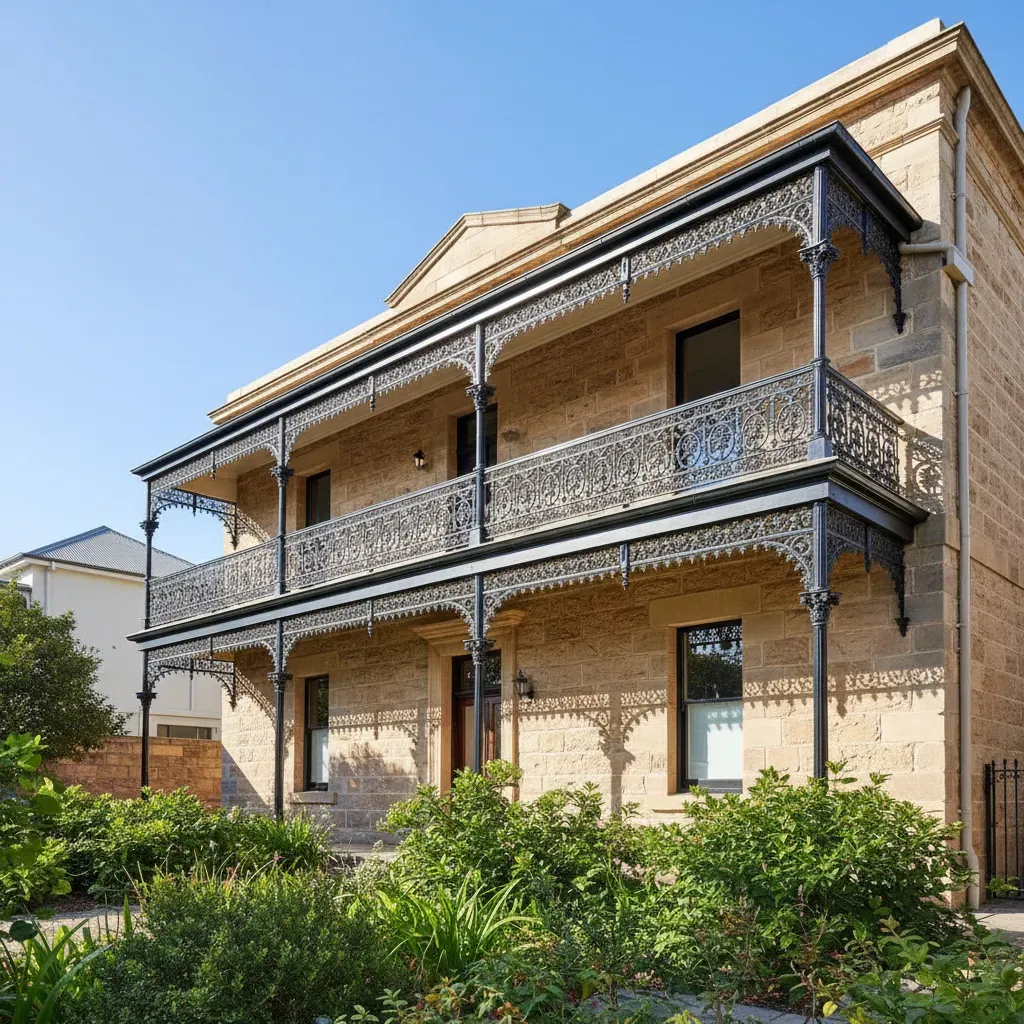
Modernize Solutions crew on a heritage exterior in Essendon — scaffolding, preparation, and premium products on every job.
Frequently Asked Questions
How do I find a reliable house painter in Melbourne?
Check for a valid ABN on the ABN Lookup website, current public liability insurance ($10M minimum), and VBA registration if the job exceeds $10,000. Read Google reviews from real local homeowners, ask for an itemised written quote, and confirm what paint products will be used. A painter who uses premium brand-name paints like Dulux is investing in quality results.
How much should I expect to pay a painter in Melbourne?
A single bedroom costs $650–$950 for walls, ceiling, and trim. A full 3-bedroom interior costs $8,000–$15,000. Exterior repaints range from $3,000–$7,000 for brick veneer trim to $12,000–$20,000 for a weatherboard home. Heritage homes cost $15,000–$35,000 for a full exterior. For a complete cost breakdown, see our house painting cost guide.
What questions should I ask a painter before hiring them?
Ask for their ABN, public liability insurance certificate of currency, VBA registration number (for jobs over $10,000), what paint brand and product they use, how many coats are included, whether preparation is included in the price, their clean-up process, and their warranty terms. Also ask for photos of recent completed work. Our guide on how to hire a painter in Melbourne covers every question in detail.
Do painters in Melbourne need to be licensed or registered?
In Victoria, any painter performing domestic building work valued at over $10,000 must be registered with the Victorian Building Authority. For jobs under $10,000, registration is not legally required but is still a strong indicator of professionalism. All painters should have a valid ABN and public liability insurance regardless of job size.
How do I know if a painting quote is fair?
A fair quote is itemised, specifies the paint brand and product, states the number of coats, includes preparation work, and provides a fixed total price. Compare 2–3 quotes for the same scope. Be suspicious of quotes significantly below the others — it usually means fewer coats, no preparation, or cheap paint. Read our painting quote guide for a line-by-line breakdown of what to compare.
What should a painting quote include?
A professional quote should list every surface being painted, the paint brand and product for each area, the number of coats, all preparation work included, whether paint materials are included or additional, the fixed total price, the estimated timeline, and payment terms. If any of these are missing, ask before accepting.
How far in advance should I book a painter in Melbourne?
Book 2–4 weeks ahead for most projects. During peak season (spring and autumn), professional painters book out 4–6 weeks in advance. If you need painting done before a specific deadline like a property sale, book as early as possible and confirm the completion date in writing.
What are the red flags when hiring a painter?
Cash-only payment with no invoice, no written quote, refusal to specify the paint brand, demanding full payment upfront, no ABN or insurance details, unusually low pricing, no mention of preparation in the quote, and no photos or references from past work. Any one of these is cause for concern. Multiple red flags together mean you should walk away immediately.
Should I get multiple painting quotes?
Yes. Get 2–3 written, itemised quotes for the same scope of work. This gives you a realistic price range and helps identify outliers. Do not automatically choose the cheapest — compare what is included in each quote, particularly preparation, paint quality, and number of coats.
Is it worth paying more for a painter who uses premium paints?
Yes. Painters who use premium brand-name products like Dulux Wash&Wear and Weathershield deliver better coverage, colour retention, and durability than those using builder-grade or budget paints. Premium products also come with manufacturer warranty support. Ask your painter to specify the exact products on the quote.
What happens if I’m not happy with the paint job?
Raise concerns immediately with the painter — most issues are easily fixed between coats or shortly after completion. Reputable painters include a workmanship warranty (typically 2–5 years) and will return to address defects. Inspect the work in natural daylight before final sign-off and document any issues in writing.
Do I need to prepare my house before the painters arrive?
Yes. Remove wall art, mirrors, shelves, and curtains. Clear shelving and windowsills. Move small furniture out and large furniture to the centre of the room. Clear access paths for the painter’s equipment. Arrange pet care. The painter handles surface preparation, drop sheets, and masking. See our complete house painting checklist for a printable version.
How long does a house painting project take in Melbourne?
A full 3-bedroom interior takes 3–5 days with a 2-person crew. A single-storey exterior takes 3–5 days. A two-storey exterior takes 5–7 days. A combined interior and exterior project takes 2–4 weeks. Weather delays can extend exterior timelines. For a detailed timeline breakdown, see our guide on how long it takes to paint a house.
Should I supply the paint or does the painter provide it?
Most professional painters supply the paint and include it in their quote, or charge it as a clearly itemised line item. This is preferable because the painter knows which products work best for each surface and can ensure correct quantities. If you supply paint, the painter cannot guarantee the product’s performance.
What’s the difference between a cheap painter and a quality painter?
A cheap painter typically skips preparation, applies fewer coats, uses builder-grade paint, has no insurance or warranty, and finishes quickly. A quality painter spends 60–70% of the job on preparation, applies a full primer and two topcoats of premium paint, carries proper insurance, provides a written warranty, and leaves a finish that lasts 7–15 years. The cheap option usually costs more in the long run when you’re paying to redo the job in 2–3 years.
Can I live in my house while it’s being painted?
Yes. Most homeowners stay in their home during interior painting. Rooms are painted one at a time, and modern water-based paints like Dulux Wash&Wear are low odour. Keep windows open for ventilation, keep children and pets away from wet paint, and plan around rooms being out of use for 4–6 hours per coat.
How do I maintain my paint job after it’s done?
Wait 2–4 weeks for the paint to fully cure before washing walls or hanging pictures. Dust walls every 3–6 months. Clean marks with a damp cloth and mild soapy water. Address chips immediately with touch-up paint. Monitor exterior paint annually for early signs of failure. Interior paint lasts 7–10 years and exterior lasts 10–15 years with proper maintenance.
What paint brands should a Melbourne painter be using?
Premium Australian brands: Dulux Wash&Wear for interior walls, Dulux Weathershield for exteriors, and Dulux Ceiling White for ceilings are industry standards. Haymes and Taubmans are also quality options. Avoid unnamed or imported budget paints — they contain less resin and pigment, leading to poor coverage, faster fading, and shorter lifespan. See our full comparison in Dulux vs Haymes paint.
Related Service: Interior Painting
Transform your living spaces with expert interior painting and premium Dulux finishes.
Learn more about our Interior Painting service →
Modernize Solutions
Melbourne's most experienced residential painters since 1987.