The cheapest time of year to paint a house in Melbourne is winter, roughly June to August, when demand drops, painters have gaps in their schedules, and you can often negotiate around 10–15% off compared with the spring and summer peak. The important caveat is that this saving applies cleanly to interiors; cold, damp Melbourne winters are poor for exterior drying, so exterior work is best done in spring or autumn even if you book it during the cheaper winter window. According to Dulux Australia, most exterior paints need surface and air temperatures above about 10°C and dry conditions to cure properly.
We’ve been painting Melbourne homes since 1987, that’s more than three decades, so we’ve quoted and scheduled jobs through every season this city throws at us. This guide explains exactly when to book to save money, why winter is cheap, why that cheapness has a catch for exteriors, and how to get the off-peak price without sacrificing the finish.
A quick note before we start: this is the price article. If you’re asking which season gives the best quality finish and drying conditions rather than the lowest price, read our companion guide on the best time to paint in Melbourne, it covers the curing and weather side in detail. The two questions have different answers, and that difference is the whole point.
Is winter really the cheapest time to paint?
Yes, winter is genuinely the cheapest time to book a Melbourne painter because demand collapses once the weather turns, and painters discount to fill their quieter calendars.
Painting is a seasonal trade. From roughly September through March, every second household in Melbourne decides to freshen up before Christmas, before a sale, or before summer entertaining. Painters get booked solid, and when a tradesperson’s calendar is full, there’s no incentive to discount. That’s peak demand and peak price.
Come June, the phone goes quiet. Fewer people think about painting in the cold, the pre-Christmas rush is long gone, and many painters find themselves with gaps between jobs. A gap in a painter’s schedule is lost income, so winter is the one time of year you have real negotiating leverage. In our experience and across the broader market, that translates to roughly 10–15% off the warm-season rate for the same scope of work.
Key takeaway: The cheapest time to book a painter in Melbourne is winter (June–August), when low demand and schedule gaps mean you can often negotiate around 10–15% off the spring/summer peak price.
Why does painting get cheaper in winter?
Painting gets cheaper in winter because it’s driven by supply and demand, fewer homeowners booking work means painters compete on price to keep their teams busy.
There’s nothing mysterious about it. The cost of paint, labour and materials doesn’t change much month to month. What changes is how many people want the work done. When demand is high, painters quote confidently at full rates because they know someone will say yes. When demand is low, the same painter would rather take a slightly thinner margin than have his team standing idle for a fortnight.
The Airtasker house painting cost guide notes that quotes vary with demand and timing as much as with the size of the job itself. That’s the lever you’re pulling in winter: you’re not getting a worse paint job for less money, you’re getting the same job at a moment when the painter values the booking more than the extra margin.
“Winter is the one season where the homeowner has the leverage. We’d rather keep our team working at a fair rate than have empty weeks in July, and most reputable painters think the same way.”, Modernize Solutions, painting Melbourne homes since 1987
Is winter bad for exterior paint?
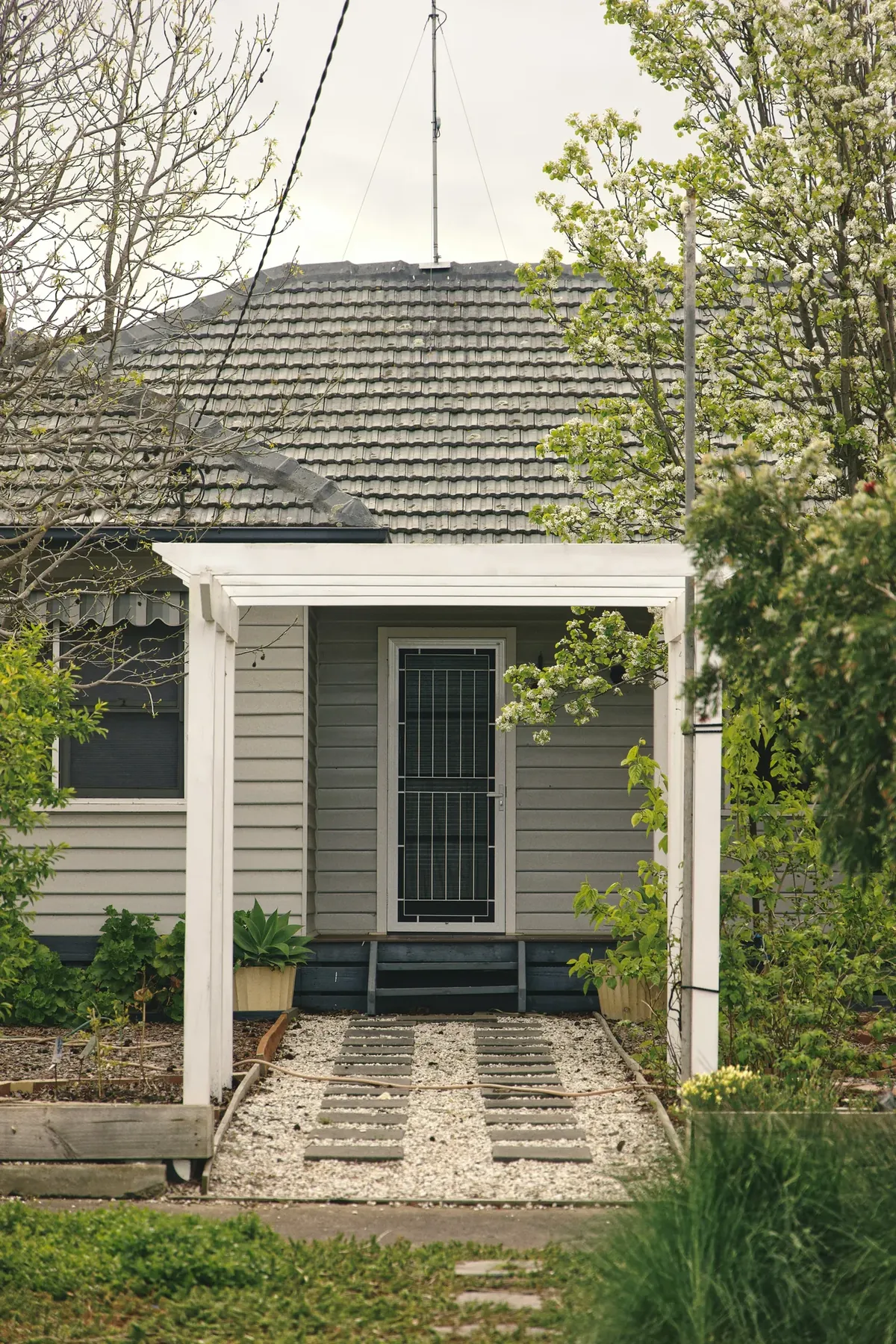
For exterior work, yes, Melbourne winters are cold, damp and dewy, and those conditions slow paint drying and curing, which is exactly when the cheap rate stops being a bargain.
This is the catch that the “winter is cheapest” advice usually leaves out. Paint doesn’t just dry, it cures, a chemical process that needs the right temperature and dry air to form a hard, durable film. Most exterior paints, including the Dulux Weathershield systems we use, need surface and air temperatures above about 10°C and dry conditions. A Melbourne winter morning is frequently below that, with heavy dew on the walls until late morning and humidity that lingers all day.
Paint applied in cold, damp, or dewy conditions can:
- Dry slowly and stay tacky for far longer than the label states
- Fail to cure to full hardness, leaving a soft, vulnerable film
- Trap moisture under the coat, leading to blistering or peeling later
- Develop a patchy or uneven sheen
So while you can book an exterior job cheaply in winter, you often shouldn’t actually do the painting in the depths of winter. The walls won’t cooperate. That’s the quality trade-off, and it’s why the cheapest calendar month isn’t automatically the right month to put a brush to your weatherboards.
Key takeaway: Winter is the cheapest time to book, but cold, damp Melbourne winters are poor for exterior drying and curing, most exterior paints need temperatures above about 10°C and dry conditions, which winter mornings rarely provide.
When should I paint interiors vs exteriors?
Paint interiors in winter to capture the off-peak saving, and schedule exteriors for spring or autumn, but book the exterior quote early in the quiet winter period to lock in a better rate.
This is the reconciliation that turns “cheapest” and “best quality” into a single sensible plan:
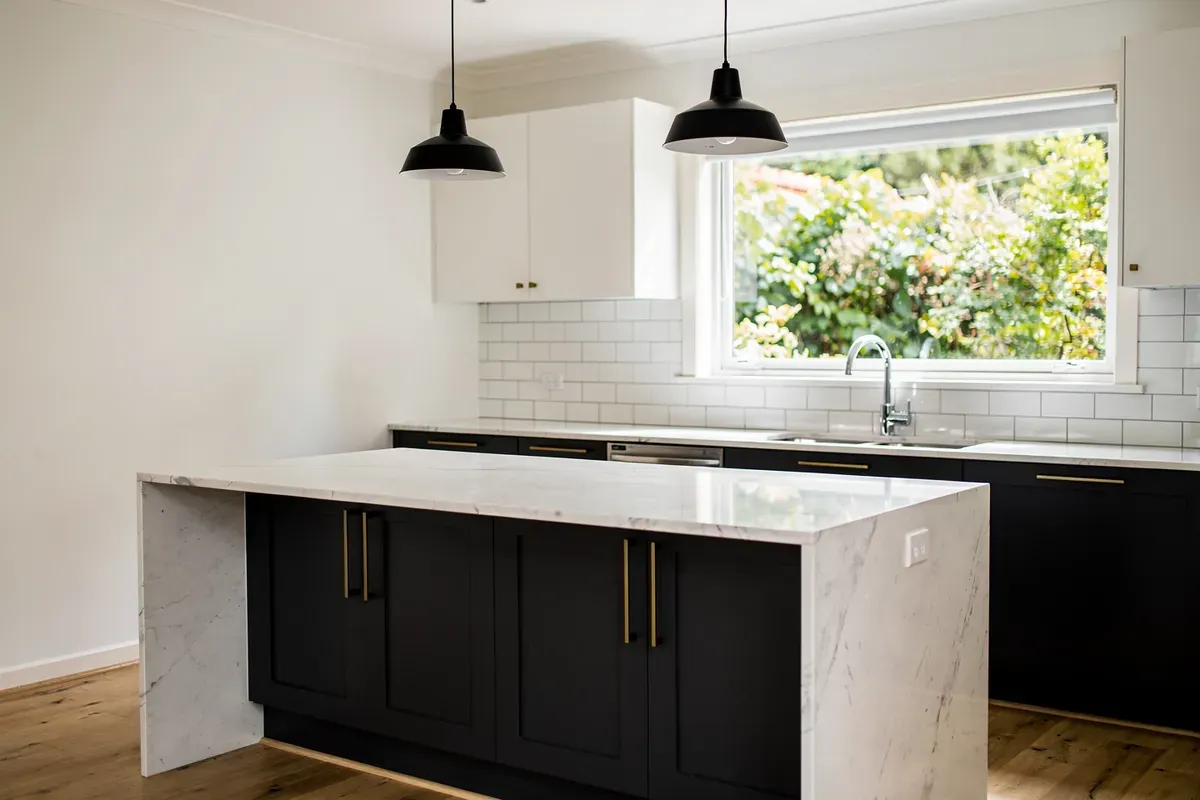
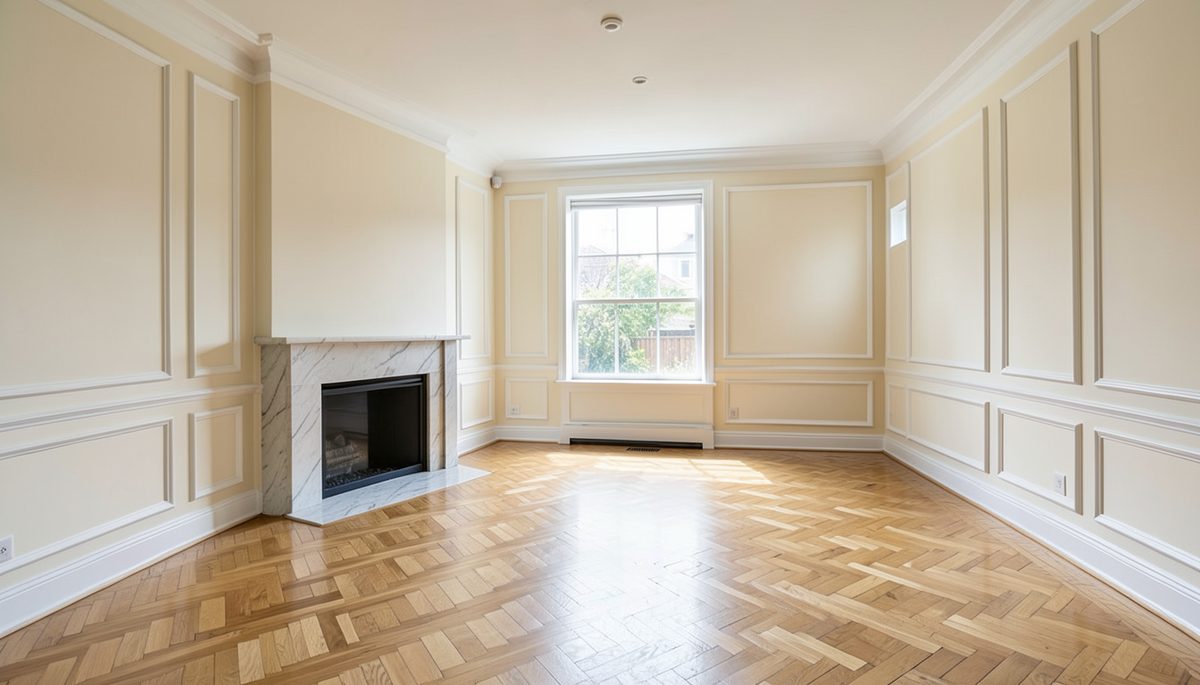
Interiors, paint in winter. Inside your home is climate-controlled. With the heating on and windows cracked for ventilation, the air is warm and dry regardless of what’s happening outside. Interior paint cures perfectly well in a heated Melbourne lounge room in July. So an interior repaint is the genuine winter bargain: you get the off-peak price and a quality finish, with no trade-off at all. If your project is interior-only, winter is unambiguously the best time to book and to paint.
Exteriors, book in winter, paint in spring or autumn. The painting itself wants the mild, dry, stable conditions of spring or autumn. But those are peak-demand seasons, so booking then means paying peak price. The clever move is to arrange the quote and secure your slot during the quiet winter window, when the painter is keen for forward work and willing to negotiate, for a job scheduled into spring or autumn. You get a sharper rate locked in early, and the work still happens when the weather is right for curing.
| Season | Price | Best for |
|---|---|---|
| Winter (Jun–Aug) | Cheapest, negotiate ~10–15% off | Interiors (climate-controlled); booking exterior slots early |
| Spring (Sep–Nov) | Peak demand, peak price | Exterior quality, mild, stable, dry curing conditions |
| Summer (Dec–Feb) | High demand, full rates | Limited, extreme heat can dry exterior paint too fast |
| Autumn (Mar–May) | Peak demand, peak price | Exterior quality, the other ideal curing window |
Key takeaway: Paint interiors in winter to save without any quality compromise; for exteriors, book the quote in the quiet winter period to negotiate a better rate, but schedule the actual work for spring or autumn when curing conditions are ideal.
Why are spring and autumn the quality sweet spot for exteriors?
Spring and autumn give exteriors mild, stable, dry weather, surface temperatures comfortably above 10°C, low humidity and gentle sun, which is exactly what paint needs to cure into a hard, long-lasting film.
In a typical Melbourne spring or autumn, daytime temperatures sit in a comfortable range, mornings aren’t drowning in dew, and you get long stretches of dry, settled days without the scorching heat of midsummer. Paint goes on, flows out evenly, and cures at a steady, healthy pace. The result is a finish that bonds properly and stands up to the years of weather it’s meant to survive.
The downside is purely commercial: everyone else knows this too. Spring and autumn are when exterior bookings peak, which is why they’re the most expensive seasons. You’re paying for the conditions. For exterior work that’s usually a price worth paying, a coat that cures properly lasts years longer, but you can soften the cost by booking ahead in winter rather than scrambling for a slot once the warm weather arrives.
Is summer a good time to paint a house in Melbourne?
Not really, Melbourne summers can be too hot for exterior painting, because paint dries too fast in extreme heat and direct sun, causing lap marks and a patchy finish.
It’s tempting to assume the hottest months are the easiest for painting, but there’s such a thing as too much heat. On a 35°C day in full sun, exterior paint can skin over before the painter has finished the wall, so each new section doesn’t blend cleanly into the last. That leaves visible overlaps known as lap marks, plus brush-drag and an uneven sheen. The paint is drying faster than it can be worked.
Professional painters manage around this by chasing the shade across a building through the day and starting early, but extreme summer heat narrows the working window considerably. Summer is also still a high-demand season, so you get the worst of both worlds: full prices and trickier conditions. For most homeowners, spring and autumn beat summer for exterior quality, and winter beats it on price for interiors.
“People assume hot weather is ideal for exterior painting, but extreme heat is as much of an enemy as cold and damp, paint that dries before you can lay it off properly will show every lap mark. Mild and stable beats hot every time.”, Modernize Solutions
How much can I actually save by painting in winter?
You can typically save around 10–15% on labour-driven pricing by booking in winter, plus the added value of a painter who has time to do a careful, unhurried job.
On a typical residential interior repaint, that 10–15% can be a meaningful sum. To work out what 10–15% off actually translates to in dollars, start from the base figures in our Melbourne house painting cost guide and apply the winter discount to your own scope. The off-peak rate also comes with a second, less obvious benefit: time. In peak season a painter is racing between jobs to satisfy a full book. In winter, with fewer jobs competing for attention, the same crew can take a more measured pace, proper preparation, full drying time between coats, careful cutting-in. A relaxed schedule tends to produce a better result.
To get the genuine winter saving rather than an empty discount, keep these in mind:
- Get the quote in writing so the negotiated price is locked, not a verbal “we’ll sort it out.”
- Be flexible on dates, flexibility is what lets a painter slot you into a gap, which is where the discount comes from.
- Confirm the scope and paint products are unchanged, so a lower price isn’t quietly buying you cheaper materials or skipped prep.
- Book exterior work for a spring/autumn date even though you’re negotiating in winter.
For a fuller breakdown of where painting money goes and how to trim it, see our guide on how to save money on house painting in Melbourne, and for typical figures, how much to budget to paint a house in Melbourne.
Does the cheapest time depend on whether it’s a big or small job?
To an extent, small interior jobs are the easiest to slot into a winter gap at a discount, while large exterior repaints are more about timing the booking than the calendar month.
A single-room or small interior repaint is exactly the kind of job a painter likes to drop into a quiet winter week, so these see the clearest off-peak discounts. A large whole-house exterior, by contrast, needs a run of suitable weather, which winter can’t reliably provide, so the saving on a big exterior job comes from booking early and securing a spring or autumn slot at a pre-agreed rate, not from painting in July.
The principle holds either way: interior = paint in winter; exterior = book in winter, paint in spring or autumn. The size of the job just changes how much flexibility you have to chase a gap.
What should I watch out for when chasing a cheap winter quote?
Watch that a low price isn’t being achieved by skipping preparation, dropping to cheaper paint, or rushing the job, a real winter saving keeps the scope identical and only changes the rate.
A genuine off-peak discount is a painter accepting a slightly thinner margin to keep busy. A fake one is a painter quietly cutting the work to hit a number. The difference shows up in the details: the same paint products named, the same number of coats, the same preparation listed, and the same warranty. If a winter quote is dramatically cheaper than everything else, ask what’s been removed rather than assuming you’ve found a bargain.
Master Painters Australia recommends comparing quotes on scope and inclusions, not headline price alone, particularly important when you’re deliberately shopping in the discount season. A cheap rate on full scope is a win; a cheap rate on reduced scope is just a smaller job.
Frequently asked questions
What is the cheapest time of year to paint a house in Melbourne?
Winter, roughly June to August, is the cheapest time to paint a house in Melbourne. Demand drops sharply once the weather cools, painters have gaps in their schedules, and you can often negotiate around 10–15% off compared with the spring and summer peak. The catch is that cold, damp Melbourne winters are poor for exterior drying.
Is winter a bad time to paint the outside of a house in Melbourne?
Often, yes. Most exterior paints need surface and air temperatures above about 10°C and dry conditions to cure properly, and Melbourne winters are cold, damp and dewy. Booking the cheap winter rate but waiting for spring or autumn to actually do exterior work is the smarter play. Interiors, by contrast, are fine in winter.
Should I paint interiors or exteriors in winter to save money?
Paint interiors in winter. Inside is climate-controlled with heating and ventilation, so the cold weather doesn’t compromise the finish, and you still get the off-peak winter price. Save exterior work for spring or autumn when the curing conditions are right, but lock the quote in early during the quiet winter period to secure a better rate.
Is spring or autumn cheaper for exterior painting in Melbourne?
Neither is cheap, spring and autumn are the quality sweet spot for exteriors, so they are also peak demand and peak price. The way to save on exterior work is to book during the quiet winter period for a spring or autumn slot, locking in a lower rate before the calendar fills up. The conditions stay ideal and you avoid peak pricing.
Rather have a professional handle it?
Free on-site inspection and a fixed-price written quote, no obligation. Painting Melbourne homes since 1987.
Related service: Exterior Painting.
We paint across Richmond, Williamstown, Yarraville, Newport, Moonee Ponds, Ascot Vale and more — see our painting services in Altona, or the house painters in Melbourne families have trusted since 1987.