The most legitimate ways to save money on house painting in Melbourne are to book in the off-peak winter season (June–August) for around 10–15% off, do your own safe prep to cut paid labour, bundle multiple rooms or interior-plus-exterior into one job, choose a lighter colour close to your existing shade, and get at least three written quotes on identical scope, none of which sacrifice quality. According to Consumer Affairs Victoria, comparing several written quotes on the same scope is the surest way to know you’re paying a fair market price rather than an outlier.
We’ve been painting Melbourne homes for more than three decades, since 1987, and completed over 1,000 residential projects. In that time we’ve seen every false economy going, and every smart, honest way to bring a painting bill down. This guide separates the two, so you save money without ending up with paint that fails in two years.
When is the cheapest time of year to paint in Melbourne?
Melbourne winter, June to August, is usually the cheapest time, because painters are quieter and you can often save around 10–15% on the same job.
Painting demand in Melbourne spikes in spring and summer, when everyone wants their home looking sharp for Christmas and the warmer months. That rush pushes prices up and books painters out for weeks. In the cooler months, the diaries thin out and painters are more willing to sharpen a quote to keep the team working.
Interior painting runs comfortably year-round, your home is climate-controlled, so the cold and rain outside don’t affect a bedroom or lounge being painted. That makes winter the ideal window for interior work at a better rate. Exterior work is more weather-dependent, but Melbourne gets plenty of dry winter days suitable for it, and you’ll often book sooner because painters are less stretched.
Key takeaway: If your job is interior or can wait, booking in winter (June–August) is the single easiest way to save roughly 10–15% without changing a thing about the quality of the work.
How much can I save by doing my own prep?
Doing safe prep yourself directly cuts the most expensive part of any quote, labour, which is typically 60–70% of the total.
A painting quote isn’t mostly paint. The paint is a fraction of the cost; the bulk is the painter’s time. So every hour of work you take off their plate is an hour you don’t pay for. The prep tasks that are genuinely safe for a homeowner to do are:
- Move and cover furniture, clear the rooms and drape what’s left in old sheets or plastic.
- Take down curtains, blinds, and fittings, anything that has to come off the wall.
- Remove switch plates and power-point covers, a screwdriver and ten minutes a room.
- Patch minor holes and small dents, a tub of filler from any hardware store handles picture-hook holes and small scuffs.
- Wash down greasy or dusty walls, especially in kitchens and hallways.
Done across a whole house, this can save the painters several hours, and that saving comes straight off the labour line. It’s the most controllable saving available to you.
A word of caution: do the safe prep only. Sanding back failing paint, repairing water damage, filling large cracks, or anything involving ladders, height, or lead-era paint is work for professionals. Get that wrong and you’ll pay more to fix it.
“The single biggest saving a homeowner controls is prep. If you clear the rooms, take down the fittings, and patch the little holes yourself, you’ve shaved real hours off our labour, and labour is most of the bill.”, Modernize Solutions, painting Melbourne homes since 1987
Does bundling work together save money?
Yes, combining interior and exterior, or several rooms, into one job earns a better rate than separate call-outs because the setup and travel are shared.
Every job carries fixed overheads: travelling to your home, setting up drop sheets and gear, masking, and packing down at the end. When a painter does one room and leaves, those overheads are spread across one room. When they do five rooms in one visit, the same setup is spread across five, so the per-room cost falls.
The same logic applies to doing your interior and exterior together, or knocking out a list of jobs you’ve been putting off in a single booking. You’re not paying for two lots of mobilisation, two lots of setup, and two separate scheduling slots.
Key takeaway: If you know you’ll want the hallway, the bedrooms, and the exterior done eventually, doing them in one booking almost always beats spacing them out, you only pay the setup and travel once.
How does paint colour affect the price?
Choosing a lighter, neutral colour close to your existing one needs fewer coats, while a dramatic dark-to-light change can add $800–$1,500 to the job.
Colour isn’t just an aesthetic choice, it has a direct cost. Going from a dark wall to a pale one (or covering a bold accent colour) often needs an extra coat or two, sometimes a tinted undercoat as well, to stop the old colour grinning through. That’s more paint and, more importantly, more labour.
Staying near your current shade, or picking a soft neutral, usually means the standard two coats cover cleanly. If your budget is tight, that’s an easy place to save without compromising anything that matters for durability. Dulux Australia offers extensive neutral and off-white ranges that suit Melbourne homes and minimise the number of coats required.
This is purely about colour change, not paint quality. You are not saving by buying cheaper paint, you’re saving by choosing a colour that the same premium paint can cover in fewer coats.
Why should I get three written quotes?
Three written quotes on identical scope let you spot a fair market price rather than overpaying an outlier or being lured by a corner-cutter.
A single quote tells you nothing about whether it’s fair. Three quotes, all priced against the same written scope, reveal the market range, and where any one quote sits unusually high or unusually low. The high outlier you can walk away from; the suspiciously low one usually means prep, coats, or paint quality has been quietly stripped out.
Consumer Affairs Victoria advises homeowners to obtain multiple written quotes and to make sure each one covers the same work, so you’re comparing like with like. The key word is identical scope: if one painter quotes two coats and another three, or one includes sanding and another doesn’t, the numbers aren’t comparable.
For a sense of the going rates in Australia, the Airtasker house painting cost guide publishes typical per-square-metre and per-room figures you can sanity-check your quotes against.
Key takeaway: The cheapest quote is rarely the best value. Use three quotes to find the fair price, then choose on prep detail, coat count, paint products, and warranty, not the lowest headline number.
Can I paint part of the house myself and hire pros for the rest?
Yes, a sensible split is to paint the easy, low, accessible areas yourself and hire professionals for the high, exterior, and detailed work.
If money is genuinely tight, you don’t have to choose between full DIY and full professional. A practical middle ground is to take on the simple, ground-level interior work, a spare bedroom, a feature wall, a hallway you can reach safely, and bring in painters for the parts where skill and safety matter most:
- Exterior and anything at height, ladders, two-storey walls, gutters and fascias.
- Ceilings, awkward, tiring, and easy to make a mess of.
- Detailed cutting-in, trim, doors, and windows, where a wobbly line shows.
- Any surface needing real prep, failing paint, damp, or structural cracks.
This keeps the professional invoice focused on the work that genuinely needs a professional, while you handle the straightforward bits. Be honest with yourself about your skill and the time involved, a botched DIY room that a painter then has to strip and redo costs more than just hiring it done in the first place. See our DIY vs professional painting guide for Melbourne before you commit.
What should I never cut to save money?
Never skip preparation or coats, and never swap a premium paint system for cheap paint, these are false economies that peel within 2–3 years and cost more to redo.
This is the most important section in the guide, because cutting these is how people think they’re saving money and actually lose it. Three things must stay non-negotiable:
- Preparation. Sanding, filling, cleaning, and priming are what make paint stick and stay. Skip them and the finish fails early, no matter how good the paint.
- Number of coats. Two coats is the standard for a reason. A single skinny coat looks patchy, wears through fast, and ends up needing a full repaint sooner.
- Paint quality. A premium system like Dulux is engineered to last and to handle Melbourne’s swings between cold, wet winters and harsh summer sun. Cheap paint covers worse, fades faster, and washes off.
Master Painters Australia emphasises that proper surface preparation and a quality coating system are the foundation of a durable result, the parts you cannot see are what make the parts you can see last.
The maths is simple. A job cut on prep, coats, or paint might save you a few hundred dollars today and then fail in two to three years, forcing a full repaint. Done properly the first time, a quality job comfortably lasts the length of a proper warranty and beyond. Cutting these isn’t saving, it’s borrowing the cost back with interest.
“The corners that cost you nothing to cut are the ones you can’t see, prep and coats. So that’s exactly where the cheap operators cut. We’d rather quote honestly and have the job still looking right in five years.”, Modernize Solutions
What are the legitimate savings at a glance?
The table below summarises the genuine ways to bring a Melbourne painting bill down, the typical saving, and the catch to watch for.
| Saving tactic | Typical saving | Catch / condition |
|---|---|---|
| Book off-peak (winter, Jun–Aug) | ~10–15% on the same job | Best for interior or weather-flexible work |
| Do your own safe prep | Several hours of labour (60–70% of the quote) | Only safe tasks, no height, sanding, or damp |
| Bundle rooms / interior + exterior | Better per-room rate | You need the work done around the same time |
| Choose a lighter, near-existing colour | Avoids $800–$1,500 in extra coats | Applies to colour change only, not paint grade |
| Get 3 written quotes, identical scope | Avoids overpaying an outlier | Scope must match exactly to compare fairly |
| DIY easy areas, pros for the rest | Cuts the professional invoice | Be honest about skill; redone work costs more |
| Cheap paint instead of premium | (False economy) | Peels in 2–3 years, costs more to redo |
| Skipping prep or coats | (False economy) | Early failure and full repaint sooner |
How do I tell a genuine saving from a false economy?
A genuine saving reduces what you pay without touching prep, coats, or paint quality; a false economy lowers the price by quietly removing one of those three.
The test is simple. Ask of any “saving”: does this change the durability of the finished job? If the answer is no, you painted in winter, you cleared the rooms yourself, you picked a neutral colour, you bundled the work, then it’s a genuine saving and you should take it. If the answer is yes, fewer coats, no sanding, a cheaper tin of paint, then you’re not saving money, you’re deferring a bigger bill.
When you read your quotes, the false economies hide in the detail: “prep included” with no specifics, “premium paint” with no product named, or no coat count at all. A quote that spells out the prep tasks, names the Dulux products, and states two coats is one you can trust, and trust is what protects your money.
Key takeaway: Save on timing, labour you can do yourself, colour, and bundling. Never save on prep, coats, or paint. The first group lowers cost without lowering quality; the second only looks cheaper until the paint fails.
How do you book a quote with Modernize Solutions?
Call 0433 803 841 for a thorough on-site assessment and a detailed written quote from a family-owned team that will show you exactly where you can genuinely save, and where you shouldn’t.
We’re happy to talk you through the honest savings on your specific job: whether winter timing suits it, what prep you can safely do yourself, whether bundling rooms makes sense, and which Dulux colours keep your coat count down. You can get a free quote from a Melbourne painter online to start. We’d rather you save money the right way than be tempted by a quote that’s only cheaper because it’s cutting corners you can’t see.
Modernize Solutions has been painting Melbourne homes since 1987, more than three decades and over 1,000 residential projects. We carry $20M public liability insurance, use Dulux premium paint systems exclusively, and back our work with a workmanship guarantee, any issue with our work is fixed at no cost. We hold a 5.0-star Google rating, and the owner personally conducts every quote. Call us on 0433 803 841.
Frequently asked questions
What is the cheapest time of year to get a house painted in Melbourne?
Melbourne winter, June to August, is usually the cheapest time. Painters are quieter in the cooler months, so you can often save around 10–15% on the same job compared with the spring and summer rush. Interior work runs comfortably year-round, so winter is ideal for it. At Modernize Solutions we book winter interior jobs gladly.
How much can I save by doing my own prep before the painters arrive?
Doing safe prep yourself directly cuts labour, which is 60–70% of most painting quotes. Moving and covering furniture, taking down curtains and fittings, removing switch plates, and patching minor holes can save several hours of paid labour. Every hour you save the painter is an hour you don’t pay for, so the saving is real and immediate.
Is the cheapest painting quote the best value?
No. The cheapest quote is often the one cutting preparation, coats, or paint quality, false economies that peel within 2–3 years and cost more to redo. Get at least three written quotes on identical scope so you can spot a fair market price rather than an outlier, then weigh prep, coats, and warranty, not just the headline number.
Can I save money by choosing a particular paint colour?
Yes. Choosing a lighter, neutral colour close to your existing one usually needs fewer coats, while a dramatic dark-to-light change can add $800–$1,500 in extra coats and labour. If budget matters, stay near your current shade. Never switch to cheap paint to save money, a premium system lasts far longer and costs less over time.
Rather have a professional handle it?
Free on-site inspection and a fixed-price written quote, no obligation. Painting Melbourne homes since 1987.
Related service: Interior Painting
Walls, ceilings, doors and trim painted room by room, with full prep and Dulux finishes.
Learn more about our Interior Painting service →Painters in Newport
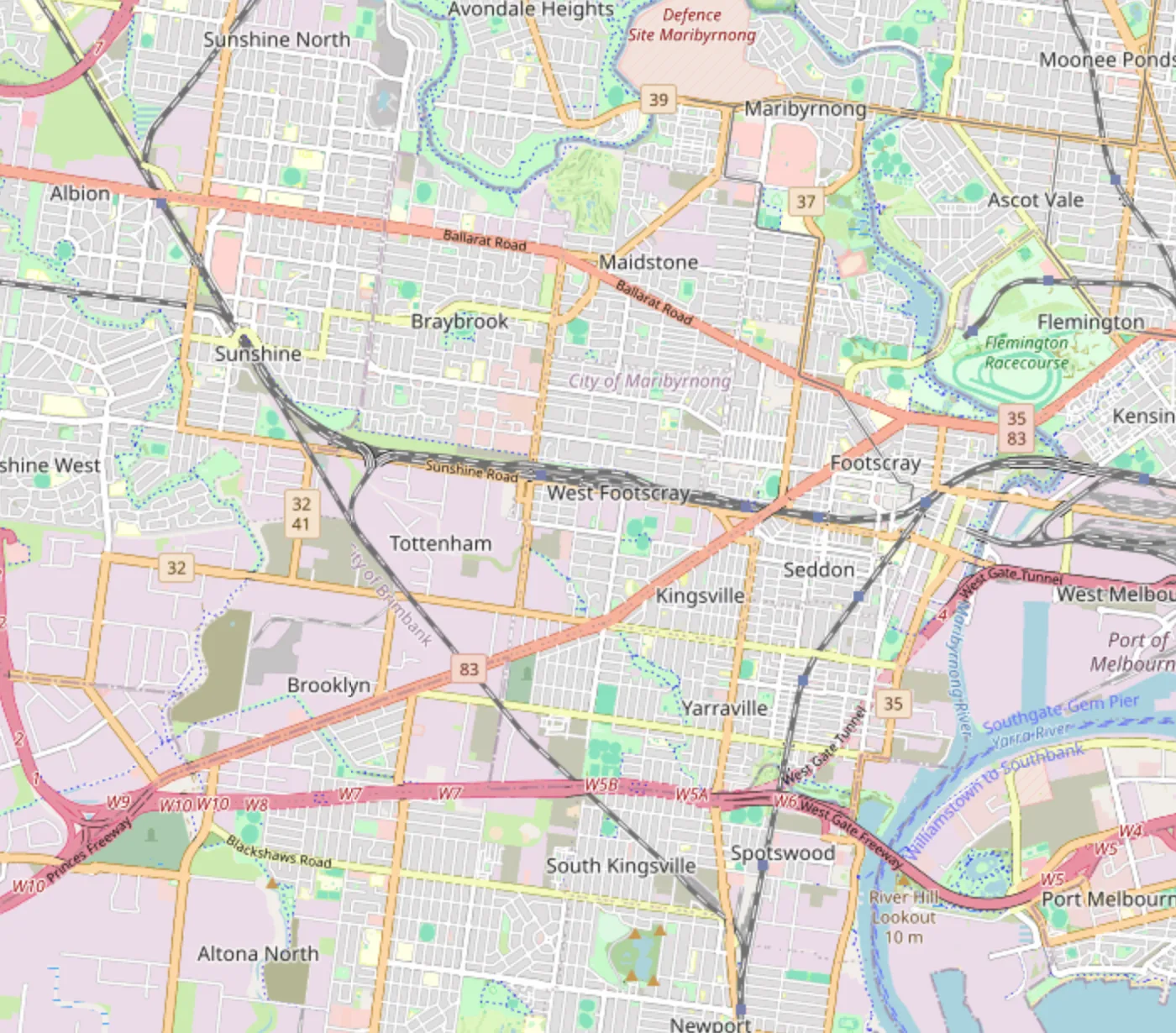
Painters in Newport 3015. Period weatherboards protected with coastal-rated Dulux, since 1987. $20M insured, 5.0 star reviews, free quotes.
Painting services in Newport →Painters in your area
Right across the city, we are the house painters in Melbourne families have trusted since 1987.

Owner & Lead Painter, Modernize Solutions · Painting Melbourne homes since 1987