Last updated: 3 July 2026
Primer is the preparation coat that goes on before paint. It grips bare surfaces, seals stains and evens out porous patches so the colour coats bond properly and look uniform. You need it in five situations: bare surfaces (new plaster, timber, metal), stains that will bleed through, glossy oil-based enamel, a big colour change, and old chalky paint. A 4L can of Dulux 1 Step Prep costs about $80 at Bunnings and primes 40 to 55 square metres in one coat. On clean, sound, previously painted walls staying a similar colour, you can skip it, that’s the one place “paint and primer in one” claims are honest.
Key takeaway
Prime anything bare, stained, glossy or chalky. Skip primer only on sound, clean, previously painted surfaces staying a similar colour. Paint-and-primer-in-one is premium paint, not primer: fine on painted walls, useless on bare timber and stains.
What is primer paint?
Primer is a preparation coat engineered for adhesion and sealing, not looks. It is high in the binder resins that grip a surface and low in the pigments that give paint its colour. It does three jobs the colour coat can’t: it bonds to surfaces paint won’t grip (raw timber, metal, glossy enamel), it seals porous or stained areas so the topcoat dries evenly and stays clean, and it builds a uniform base so the finished colour looks consistent wall to wall.
The terms overlap in Australia because most trade products combine roles. Dulux 1 Step Prep is a primer, sealer and undercoat in one can, and it’s the workhorse on most of our interior jobs. The distinction that still matters: primer grips bare surfaces, sealer evens porosity, undercoat hides the old colour. If a tin says “primer sealer undercoat” or “prep coat”, it’s the same family of product.
What is the difference between primer and paint?
Primer contains bonding resins; paint contains pigments. Primer sticks and seals, paint colours and protects, and neither can do the other’s job. Topcoat paint is engineered for colour, washability and UV resistance. Asking it to also bond to raw timber or block a water stain is how paint jobs fail early.
| Primer | Paint (topcoat) | |
|---|---|---|
| Main ingredient | Adhesive resins | Colour pigments |
| Job | Grip the surface, seal stains and porosity | Colour, washability, UV and weather resistance |
| Finish | Flat, chalky, not meant to be seen | Matt, low sheen, satin or gloss |
| Coats needed | Usually 1 | Usually 2 |
| Typical price | $18 to $35 per litre | $25 to $50 per litre |
The standard system on nearly every professional job is one coat of primer where it’s needed, then two topcoats. Skipping the primer to save $80 on a can risks redoing the whole room when the topcoat peels or the stain ghosts back through.
When do you need primer? (and when you don’t)
Prime anything bare, stained, glossy or chalky; skip primer only on sound, previously painted surfaces staying a similar colour. The full decision table:
| Situation | Primer needed? | What to use |
|---|---|---|
| New plaster or plasterboard | Yes, always | Acrylic sealer undercoat (e.g. Dulux 1 Step Prep) |
| Bare timber (new or sanded back) | Yes, always | Wood primer; oil-based on tannin-rich timber |
| Water stains, smoke, texta, crayon | Yes | Stain-blocking primer (shellac or oil-based) |
| Old oil-based enamel going to water-based | Yes | Adhesion primer after sanding |
| Dark colour to light colour | Yes | Tinted undercoat, saves a third topcoat |
| Old chalky, powdery paint | Yes | Binding sealer to lock down the surface |
| Bare metal, galvanised gutters | Yes | Etch or metal primer |
| Sound painted wall, similar colour | No | Two coats of quality topcoat is enough |
That last row is the honest exception, and it’s most repaints of well-maintained interiors. Everything else on the list, skipping primer means the failure just takes a season or two to show up, usually as peeling or stains ghosting through the new white ceiling.
What are the different types of primer?
There are three families: water-based acrylic (the everyday choice), oil-based (stains, tannins and old enamel), and shellac (the heavy-duty option for bad stains and odours). American guides call the water-based ones “latex primer”; on Australian shelves the same product is labelled acrylic or water-based. Typical Melbourne shelf prices in 2026:
| Type | Best for | Example product | Typical price |
|---|---|---|---|
| Acrylic primer sealer undercoat | New plaster, patched walls, most interior prep | Dulux 1 Step Prep 4L | About $80 |
| Water-based universal/adhesion primer | Glossy paint, laminate, tricky surfaces | Zinsser Bulls Eye 1-2-3 4L | $90 to $110 |
| Trade acrylic prep coat | Volume interior work, rentals, pre-sale repaints | Haymes Ultratrade Prepcoat 4L | $70 to $90 |
| Oil-based stain-blocking primer | Water stains, tannin timbers, old enamel | Zinsser Cover Stain 3.78L | $100 to $120 |
| Shellac-based primer | Heavy stains, smoke damage, odours, texta | Zinsser B-I-N 3.78L | $130 to $150 |
For nine jobs out of ten inside a Melbourne home, the acrylic primer sealer undercoat is the right pick: low odour, water clean-up, flexible enough to move with plasterboard. The oil and shellac products earn their higher price only when something needs sealing in, which is the next section.
When do you need an oil-based primer?
When the problem is bleed-through: stains, tannins and old enamel. Water-based primers keep improving, but three jobs still call for oil (or shellac) based products:
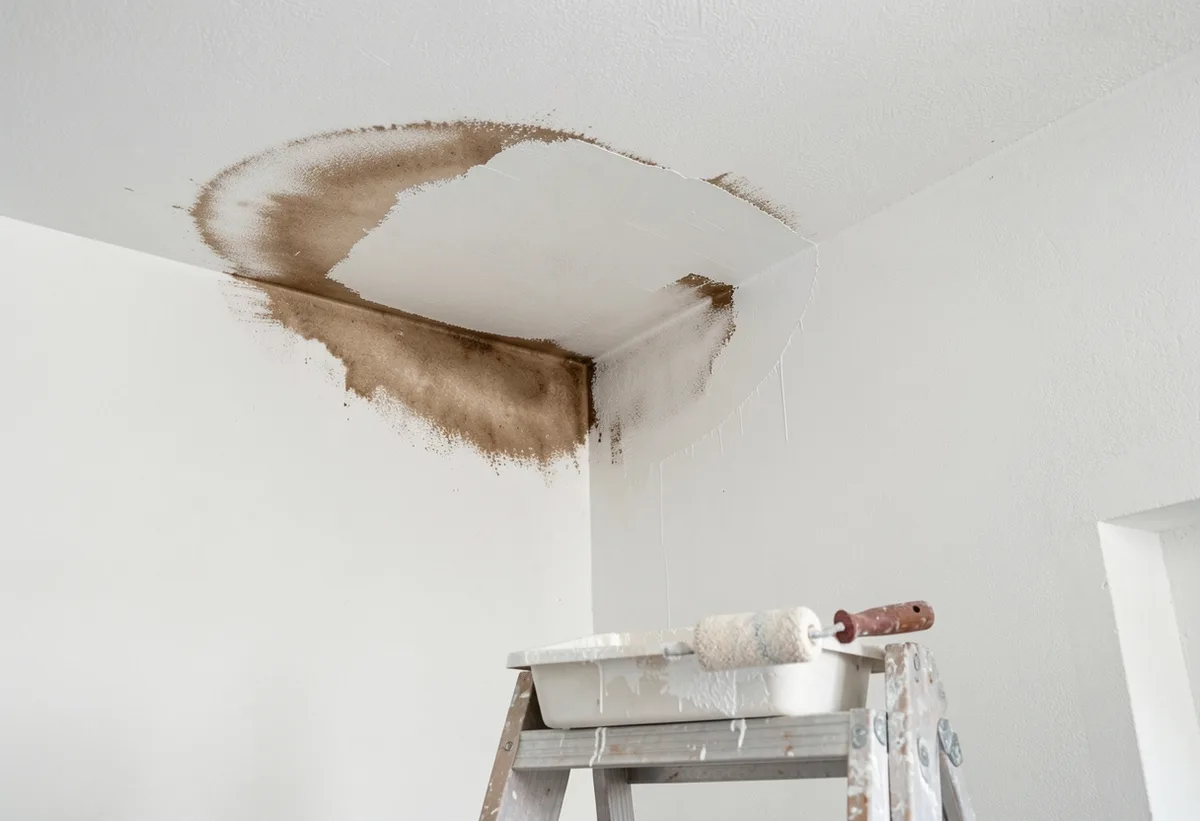
- Stain blocking. Water stains on ceilings, smoke damage, marker pen: all dissolve into and bleed through acrylic paint. An oil or shellac-based stain blocker seals them permanently. Painting over a water stain without one is a guaranteed callback, the brown ring reappears within weeks.
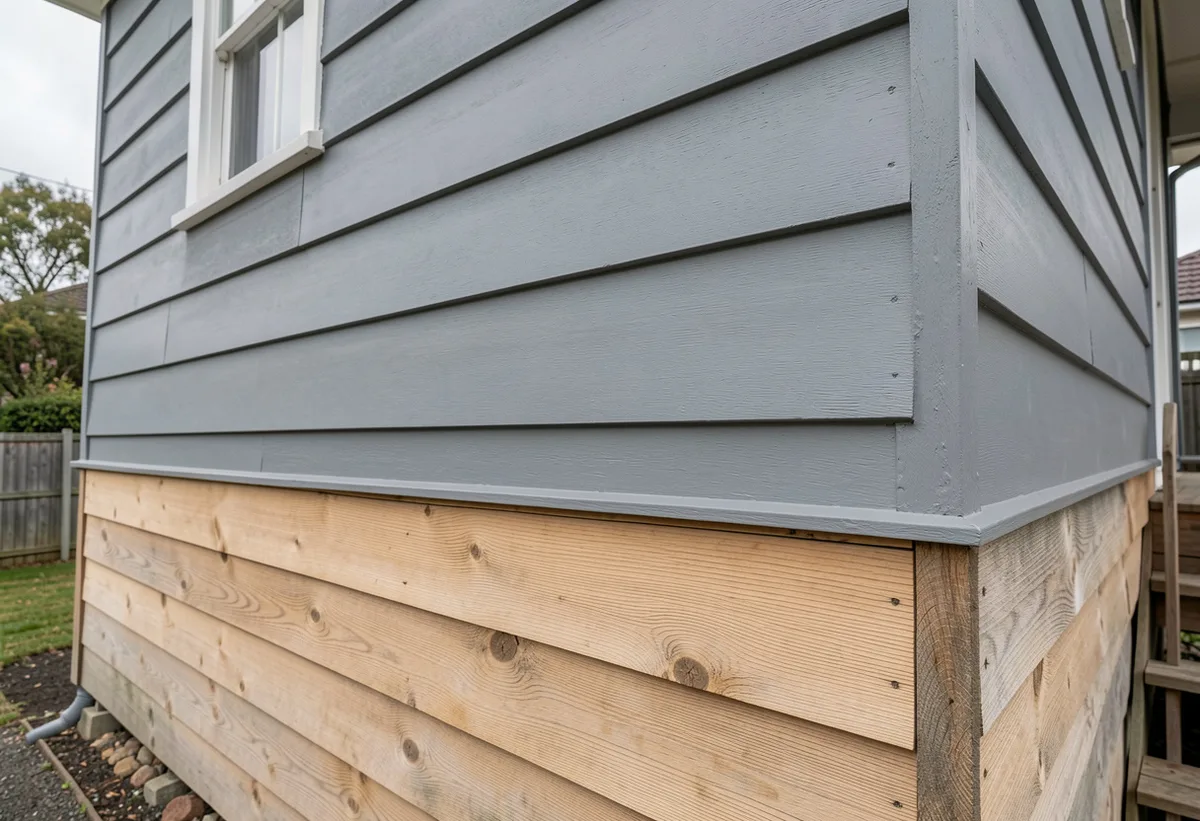
- Tannin-rich timber. Merbau, western red cedar and some hardwoods common on Melbourne decks, fascias and window frames leach tannins that turn white acrylic paint brown. Oil-based primer locks the tannins in.
- Adhesion to old enamel. Before switching trim last painted in oil enamel before the mid-1990s to modern water-based enamel, after a thorough sand, see our water-based vs oil-based enamel guide for the full process.
One Melbourne-specific caution: sanding back old layers in pre-1970 homes can expose lead paint. Test first, and use lead-safe practices if positive.
Is “paint and primer in one” actually primer?
No. It’s premium paint with higher solids, marketed on its coverage. On a sound, previously painted wall it genuinely can hide the old colour in two coats where a budget paint needs three, and on that surface it’s a fine product. But it has no special adhesion chemistry, no stain-blocking resin, and no ability to seal porous plaster. Put it straight onto bare timber, a water stain or glossy enamel and it fails exactly like ordinary paint, you’ve just paid more per litre on the way to the failure.
The professional rule is boring and reliable: match the primer to the problem, then use a quality topcoat. Two products doing their own jobs beat one product claiming both.
How much primer do you need?
Budget one litre of primer per 10 to 14 square metres, per coat. The Dulux 1 Step Prep TDS quotes up to 14 square metres a litre on smooth sealed surfaces; porous new plaster drinks more, so plan on closer to 10. That puts a 4L can at 40 to 55 square metres of coverage.
In practice: a standard 3.6 by 3.6 metre Melbourne bedroom with 2.4 metre ceilings has roughly 30 to 33 square metres of wall, so one 4L can primes the room with plenty spare. A full three-bedroom interior needing an all-over prime coat (new plaster or a full colour change) typically uses 10 to 15 litres. Don’t stretch primer thin on porous surfaces to make the can last, a starved prime coat seals nothing.
How many coats of primer do you need?
One coat of primer is enough on most surfaces. Use two on very porous new plaster, heavy stains, and dark-to-light colour changes. A second coat of tinted undercoat over a dark feature wall is cheaper than a third coat of premium topcoat, which is why painters do it that way.
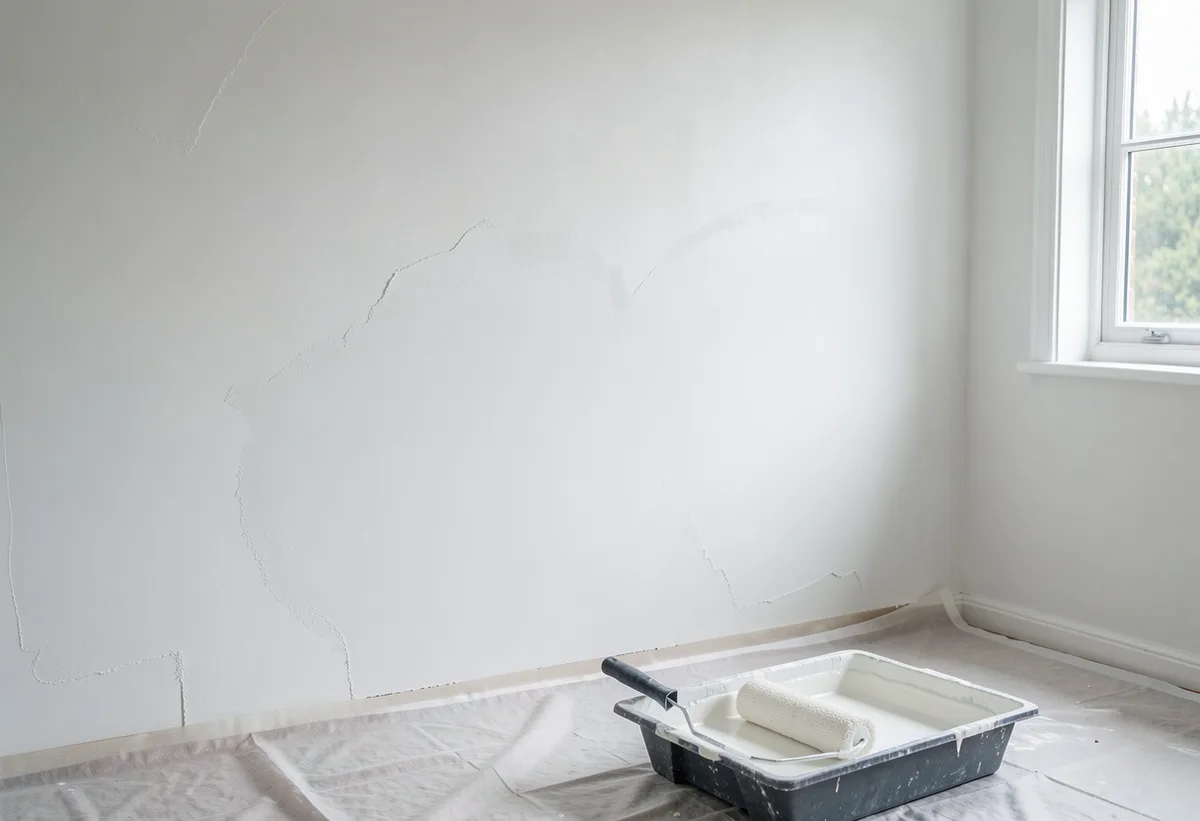
Two trade habits worth copying. First, wash the surface with sugar soap before priming; primer bonds to the wall, not to the grease on it. Second, give primed doors and trim a light nib sand with 180 to 240 grit paper before the topcoat, because primer raises timber grain and dries slightly rough. Dust off, then paint.
How long does primer take to dry?
Most water-based primers are touch dry in about 30 minutes and ready to recoat in 2 hours. Shellac is faster, traditional oil-based products need overnight. Manufacturer recoat times from the product data sheets:
| Primer | Touch dry | Ready to topcoat |
|---|---|---|
| Dulux 1 Step Prep (acrylic) | 30 minutes | 2 hours |
| Zinsser B-I-N (shellac) | 20 minutes | 45 minutes |
| Zinsser Cover Stain (fast-dry oil) | 35 minutes | 2 hours |
| Traditional oil-based undercoat | 2 to 4 hours | 16 to 24 hours |
Those figures assume around 25 degrees and moderate humidity. On a damp Melbourne winter day the real times stretch well past the tin, and water-based products shouldn’t go on below 10 degrees at all. Outside, stop priming by mid-afternoon in winter so the coat cures before the evening dew lands on it.
What happens if you skip primer?
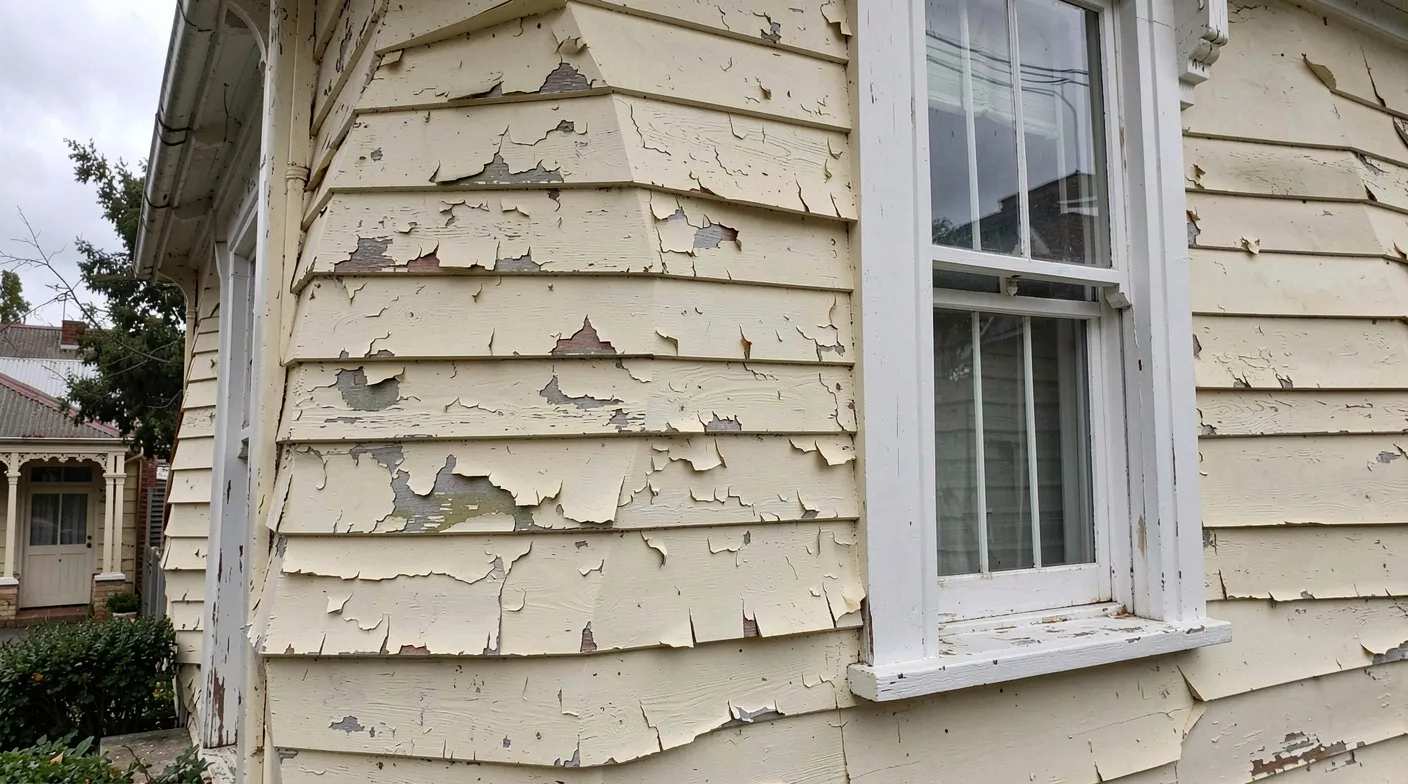
The four failures we get called to fix, in order of frequency in Melbourne homes: peeling (paint never bonded, most common on old enamel and bare patches from repairs), stains ghosting through (water marks reappearing through new ceiling paint), flashing (patchy sheen where filler and plaster repairs absorbed the topcoat differently, very visible in low afternoon light), and colour bleed (tannin browning on white-painted timber outside).
None of these can be fixed with more topcoat. Each means going back, doing the priming that was skipped, and repainting, which is why preparation takes 60-70% of a painter’s time on the job. Our guide to preparing walls for painting covers the full sequence, and our plaster preparation service handles the repair-heavy end of it.
Priming is where a repaint is won or lost
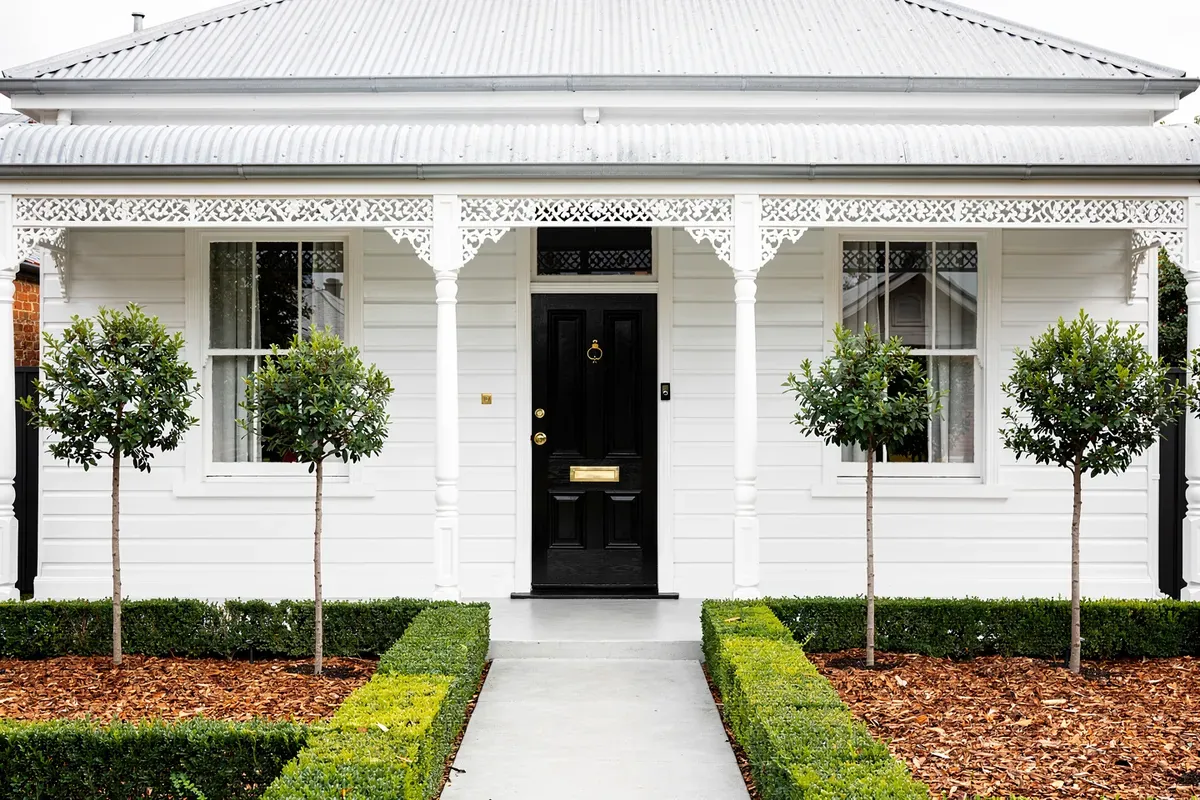
On weatherboards especially, primer decides whether the exterior lasts ten years or three, the weatherboard repainting guide shows where it fits in the full process. Modernize Solutions has been priming and painting Melbourne homes since 1987, with an in-house team that never subcontracts and $20M public liability insurance.
Not sure what your surfaces need?
Free on-site inspection across Melbourne. We check every surface and quote the preparation honestly.
Rather have a professional handle it?
Free on-site inspection and a fixed-price written quote, no obligation. Painting Melbourne homes since 1987.
Related service: House painting in Braybrook.
We paint across Albion, Ardeer, Footscray, Brunswick, Essendon, Richmond and more, see our painting services in Williamstown, or the house painters in Melbourne families have trusted since 1987.