Last updated: 6 July 2026
Paint peels off walls and ceilings when the paint film loses its grip on the surface, and the cause is almost always one of four things: moisture behind the paint, a dirty or unprepared surface, incompatible paint layers, or old age. To fix peeling paint, scrape off everything loose, sand the edges smooth with 120-grit sandpaper, clean the surface, prime the bare patches with a quality primer, and recoat once fully dry. Modernize Solutions repairs peeling paint across Melbourne homes every week, most often in bathrooms, laundries and older properties in the inner and western suburbs.
Key takeaway
Never paint over peeling paint. Scrape all loose material, sand the edges, prime bare patches, then recoat. And find the moisture source first: if damp caused the peeling, repainting without fixing it means the new coat peels too.
Why is the paint peeling off my walls?
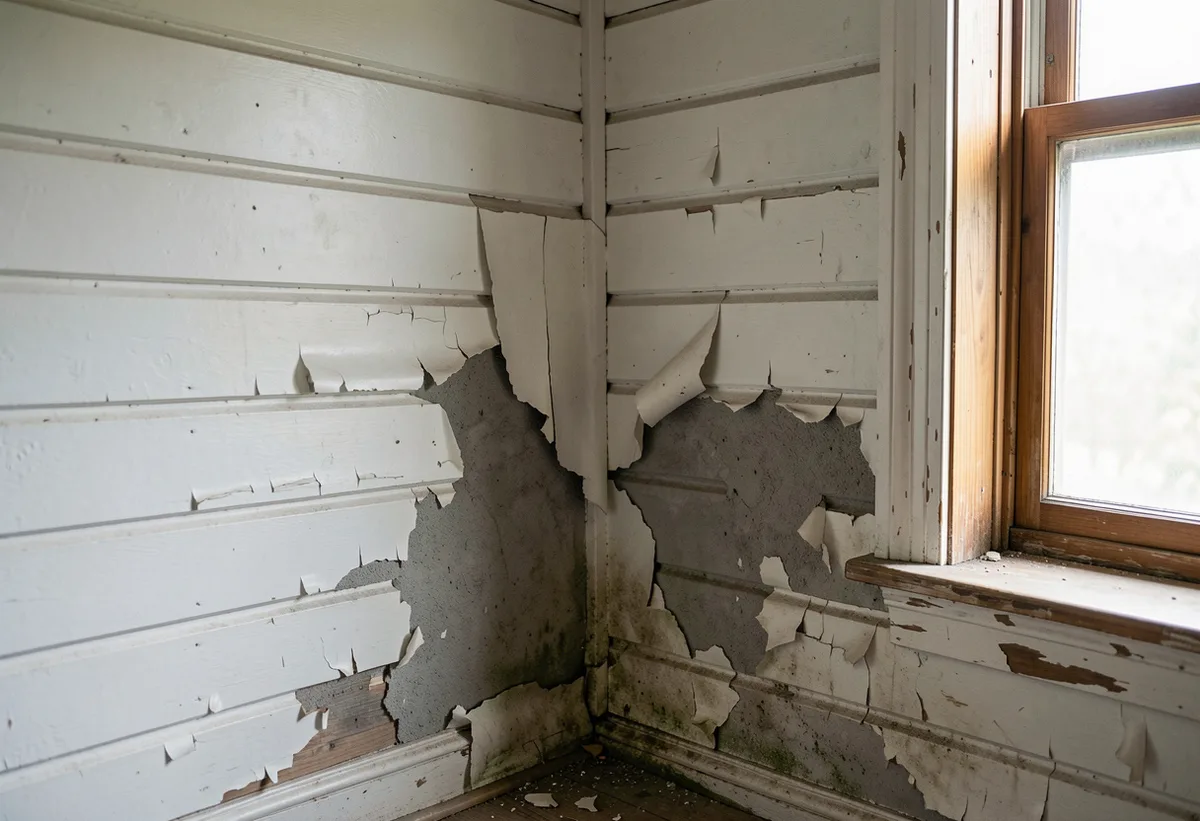
Paint peels for four main reasons: moisture behind the film, a contaminated or glossy surface the paint never bonded to, incompatible layers (water-based over oil-based without primer), and age. Working out which one you have decides the fix:
| Cause | What it looks like | The tell |
|---|---|---|
| Moisture | Peeling in sheets, often with staining or a musty smell | Concentrated near bathrooms, windows, ceilings below the roof, or low on walls (rising damp) |
| Poor preparation | Paint flakes off cleanly, exposing a shiny or dusty old surface | Peels in whole flakes with crisp edges, often soon after repainting |
| Incompatible layers | New paint lifts off the old coat in rubbery strips | Common in older homes where acrylic was rolled straight over oil-based enamel |
| Age | Brittle, cracked flakes across large areas | The paint is decades old and chalky to the touch |
Melbourne’s climate makes moisture the front-runner. Average morning humidity ranges up to 72% and exceeds 80% in winter, so poorly ventilated bathrooms and laundries hold enough water vapour to break paint adhesion over time. In pre-war homes across the inner and western suburbs, rising damp in solid brick walls does the same job from below.
Can you paint over peeling paint?
No. New paint bonds to whatever is underneath it, and if what’s underneath is a failing layer, the new coat fails with it, usually within months. The loose paint is dead surface: it has to come off before anything new goes on. This is the same rule that applies to bubbling and blistering paint, which is often the earlier stage of the same failure.
How do you fix peeling paint step by step?
- Check for lead first (pre-1970 homes). Any Australian home painted before 1970 likely has lead paint in its older layers. Don’t dry-sand it. Use a lead test kit before starting, and if it’s positive, use wet-sanding and lead-safe cleanup or bring in a professional.
- Find and fix the moisture source. Press the peeling area: if it’s damp, trace the cause (leaking pipe, roof, gutter, bathroom steam, rising damp) and fix that first. Repainting over live damp guarantees repeat failure.
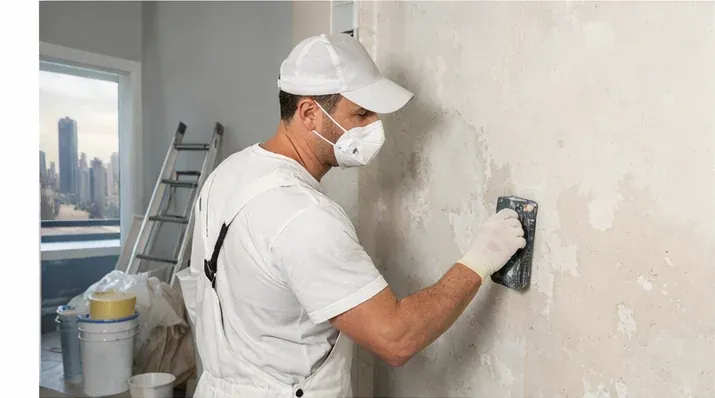
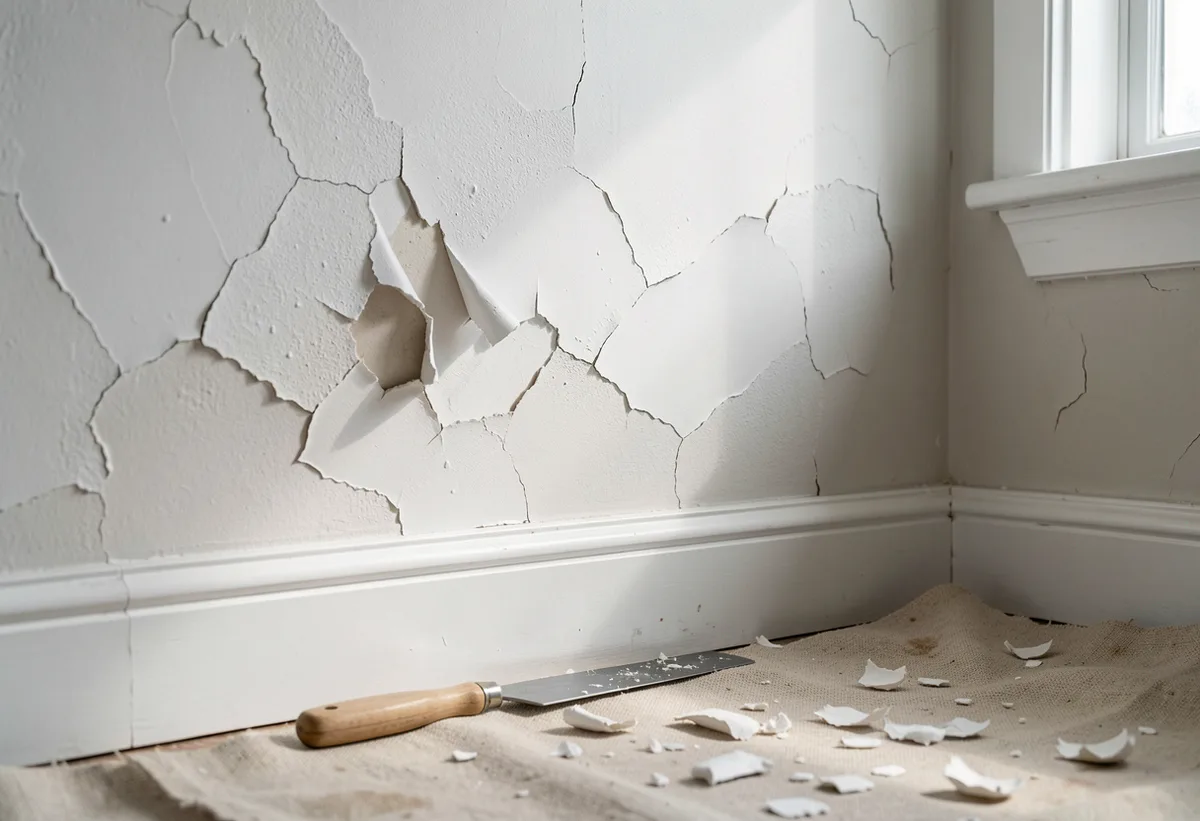
- Scrape off all loose paint. Use a flexible filling knife and remove everything that comes away without force. If it lifts, it was going to fail anyway.
- Sand the edges feather-smooth. 120-grit sandpaper on the hard edges where old paint meets bare surface, until you can’t feel a ridge under your fingers.
- Fill and clean. Fill any gouges with filler, sand flush, then wash the area with sugar soap and let it dry completely.
- Prime the repair area. A quality bonding or stain-blocking primer over the whole repair zone, not just the bare spots. On previously oil-painted surfaces, a universal primer is what stops the next coat peeling, see our paint and primer guide for which one to use where.
- Recoat in dry conditions. Two thin coats with full drying time between them, with the room ventilated and humidity as low as you can get it.
How do you fix peeling paint on a ceiling?
Same process, but the moisture check matters even more, because ceiling peeling is almost always water from above. Check the roof space over the affected area for leaks, cracked tiles or condensation before repainting. Bathroom ceilings peel from steam: repaint with a mould-resistant ceiling paint and run the exhaust fan during and after every shower. Our ceiling painting guide covers the full job.
When peeling paint means a bigger problem
Widespread peeling across multiple rooms, or peeling that returns after a proper repair, points to a building problem rather than a paint problem. The usual suspects in Melbourne homes:
- Rising damp in solid-brick period homes: peeling and bubbling low on ground-floor walls, often with a white salty deposit. Needs a damp course assessment, not just paint.
- Failed old coatings: homes with many decades of paint layers reach a point where the whole stack delaminates. The fix is stripping back to a sound surface, which is a preparation job measured in days, not hours.
- Lead paint: peeling pre-1970 paint is a health hazard as well as a cosmetic one. According to the Australian Bureau of Statistics, roughly 30% of Melbourne’s housing stock predates 1970, so this is common, not rare.
In three decades of repainting Melbourne homes, the pattern is consistent: complete removal of failed paint and proper priming decide whether a repaint lasts. That’s also why quotes for older homes vary so much: the preparation is the job.
Peeling keeps coming back?
If the same wall or ceiling peels again after you’ve repaired it, there’s a moisture cause underneath that scraping and repainting won’t solve. Modernize Solutions has been finding and fixing the root cause on Melbourne homes since 1987, backed by $20M public liability insurance, and every repair includes the full scrape-sand-prime process with premium Dulux products.
Get the peeling fixed properly
Free on-site inspection across Melbourne. We find the cause, fix it, and repaint so it lasts.
Learn more about preparing walls for painting or our interior painting service.
Rather have a professional handle it?
Free on-site inspection and a fixed-price written quote, no obligation. Painting Melbourne homes since 1987.
Related service: Interior Painting
Walls, ceilings, doors and trim painted room by room, with full prep and Dulux finishes.
Learn more about our Interior Painting service →Painters in Kingsville
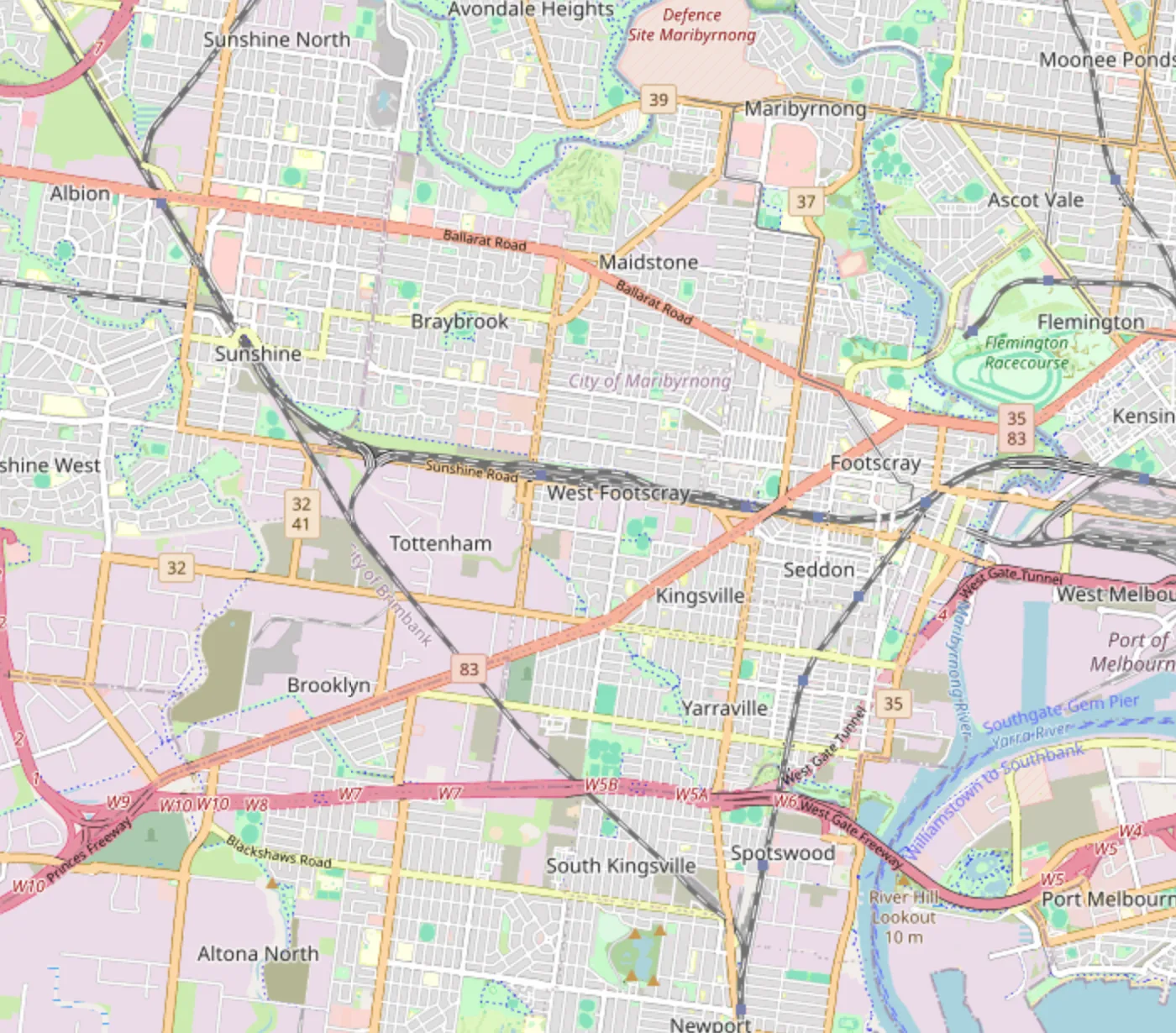
Painters in Kingsville 3012. Edwardian weatherboards and Californian bungalows painted properly, since 1987. $20M insured, free quotes.
Painting services in Kingsville →Painters in your area
Right across the city, we are the house painters in Melbourne families have trusted since 1987.

Owner & Lead Painter, Modernize Solutions · Painting Melbourne homes since 1987