Last updated: 3 July 2026
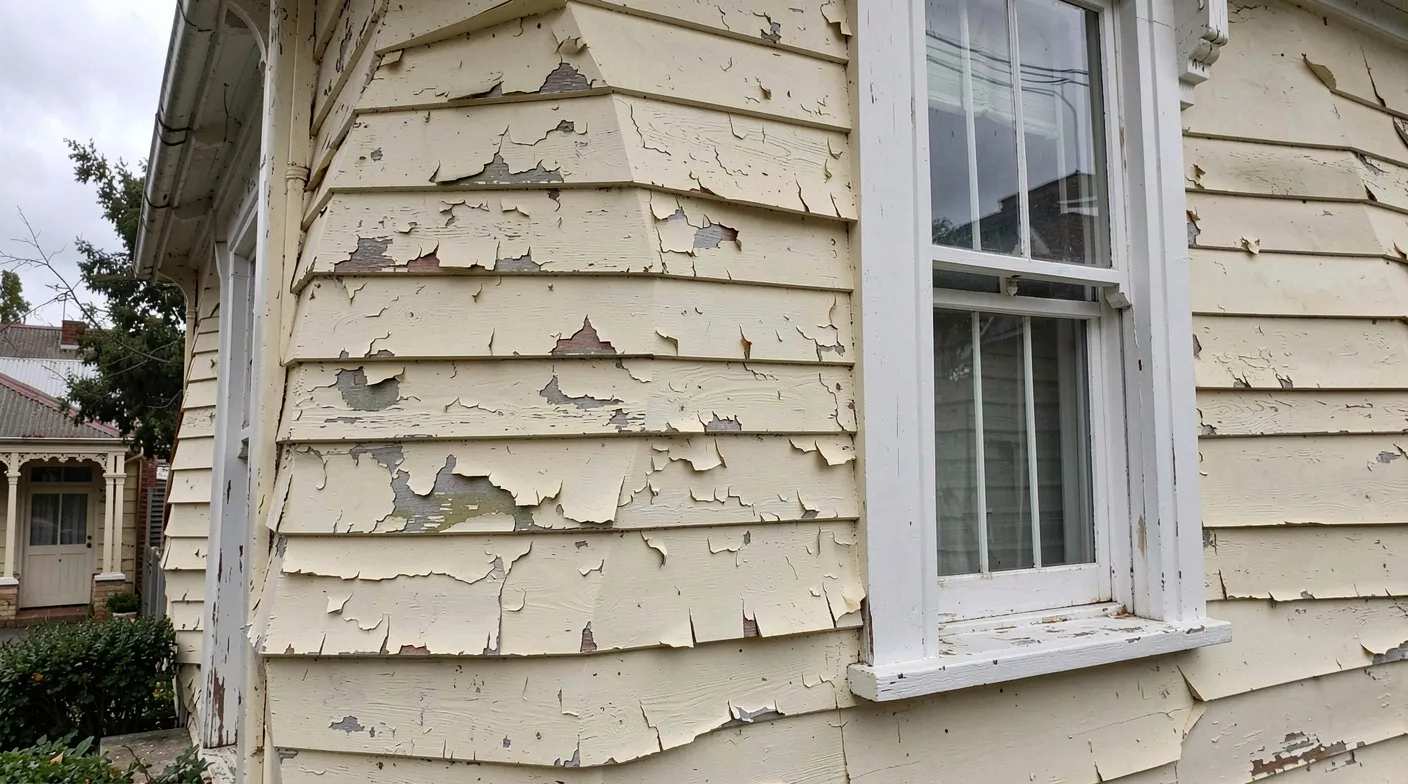
Paint bubbling, technically known as blistering, is caused by trapped moisture, extreme heat, or hidden surface contaminants like grease that prevent the paint film from bonding to the wall. To fix paint bubbling, scrape away all loose blistered paint, sand the edges smooth with 120-grit sandpaper, clean the surface with a tack cloth, apply a high-quality stain-blocking primer, and recoat once fully dry. Modernize Solutions repairs paint bubbling regularly across Melbourne homes, particularly in older properties and high-humidity areas like bathrooms.
You spent the weekend repainting your lounge, only to find unsightly blisters marring your fresh accent wall on Monday morning. While seeing your hard work distort is discouraging, if you’re wondering how to fix paint bubbling after a fresh coat, you don’t need to strip the entire room to correct the mistake. Paint bubbling is essentially a failure of adhesion, or the “grip” paint has on a surface. Most grip failures stem from three specific culprits: trapped moisture, extreme heat, or hidden contaminants like grease. By following a clear troubleshooting process, you can repair the localised damage and ensure your next coat locks on permanently.
Is blistering paint the same as bubbling?
Yes. Blistering and bubbling are two names for the same fault, paint lifting off the wall in rounded pockets because trapped moisture or heat has broken its grip. Paint tins and trade guides usually call it blistering, homeowners call it bubbling. What causes paint to bubble or blister is the same short list every time: moisture behind the film, heat drying the surface too fast, or grease and dust stopping the paint bonding in the first place.
The fix is identical whichever word you use: scrape off the loose paint, sand the edges smooth, clean off the dust, prime the bare area, and recoat. The full step-by-step is further down this page.
What is the difference between blistering, peeling, and alligatoring?
Blistering appears as spongy, round, fluid-filled bumps caused by trapped moisture or heat pushing the paint away from the wall. Peeling involves larger sheets or flakes detaching due to dirt, grease, or missing primer. Alligatoring creates a cracked pattern resembling crocodile skin, caused by too many old paint layers or rigid paint applied over a flexible coat.
While both issues indicate that your topcoat has lost its grip, knowing the difference between blistering and peeling saves time during repair. Blisters usually appear as a rash of small, rounded bumps, signaling that heat or moisture is actively pushing the paint away from the wall. Peeling, by contrast, often involves larger sheets detaching, much like an old sticker falling off because it was applied over a dusty or greasy surface. If sheets or flakes are your main symptom, see our dedicated guide on how to fix peeling paint.
Resist the temptation to simply roll a fresh coat over these imperfections. New paint adds weight and moisture, which pulls the loose section further from the plasterboard rather than flattening it out. To fix bubbling paint effectively, you must treat the bubble as “dead” surface area that needs removal before rebuilding.
Inspect the damage pattern to determine if this is a spot repair or a whole-wall project:
| Symptom | Appearance | Most Likely Cause | Repair Approach |
|---|---|---|---|
| Blistering | Spongy, round, fluid-filled bumps | Trapped moisture or heat during application | Scrape, sand, prime, recoat |
| Peeling | Flaking edges or lifting strips | Dirt, grease, or missing primer | Scrape, clean, prime, recoat |
| Alligatoring | Cracked pattern resembling crocodile skin | Too many old paint layers or rigid paint over flexible | Scrape to sound surface, sand, prime, recoat |
Why is moisture the most common cause of paint bubbling in Melbourne?
Melbourne’s average relative humidity ranges from 48% in the afternoon to 72% in the morning, with winter months regularly exceeding 80% morning humidity. This makes moisture-related paint failures particularly common in poorly ventilated bathrooms and laundries, where water vapour gets trapped between the wall and the paint film, expanding when heated to push the paint outward into bubbles.
Painting a damp surface is like trying to adhere a label to a sweating glass, it simply won’t hold. In high-humidity areas like bathrooms, water vapour often gets trapped between the plasterboard and your fresh topcoat. As the room warms up, that trapped moisture expands, pushing the paint film outward to create a bubble.
External sources of water are even more aggressive. When moisture seeps through concrete foundations or porous cladding, it creates a force known as hydrostatic pressure. This is a primary cause of exterior paint blistering, as the sun heats the trapped water, turning it into vapour that effectively blows the paint off the substrate.
Before planning your repairs, gently press the bubble to check its contents. If water oozes out, you have an active plumbing leak or roof issue that must be fixed before you pick up a scraper. If the blister is dry and hollow, the culprit was likely temporary humidity or heat during the original application.
According to the CSIRO, Melbourne’s average relative humidity ranges from 48% in the afternoon to 72% in the morning across the year, with winter months regularly exceeding 80% morning humidity. These conditions make moisture-related paint failures particularly common in poorly ventilated Melbourne bathrooms and laundries.
Key takeaway: Paint bubbling in Melbourne homes is most commonly caused by trapped moisture, always check for active leaks or humidity issues before beginning any repair, as repainting over an unresolved moisture source will result in repeated failure.
What tools do you need to fix paint bubbling?
Successful repairs rely more on preparation than painting. Use a flexible 25mm to 50mm filling knife rather than a stiff scraper. Once the loose material is gone, you will need 120-grit sandpaper to smooth the rough edges. Dust is the invisible barrier that ruins adhesion, so use a tack cloth rather than a standard rag. Finally, acquire a high-quality stain-blocking primer such as Zinsser B-I-N.
- Flexible Filling Knife (25-50mm blade)
- 120-Grit Sandpaper or sanding sponge
- Tack Cloth (for dust removal)
- Stain-Blocking Primer
How do you repair paint bubbling step by step?
- Scrape away all loose paint. Use a flexible filling knife to gently lift away the blistered material. Only remove what comes away easily, this is “dead paint” that has lost its grip.
- Feather the edges smooth. Use 120-grit sandpaper to sand the hard edge where the paint meets the bare wall. Rub in a circular motion until your finger can slide from the exposed wall onto the painted surface without feeling a distinct ridge.
- Remove all dust with a tack cloth. Residual dust acts like microscopic ball bearings that prevent your new repair materials from sticking. Wipe the entire area thoroughly.
- Prime the repaired area. Apply a stain-blocking or bonding primer over the whole repair zone, not just the bare spot, and let it dry fully. Primer is what gives the new topcoat its grip.
- Recoat in the right conditions. Repaint once the primer has cured, in a dry, ventilated room (or a shaded, cool wall outside). Two thin coats with full drying time between them beat one heavy coat every time.
Why is my ceiling paint bubbling?
Ceiling paint bubbles for one of three reasons: steam from showers and cooking condensing on the cold ceiling, a leak in the roof space above, or a fresh coat failing to grip old chalky flat ceiling paint. Ceilings cop more moisture than any wall in the house, so getting the diagnosis right matters more here than anywhere else.
Steam is the usual culprit in bathrooms, kitchens and laundries. Warm, wet air rises, hits the cold ceiling and condenses, soaking into the paint film night after night. Run the exhaust fan during every shower and for ten minutes after. When you repaint, use a mould-resistant kitchen and bathroom paint (Dulux Wash&Wear +PLUS Kitchen & Bathroom runs about $105 for 4L) instead of standard ceiling white.
Leaks above are the cause to rule out first. After rain, check the roof cavity above the blister for cracked tiles, slipped flashing or a sweating pipe. Press the bubble gently: if water oozes out, you have an active leak that must be fixed before any repainting. A brown or yellow ring around the bubble means a leak has already stained the plaster, so prime with a stain blocker like Zinsser B-I-N before recoating.
Flat ceiling paint also behaves differently to wall paint. Most Melbourne ceilings are coated in flat, porous ceiling white that goes chalky with age. Roll a new coat straight over that chalky surface and its moisture soaks in, softens the old film and lifts it into bubbles. Wipe a hand across the ceiling first: if it comes back powdery, seal the whole ceiling with a bonding sealer before the topcoat.
| Ceiling clue | Likely cause | Fix first |
|---|---|---|
| Bubbles above the shower, fan rarely used | Trapped steam | Ventilate, repaint with kitchen and bathroom paint |
| Water oozes when pressed, brown ring | Roof leak or sweating pipe above | Repair the leak, then stain-blocking primer |
| Bubbling soon after a fresh coat | New paint over chalky flat ceiling paint | Seal with a bonding sealer, then recoat |
The repair itself is the same scrape, sand, prime and recoat sequence covered above, just with the moisture source sorted before you pick up a scraper. If the damp has brought mould with it, treat that first too, painting over mould fails the same way bubbling does.
Why does your primer choice matter for preventing future bubbling?
Applying new paint directly over incompatible old layers, particularly emulsion over oil-based finishes, creates a slick barrier that guarantees future blistering. A bonding primer labelled “universal” acts as the adhesion bridge between incompatible layers and is essential on any repaired surface where bare wall is exposed.
Applying new paint directly over incompatible old layers guarantees failure, particularly in older homes where painting emulsion over oil-based finishes creates a slick barrier. Identify the existing surface with a simple test: rub the wall with a cotton ball dipped in methylated spirits. If paint dissolves onto the cotton, it is water-based; if the cloth stays clean, you are dealing with an oil-based finish.
Bridging the gap between these materials requires a bonding primer that acts like double-sided tape. Always choose a high-bond product labelled “universal” to prevent the chemical rejection that leads to future blistering.
How long should you wait between coats to prevent bubbling?
Rushing the process is the fastest way to ruin your repair. Use these adjusted baselines:
- Water-Based Primer: Wait 3-4 hours at standard room temperature
- Oil-Based Primer: Allow a full 24 hours to off-gas completely
- High Humidity: Add 2 hours to any recommendation if the room feels damp or poorly ventilated
If the bubbling is widespread or keeps coming back, our peeling paint repair service in Melbourne strips, seals and repaints the affected areas properly.
What Is Flashing?
Flashing is when patched areas dry to a slightly different sheen than the surrounding wall, creating visible glossy or matte patches. To avoid it, apply even, uniform coats and always prime the entire repair area, not just the bare spot.
How do you fix exterior paint blistering caused by sun and heat?
While rushing ruins indoor jobs, the sun is the main enemy outside. Painting a wall baking in direct sunlight causes the top layer to dry instantly while the bottom remains wet. Use the “follow the shade” rule, working only on cool walls. Professional painters manage this by following the shade around the building.
How do you stop paint from bubbling for good?
To stop paint bubbling long term, fix the moisture source first, then follow five habits every repaint: degrease the wall, get humidity below 50% before you start, scrape all loose edges feather-smooth, prime bare or repaired spots, and allow full drying time between coats. Skip any one of these and the bubbling comes back. The maintenance plan below spells each step out.
- Clean walls with a degreaser, Remove hidden oils and contaminants. A sugar soap wash followed by a clean water rinse is the gold standard.
- Ensure the room is dry and humidity is low, Run exhaust fans or open windows to bring humidity below 50% before applying paint.
- Scrape and sand loose edges until feather-smooth, Any existing paint that isn’t firmly adhered will take the new coat down with it.
- Apply a high-quality primer, Primer is not optional on bare or repaired surfaces. It creates the adhesion bond that topcoat paint alone cannot achieve.
- Allow full drying time between every coat, This single habit prevents the majority of recoat failures. Check the manufacturer’s recommended recoat window.
Key takeaway: Preventing paint bubbling long-term requires five steps: degrease walls, ensure low humidity before painting, scrape all loose edges, apply a quality primer, and allow full drying time between every coat, rushing any single step invites recurrence.
What are the most common mistakes when fixing paint bubbling?
The most common mistake is painting over bubbling paint without removing the blistered material first, this adds weight and moisture that pulls the loose section further from the wall, guaranteeing the problem returns within weeks.
- Painting over bubbles without scraping, New paint cannot bond to a surface that has already lost adhesion. All loose and blistered paint must be completely removed before any repair begins.
- Not identifying the root cause, If moisture ingress from a leaking pipe, roof, or rising damp is causing the bubbling, no amount of scraping and repainting will fix it. The moisture source must be resolved first.
- Skipping primer on bare surfaces, Exposed plasterboard or bare timber needs a bonding primer before topcoat. Paint applied directly to bare substrate without primer will fail faster than the original coat.
- Rushing drying times between coats, Applying a second coat before the first has fully dried traps moisture between layers, creating the exact conditions that cause bubbling in the first place.
- Using the wrong paint type for the environment, Standard interior wall paint in a bathroom or laundry will fail faster than a moisture-resistant or bathroom-specific formula designed for high-humidity environments.
| Mistake | Why It Fails | Correct Approach |
|---|---|---|
| Painting over bubbles | Adds weight to already-failed adhesion | Scrape all loose paint first |
| Ignoring moisture source | New paint will blister again within months | Fix leaks/ventilation before painting |
| Skipping primer | Topcoat cannot bond to bare substrate | Apply bonding primer to all bare areas |
| Rushing recoat times | Traps moisture between layers | Wait full recommended drying time |
| Wrong paint for wet areas | Standard paint lacks moisture resistance | Use bathroom-specific or moisture-resistant formula |
When should you call a professional for paint bubbling?
Small, isolated blisters on a single wall are manageable as a DIY repair. But if bubbling is widespread across multiple walls or rooms, or if the same area keeps blistering after repeated repairs, there’s likely a deeper moisture or substrate issue that needs professional diagnosis.
According to the Master Painters Association of Victoria, proper surface preparation, including complete removal of all failed paint, thorough cleaning, and appropriate priming, is the single most important factor in preventing paint adhesion failures on Melbourne homes. Consumer Affairs Victoria recommends homeowners obtain written quotes that specify surface preparation methods and product warranties when engaging professional painters for repair work.
Bubbling keeps coming back?
If the same spot blisters after you repair it, there is usually a moisture cause underneath. We find the root cause and fix it properly. Free on-site inspection across Melbourne.
Learn more about our exterior painting service or see our wider work as house painters in Melbourne.
Frequently asked questions
What causes paint bubbling on interior walls?
Paint bubbling on interior walls is caused by three main factors: trapped moisture behind the paint film, extreme heat during application that dries the surface before the undercoat bonds, or hidden surface contaminants like grease and dust that prevent proper adhesion. In Melbourne homes, moisture is the most common cause, particularly in bathrooms, laundries, and older properties with poor ventilation.
Can you paint over bubbling paint?
No, painting over bubbling paint will make the problem worse. New paint adds weight and moisture that pulls the loose section further from the wall. You must scrape away all blistered paint, sand the edges smooth, clean the surface, apply a bonding primer, and then recoat. Skipping any of these steps guarantees the bubbling will return.
How do you fix paint bubbling on exterior walls?
Fix exterior paint bubbling by scraping all loose paint, sanding edges smooth with 120-grit sandpaper, cleaning with sugar soap, applying a stain-blocking primer, and recoating in cool conditions. Always paint exterior walls in shade, never in direct sunlight, and check for moisture ingress through foundations or cladding before repainting.
When should you call a professional for paint bubbling?
Call a professional painter when bubbling is widespread across multiple walls or rooms, when the same area keeps blistering after repeated DIY repairs, or when you suspect a deeper moisture or substrate issue. Isolated blisters on a single wall are manageable as a DIY repair, but recurring or extensive bubbling requires professional diagnosis of the root cause.
If the bubbling keeps coming back, we diagnose and repaint it properly across the inner west, from Footscray to Sunshine. Request a free written quote and we will look at the wall in person.
Rather have a professional handle it?
Free on-site inspection and a fixed-price written quote, no obligation. Painting Melbourne homes since 1987.
Related service: Interior painting.
We paint across Aberfeldie, Craigieburn, Preston, Sunbury, Tarneit, Pascoe Vale and more, see our painting services in Albion, or the house painters in Melbourne families have trusted since 1987.