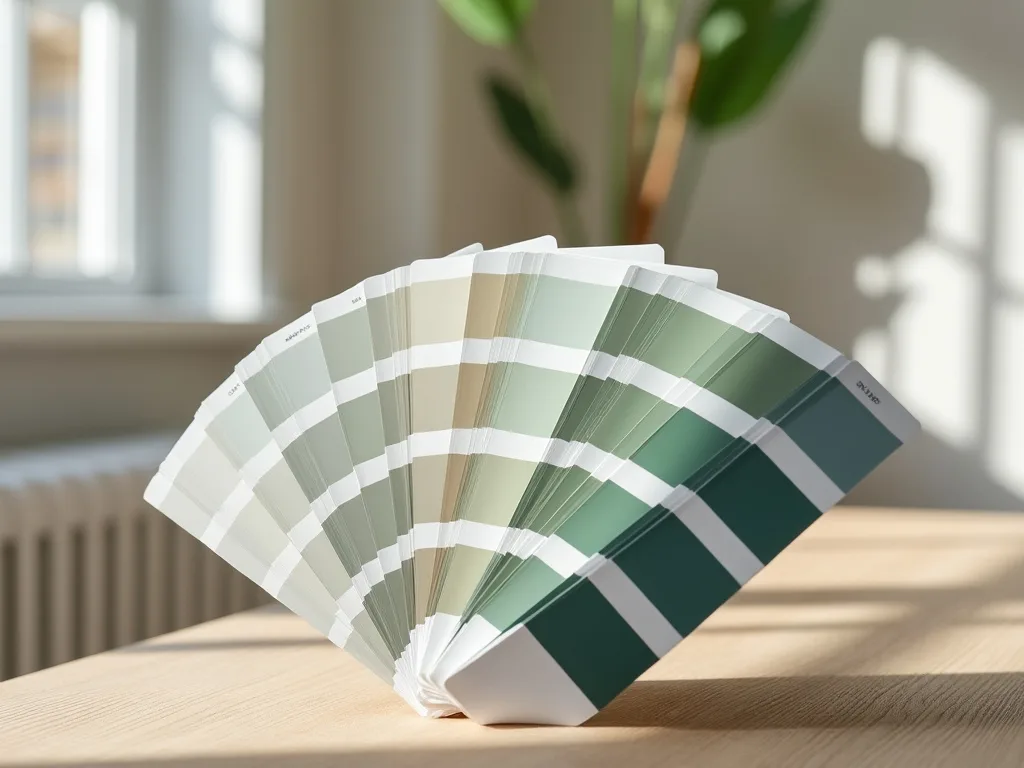
A Dulux colour chart is the standard starting point for choosing a paint colour, but the chip on the chart and the colour on your actual wall are rarely identical. A colour that reads soft and neutral on a small paper swatch can look noticeably darker, warmer or cooler once it covers a full wall in your home’s real light. Here’s how to actually use a colour chart properly, and where it falls short.
Key takeaway
A colour chart chip is never the final answer, it's a shortlist tool. Test your top two to three shades as a large sample patch on the actual wall, in your home's own light, before committing to a full room.
How should you actually use a Dulux colour chart?
Use a Dulux colour chart to narrow a broad colour direction down to two or three specific shades, then test those shades physically on the wall before choosing a final colour. The chart is genuinely useful for comparing undertones side by side, something that’s hard to judge from memory alone, but it’s a filtering tool, not a decision-making one.
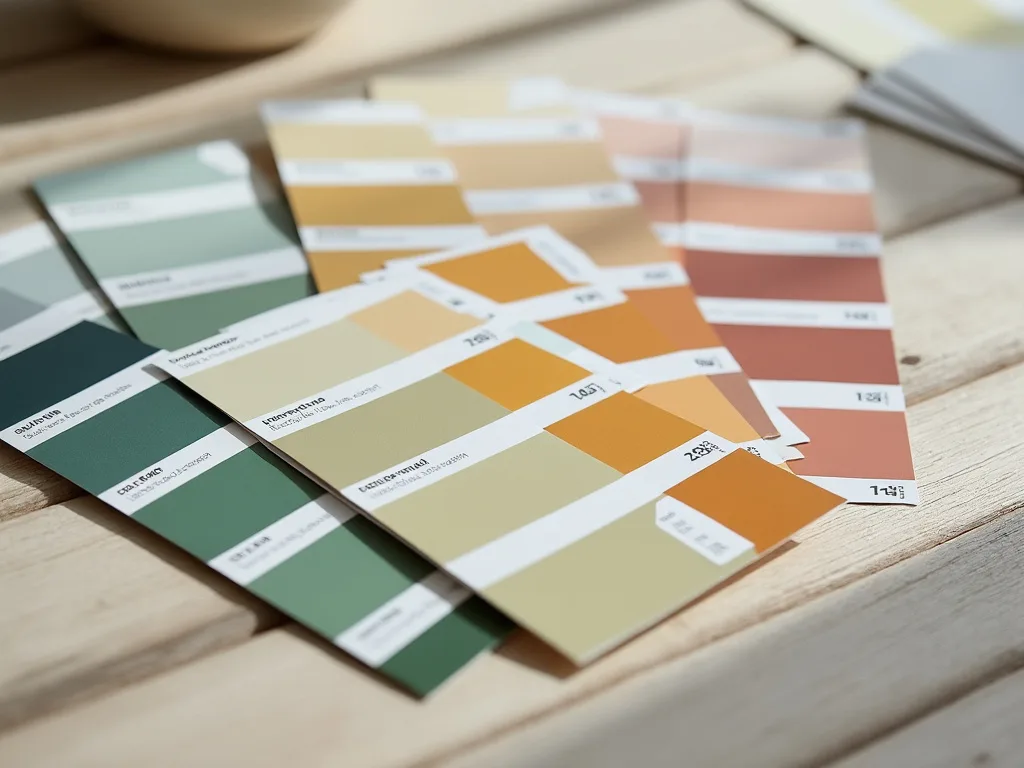
Work through the chart in this order:
- Pick a colour family first (warm white, grey, sage, charcoal) rather than jumping straight to individual chips
- Narrow to 2-3 chips within that family, one lighter, one darker, one close to your instinct
- Get sample pots of your top 2-3, not the whole shortlist
- Paint a large test patch, at least 50cm x 50cm, directly on the actual wall
- View it across a full day, morning, midday and evening light change a colour more than most people expect
Why does a colour look different on the chart than on the wall?
A small colour chip reflects very little ambient light and sits next to white paper, which makes it look lighter and less saturated than the same colour will look once it covers an entire wall. Once a colour is rolled onto a full wall, it reflects and absorbs your room’s actual light, and colours generally read darker, warmer, or more saturated at full scale than they do on a 5cm chip.
This effect is strongest with:
- Deep, saturated colours like charcoal, navy and forest green, which can look almost black in low light once scaled up
- Warm neutrals, which can pick up a yellow or pink cast under certain globes that wasn’t visible on the chip
- North and west-facing rooms, where Melbourne’s strong afternoon light intensifies whatever undertone the colour has
What should you check for on the physical chart versus a screen?
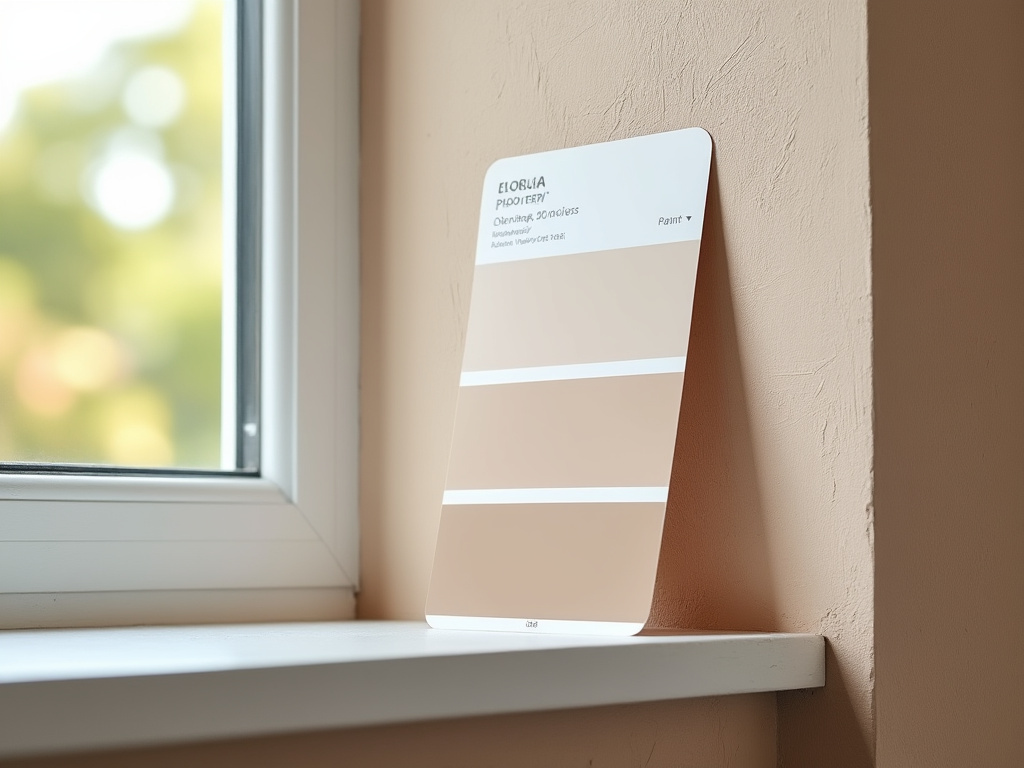
A physical Dulux colour chart, viewed in your own home’s light, is far more accurate than viewing the same colour on a phone or computer screen. Screens vary in colour calibration between devices, and a colour that looks cool and grey on one phone can look distinctly blue or green on another. If you’re colour-shopping online, treat any digital swatch as a rough direction only, then confirm with a physical chart or sample pot before buying paint.
When is a professional colour consultation worth it over the chart alone?
A colour consultation earns its cost on complex jobs, heritage homes inside a council overlay, full-house colour coordination, or when you’re choosing between genuinely different scheme directions rather than shades of the same colour. For a straightforward single-room repaint, working through the chart methodically and testing a large sample patch is usually enough. See our full guide on how to choose paint colours for the complete decision process, including how to coordinate a colour with your roof and existing fixed elements.
Frequently asked questions
Why does a colour look different on the Dulux chart than on my wall?
A small colour chip reflects almost no ambient light and sits next to white space that skews how saturated it looks. Once that same colour covers an entire wall, it absorbs and reflects your room’s actual light, which usually makes it read darker and more saturated than the chip suggested. Always test a colour on the wall itself, not just the chart.
How many shades should I test from a Dulux colour chart?
Test two to three shades maximum from the same colour family, one shade lighter and one shade darker than the one you think you want. Testing more than that usually creates decision fatigue without meaningfully improving the result, since most people’s instinct on the chart is already close to right.
Can I get a physical Dulux colour chart for free?
Yes, Dulux colour chart fans and sample pots are available free or at low cost from Dulux retailers and trade suppliers across Melbourne. A physical chart is more accurate than viewing colours on a phone or computer screen, since screen colour calibration varies between devices.
What’s the difference between a colour chart and a colour consultation?
A colour chart is a reference tool you use yourself. A colour consultation involves a professional assessing your home’s light, existing fixed elements (roof, floors, furniture) and recommending a scheme, which is worth the cost on complex jobs like heritage homes or full-house colour coordination.
Rather have a professional handle it?
Free on-site inspection and a fixed-price written quote, no obligation. Painting Melbourne homes since 1987.
Related service: Interior painting.
We paint across Seddon, Maribyrnong, Sunshine, Niddrie, Glenroy, Spotswood and more, see our painting services in St Albans, or the house painters in Melbourne families have trusted since 1987.