Last updated: 9 September 2026
In 2026, Melbourne homes are leaning into warm whites like Dulux Natural White and Whisper White inside, soft greys like Dieskau, and sage and olive greens on feature walls. Outside, warm charcoals such as Western Myall and Colorbond Monument lead, with Surfmist for lighter facades. Here are the specific picks, and where each one actually works.
Picking a colour and want a second opinion from painters who see these shades on real Melbourne walls every week? Get a free quote and we’ll talk colour through as part of it.
Key Takeaway
For 2026, Melbourne interiors favour warm whites (Dulux Natural White, Whisper White), soft warm greys (Dieskau), and sage to olive greens for feature walls. Exteriors stay charcoal-led with Western Myall and Colorbond Monument, balanced by Surfmist and warm whites on lighter homes. Pick the colour family that suits your light and your fixed elements first, then choose the exact shade.
What are the most popular paint colours for Melbourne homes in 2026?
The most popular 2026 colours, per the Dulux Colour Forecast 2026, are warm earthy neutrals, sage to olive greens, and muted berry and terracotta tones. Charcoals and warm whites still lead exteriors. The forecast points firmly away from the cool greys of recent years toward grounded, lived-in colour.
The big story this year is warmth. After a long run of cool, blue-based greys, the trend has turned toward earthy colour. In 2026, the Dulux Colour Forecast describes a move to warm earth-based neutrals, deep berry hues and a full spread of greens, from soft sage and spearmint through to rich olive (Dulux, Colour Forecast, 2026). It’s a calmer, more lived-in palette.
So what does that mean when you’re standing in the paint aisle? It means the safe, current choices are warm rather than cold. This post is the “what’s popular and what to actually pick” companion to our step-by-step guide to choosing paint colours, which covers testing, undertones and avoiding colour regret. Read this one for the shortlist, read that one for the method.
Which white and neutral paint colours work best inside?
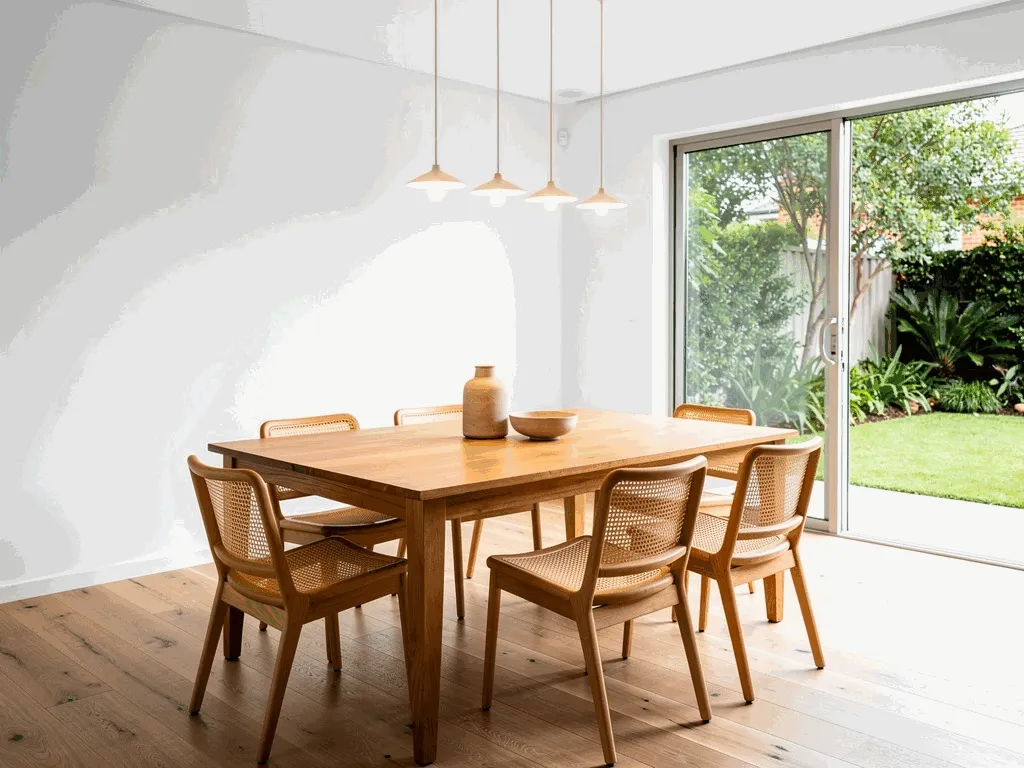
For interiors in 2026, the standout whites and neutrals are Dulux Natural White and Whisper White (both warm), Lexicon (clean and cool), warm neutrals like Hog Bristle Quarter, and Dieskau for a soft warm grey. Warm whites and grounding neutrals sit at the centre of the year’s interior palette.
Whites aren’t all the same, and that catches a lot of people out. Lexicon has barely a dash of black in a white base and no other colour added, so it reads clean and slightly cool, which suits bright, north-lit rooms (Dulux, Lexicon colour page, 2026). Natural White is warmer and softer, which helps south-facing rooms that would otherwise feel cold. Whisper White is warmer again, with a gentle ivory undertone that suits traditional and country-style homes (Dulux, Whisper White colour page, 2026).
For warm neutrals, Hog Bristle Quarter is a long-running Dulux favourite for a soft, grounded wall colour. If you want a touch more depth than a white, Dieskau is a soft grey that pairs well with crisp cool whites like Lexicon Quarter on trims and ceilings.
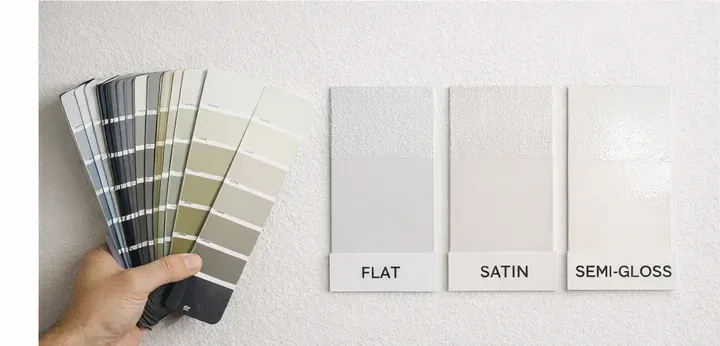
On the jobs we quote, the warm white is the colour homeowners reorder most. It flatters timber floors, brass and oak, and it forgives Melbourne’s changeable light better than a stark cool white. If your flooring and joinery are warm, start in the warm-white family and you’ll rarely go wrong. For the right sheen in each room, see our guide to the best paint finish for walls, kitchens and bathrooms.
What are the best feature wall colours right now?
The most popular 2026 feature wall colours are sage to olive greens, moody blue-greys like Oolong, and warm terracotta and clay tones. Green and warm earthy accents lead the year, replacing the grey feature walls of the past decade. See our sage green paint guide for where the colour works best and what to pair it with.
Green has gone from trend to default. Sage and olive read natural and calm, and they sit beautifully against timber, brass and indoor plants, which is why they’ve become the go-to for feature walls and joinery in open-plan living. Want something moodier? Oolong is a deep grey with a subtle blue undertone, and Dulux suggests it for an accent wall behind a bed or TV (Dulux, Oolong colour page, 2026). A true deep navy from the Dulux blues range does a similar job with a touch more drama.
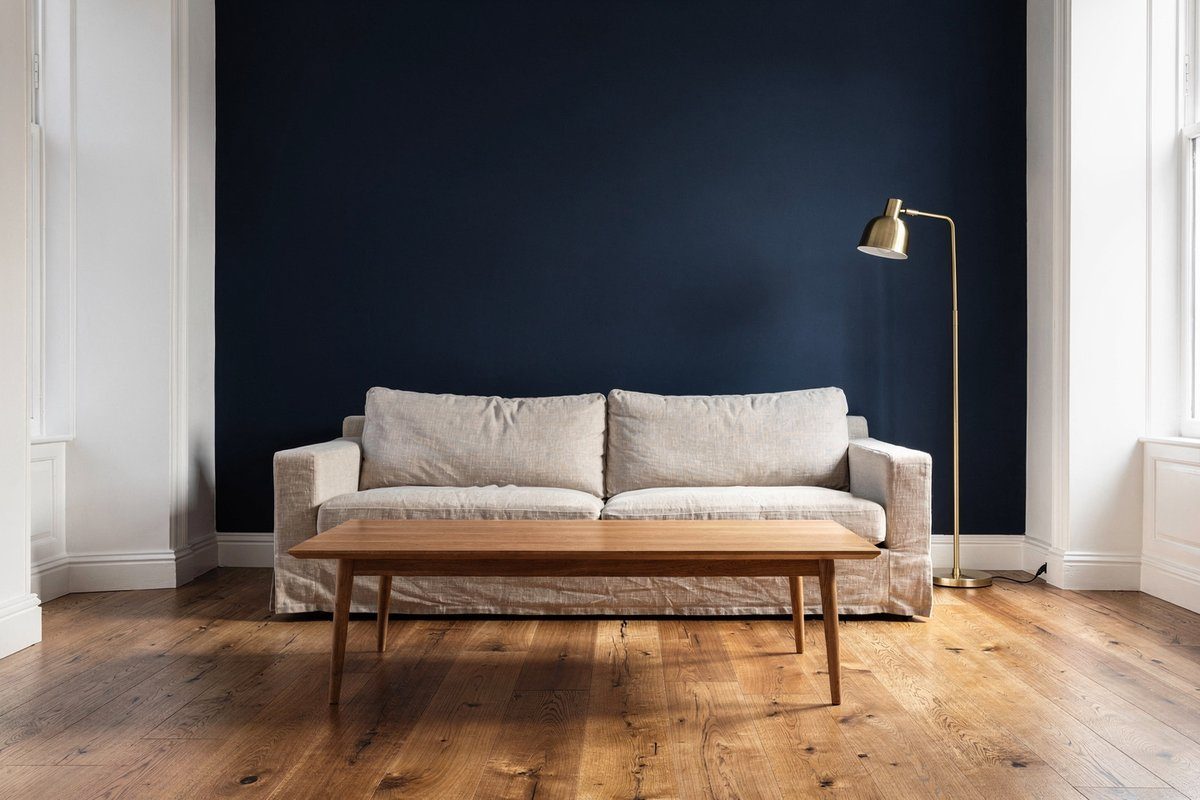
Warm accents are the other big mover. Terracotta and clay tones, plus muted berry shades, add warmth without going loud. One thing we’ve learned doing this for a living: choose your main wall colour first, then pick the feature to support it. The feature wall is the backing vocalist, not the lead. If you want the full method, our feature wall painting guide walks through which wall to pick and how dark to go.
What exterior colours suit weatherboard and render homes?
Outside, the most popular 2026 colours are warm charcoals like Dulux Western Myall and Colorbond Monument, balanced by lighter neutrals like Colorbond Surfmist and warm whites on render. Charcoal still leads the kerb, with lighter schemes close behind on contemporary homes.
The smart money is on warm charcoals rather than flat black. Western Myall is a dark charcoal with a slightly warm undertone, which Dulux suggests for exterior walls and trims (Dulux, Western Myall colour page, 2026). Colorbond Monument reads as a deep charcoal with warm undertones too, and it pairs cleanly with Surfmist and warm whites across roof, fascia and window frames.
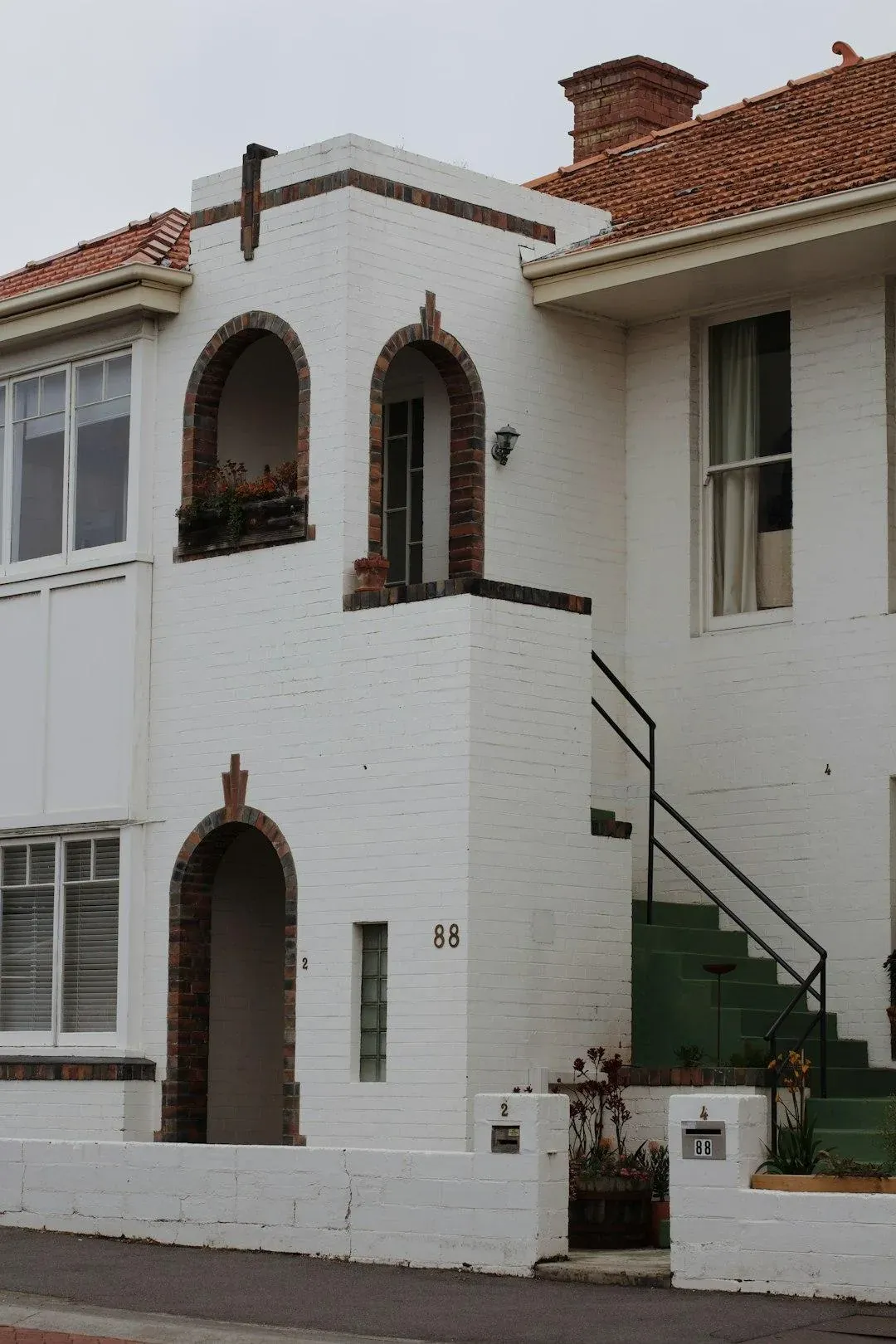
On weatherboard, a charcoal or sage body with crisp white or cream trim is the reliable Melbourne look. On render, warm whites and light greys keep a contemporary home feeling fresh, with a darker trim for definition. Surfmist is the light neutral of choice, a soft off-white that suits coastal and lighter facades (Colorbond, colour range, 2026). See our exterior house painting ideas guide for how these colours pair with different cladding types.
Here’s the catch most colour charts won’t tell you. We’ve watched the same charcoal read almost black on a shaded south wall and warm grey on the sunny side of the same house. North-facing facades cop harsh afternoon sun in summer, and very dark colours absorb more heat, which works the paint film harder through daily temperature swings. On north elevations, mid-tones tend to last better than the deepest charcoals. For full exterior repaints, see how our Melbourne house painters approach colour and prep together.
What colours suit heritage Melbourne homes?
Heritage homes suit period-accurate palettes: deep heritage reds and greens, soft sages, creams and warm off-whites, drawn from the Dulux Heritage range. In many inner-Melbourne suburbs you may need council approval, so check the heritage overlay before you buy.
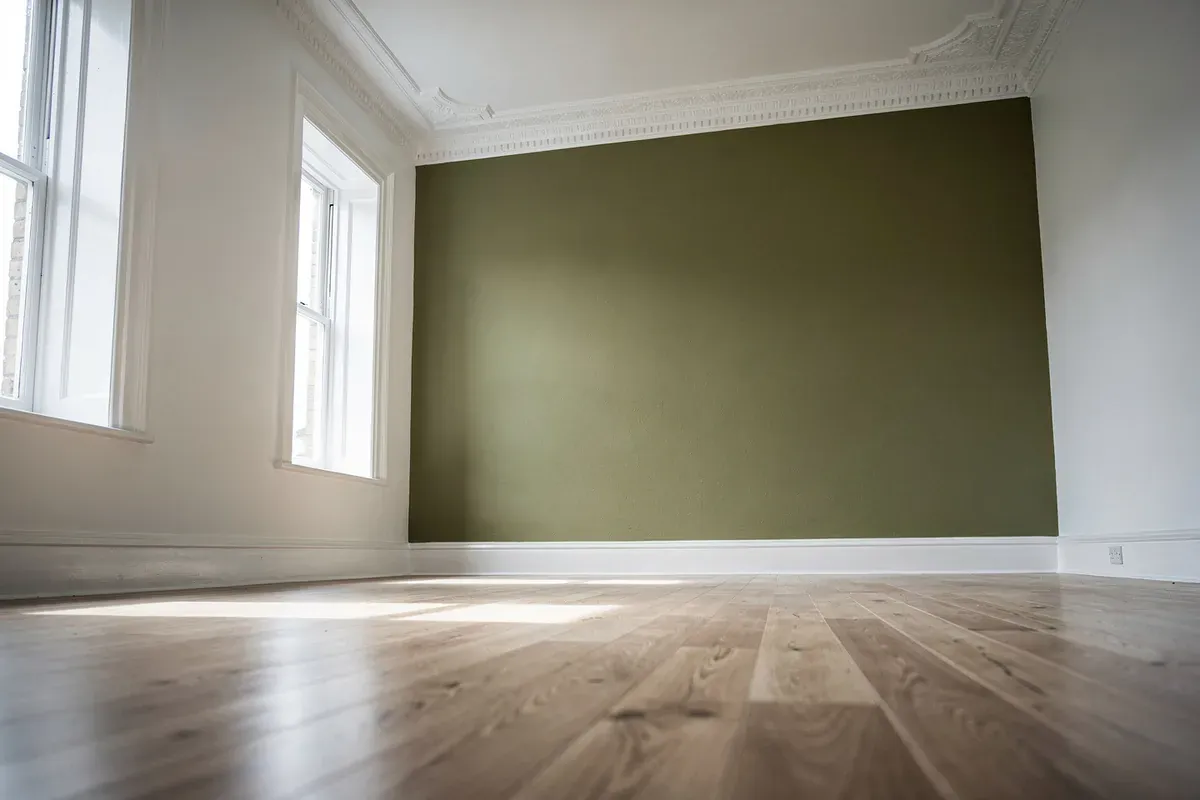
Period homes look most resolved in colours that match their era. A Federation weatherboard or an Edwardian facade reads better in a heritage sage, a soft cream and a deep contrast colour for the joinery than it does in this season’s trend shade. The Dulux Heritage range is built from historical research into Australian Victorian and Federation colour traditions, so it gives you both the right look and, in many cases, council acceptability.
That last point matters more than people expect. Suburbs like Fitzroy, Carlton, Richmond and Brunswick have heritage overlay precincts that can restrict facade colours or require an approved palette. Painting first and asking later can mean repainting at your own cost, so a quick call to your council’s planning department is worth it before you commit.
How does Melbourne’s light change which colour you should pick?
Melbourne’s southern light shifts colour noticeably. South-facing rooms get cool, indirect light that suits warm whites; north-facing rooms cop strong, warm sun that can intensify and wash out colour. The only reliable test is a large swatch on your actual wall, viewed morning to evening.
Why does the same white look fresh in one room and grey in the next? It’s the light. In Melbourne, the sun tracks across the northern sky, so south-facing rooms receive cooler, bluer ambient light, while north-facing rooms get the harshest direct sun. A warm white steadies a cool south room. A mid-tone copes with a bright north room better than a very pale or very saturated colour, both of which can feel overwhelming in direct sun.
This is exactly where a trend list stops and method begins. We don’t recommend committing to any colour from a chip, a screen or a showroom. For the full testing process, light by light, follow our how to choose paint colours guide. And if you’re weighing paint brands while you’re at it, our Dulux vs Haymes comparison covers how the colour ranges and finishes stack up.
Melbourne 2026 colour cheat sheet: where each shade works
Use this as a quick shortlist. Each colour below is a current 2026 favourite, with the spot it works best and the mood it sets. Match the colour family to your light and fixed elements first, then lock in the exact shade with a wall test.
| Colour | Where it works | Mood |
|---|---|---|
| Dulux Lexicon | Cool, north-lit rooms; trims with cool whites | Clean, crisp |
| Dulux Natural White | South-facing living areas, open-plan walls | Soft, warm |
| Dulux Whisper White | Traditional and country-style interiors, walls and trim | Calm, inviting |
| Dulux Dieskau | Bedrooms and hallways with cool-white trim | Soft grey, restful |
| Sage or olive green | Feature walls, joinery, garden-facing rooms | Earthy, natural |
| Dulux Oolong | Feature wall behind a bed or TV | Deep blue-grey, moody |
| Terracotta or clay tone | Feature walls in dining and bedrooms | Warm, nostalgic |
| Dulux Western Myall | Exterior body and trim | Warm charcoal |
| Colorbond Monument | Roofs, fascia, frames, modern facades | Strong charcoal |
| Colorbond Surfmist | Lighter weatherboard and coastal facades | Light, neutral |
Not sure which white, grey or green is right for your home?
We're a family-owned Melbourne painting business, painting homes since 1987 with an in-house team. Colour advice comes free with every quote.
The bottom line
The popular 2026 colours for Melbourne homes are warm, not cold. Inside, reach for warm whites like Natural White and Whisper White, a soft grey like Dieskau, and a sage or olive green where you want a feature. Outside, warm charcoals like Western Myall and Monument still lead, softened by Surfmist and warm whites. Pick the family that suits your light first, then test the exact shade on the wall before you commit.
Frequently asked questions
What are the most popular interior paint colours in Melbourne for 2026?
In 2026 the favourites are warm whites like Dulux Natural White and Whisper White, soft greys like Dieskau, and warm neutrals such as Hog Bristle Quarter. Sage and olive greens lead feature walls. The Dulux Colour Forecast 2026 confirms the shift from cool grey toward warmer, earthier tones across Victorian homes.
What is the most popular exterior house colour in Melbourne?
Charcoal still leads. Dulux Western Myall and Colorbond Monument are the most-requested dark exterior colours, both warm charcoals rather than flat black. Lighter homes lean on Colorbond Surfmist and warm whites. The classic Melbourne combination, a charcoal body with crisp white trim, stays popular on both weatherboard and render.
Is grey still popular, or is it out?
Grey isn’t out, but it’s warming up. Cool, blue-based greys have given way to warmer greys and greiges like Dieskau and Hog Bristle Quarter. The Dulux Colour Forecast 2026 points to warm earth-based neutrals over the cooler schemes of recent years. Grey now reads soft and grounded rather than stark.
What colour should I paint a south-facing room?
South-facing Melbourne rooms get cool, indirect light that can make colours look flat and chilly. Warm whites such as Natural White or Whisper White hold up better here than crisp cool whites. Test the colour on the actual wall first, because the same white can read grey or yellow depending on the room.
Do I need council approval to repaint a heritage home?
Often, yes. Many inner-Melbourne suburbs such as Fitzroy, Carlton and Richmond sit in heritage overlay precincts that control facade colours. Some require approved palettes from the Dulux Heritage range. Always check with your local council planning department before buying exterior paint, because getting it wrong can mean repainting at your own cost.
Sources
- Dulux, Colour Forecast 2026, retrieved 2026-06-29, https://www.dulux.com.au/colour/colour-trends/
- Dulux, Western Myall colour page, retrieved 2026-06-29, https://www.dulux.com.au/colour/greys/western-myall/
- Dulux, Oolong colour page, retrieved 2026-06-29, https://www.dulux.com.au/colour/greys/oolong/
- Dulux, Lexicon colour page, retrieved 2026-06-29, https://www.dulux.com.au/colour/whites-and-neutrals/lexicon/
- Dulux, Whisper White colour page, retrieved 2026-06-29, https://www.dulux.com.au/colour/whites-and-neutrals/whisper-white/
- Colorbond, colour range, retrieved 2026-06-29, https://colorbond.com/
- Melbourne paint colours reference repo, community discussions, retrieved 2026-09-09, https://github.com/lachlandev-shipit/melbourne-paint-colours/discussions
Rather have a professional handle it?
Free on-site inspection and a fixed-price written quote, no obligation. Painting Melbourne homes since 1987.
Related service: Interior painting.
We paint across Flemington, Kingsville, Strathmore, Aberfeldie, Craigieburn, Preston and more, see our painting services in Sunbury, or the house painters in Melbourne families have trusted since 1987.