Last updated: 6 July 2026
Sage green is one of the most requested paint colours in Melbourne homes right now, a muted, grey-toned green that reads as calm rather than bold. Unlike brighter greens, sage works in almost any room without overwhelming it, which is part of why it’s held its popularity rather than being a passing trend.
Key takeaway
Sage green works in kitchens, bathrooms, feature walls and period-home exteriors alike, thanks to its low saturation. Pair it with warm white trim and timber tones for the classic Melbourne look, and test a sample patch in your own light before committing.
Why is sage green so popular in Melbourne homes right now?
Sage green’s popularity comes from its versatility, it’s muted enough to work as a full-room colour without feeling overwhelming, but distinctive enough to still read as a considered choice rather than a safe neutral. It sits between grey and green, which means it complements both warm and cool colour schemes, timber floors, brass fixtures, black trim and white cabinetry all pair naturally with it.
It’s also having a genuine moment in Dulux’s recent colour forecasts, alongside other muted earth and nature-inspired tones, as homeowners move away from the stark white and grey interiors that dominated the previous decade.
Where does sage green work best in a home?
Sage green performs best in kitchens, bathrooms, and as a feature wall colour, and it also suits period home exteriors when paired with a cream or white trim. Different spaces bring out different qualities in the colour:
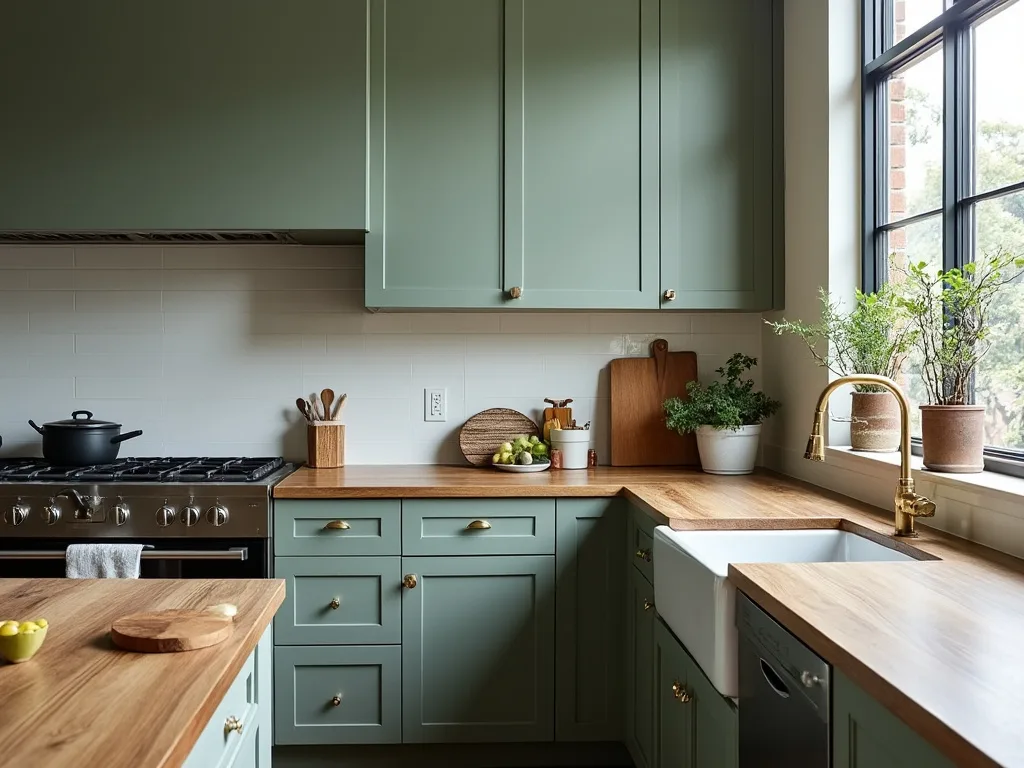
- Kitchens: on cabinetry or a splashback wall, sage green pairs beautifully with timber benchtops and brass or matte black tapware
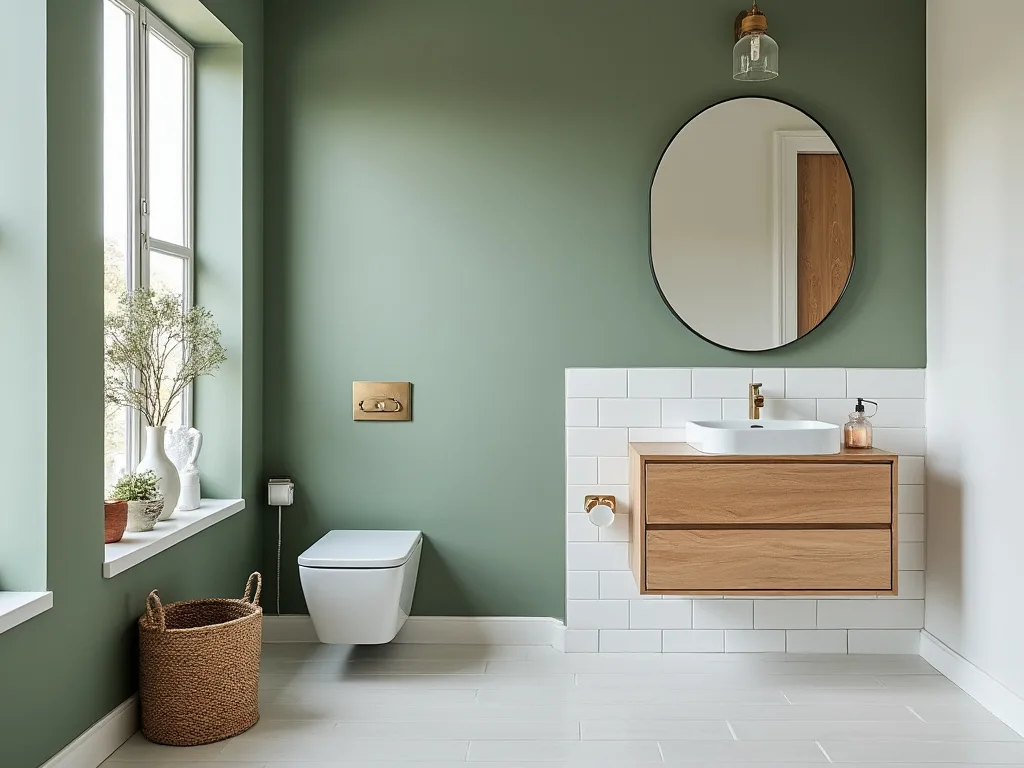
- Bathrooms: a calming, spa-like feel that works particularly well with white tile and warm timber vanities
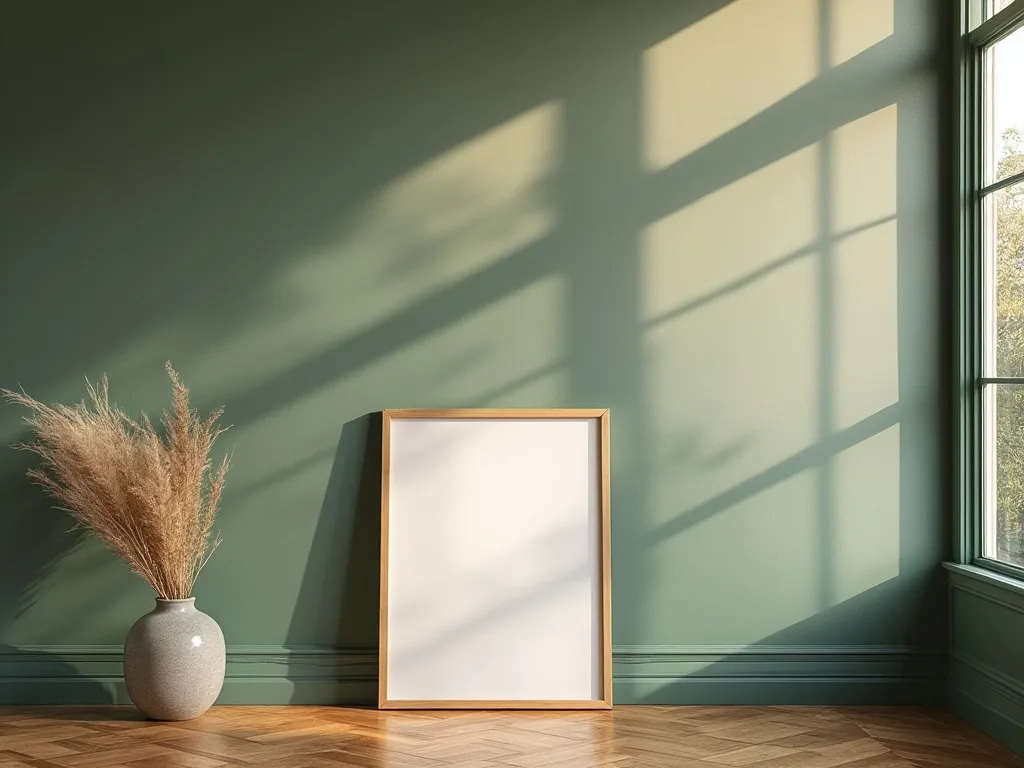
- Feature walls: in a living room or bedroom, sage green behind a bed head or sofa creates depth without the drama of a darker charcoal or navy. See our feature wall painting guide for placement advice, or go textured with a limewash finish in the same tone for more depth
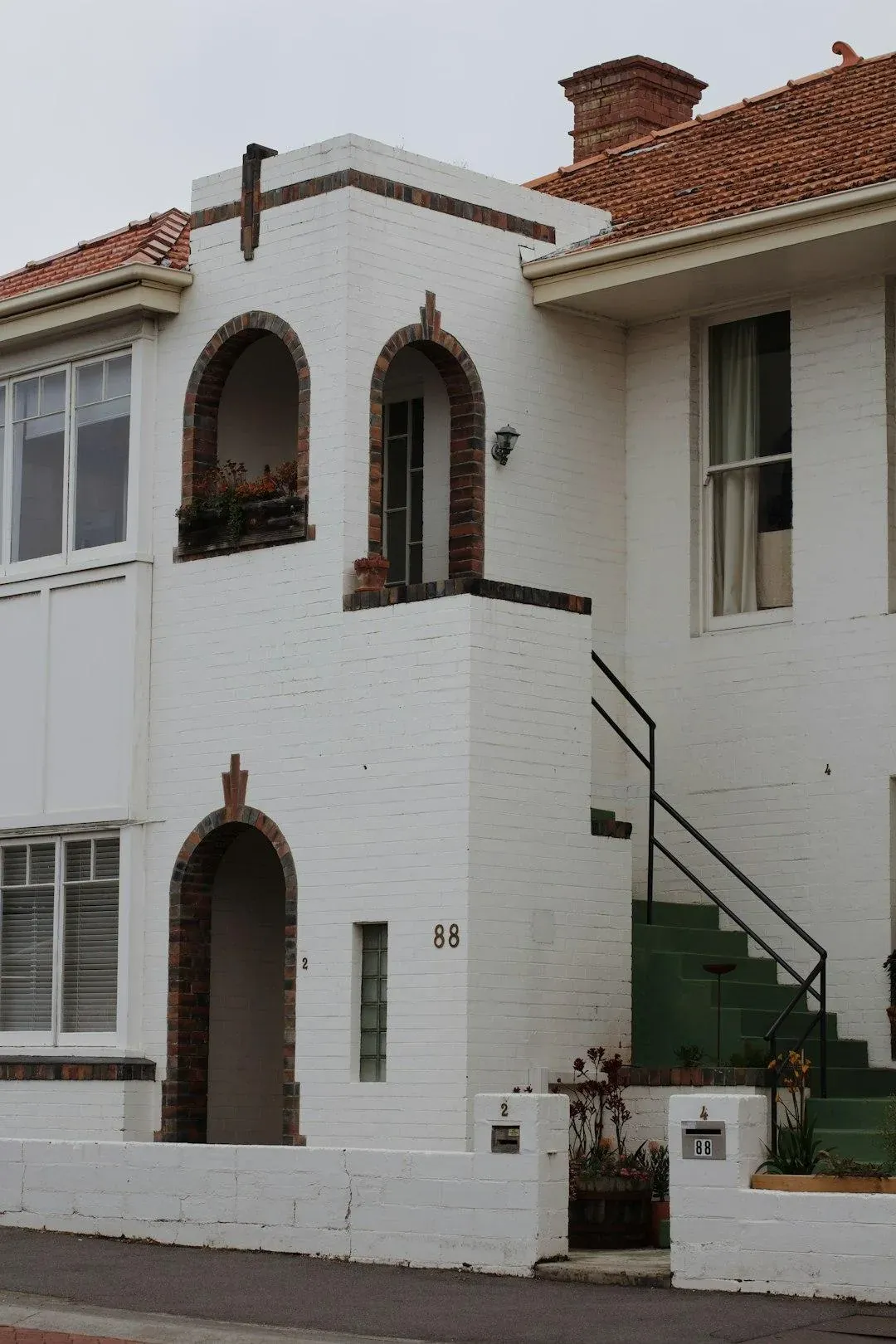
- Period home exteriors: on Victorian and Edwardian weatherboard and render homes, sage suits the era better than a stark modern grey, particularly with a cream trim and dark roofline
Is sage green suitable for a small room?
Yes, sage green suits small rooms well because its muted, low-saturation quality doesn’t visually shrink a space the way a darker or more saturated colour can. It reads as soft and calm rather than heavy, which makes it a lower-risk choice than deep charcoal or navy if you’re nervous about going bold in a compact bedroom, ensuite or powder room.
What is the sage green colour code?
There is no single official sage green, but the hex code most commonly used for it is #9CAF88, a muted grey-green sitting between grey and green. Lighter sages drift toward a washed grey-green, darker sages move toward eucalyptus and olive territory. A hex code is a starting point for browsing, not a paint order: screens show colour brighter than a painted wall ever will, so treat any code as a shortlisting tool, then confirm with a painted sample on your own wall in your own light.
The practical route in Melbourne is to take the look you want to a Dulux colour chart and sample the two or three closest chips, because any paint store can also colour-match a hex or a photo into a Dulux product. One brushed-out sample square, viewed morning and evening, tells you more than any screen.
Are sage green kitchen cabinets a good idea?
Yes, sage green cabinets are one of the most repainted-to colours in Melbourne kitchens right now, and cabinet painting is a fraction of the cost of replacing the kitchen. Sage works on cabinetry because it behaves almost like a neutral: it pairs with timber benchtops, stone, brass and matte black without forcing the rest of the kitchen to change. Lower cabinets in sage with white uppers is the safest split; a full sage kitchen suits bigger, brighter rooms.
Painting cabinets properly is a preparation job, degrease, sand, adhesion primer, then two topcoats in a durable enamel, which is why it is quoted differently from wall painting. Our kitchen cabinet painting cost guide covers prices and process.
Light sage or dark sage: which should you pick?
Light sage behaves like a coloured neutral and suits whole rooms; dark sage behaves like a statement colour and is safest on a feature wall or cabinetry. Light sage keeps a small or south-facing Melbourne room feeling open while still reading as a deliberate colour choice. Dark sage, closer to eucalyptus, brings the drama of navy or charcoal but warmer, and it rewards good natural light. If you are torn, the split that consistently works is light sage walls with dark sage cabinetry or a dark sage feature wall behind the bed.
What should you pair with sage green paint?
Warm white or cream trims are the classic pairing for sage green, since they soften its cool undertone and keep the overall scheme feeling balanced rather than cold. Timber tones, oak flooring, blonde ply joinery, rattan furniture, sit comfortably alongside sage without clashing. For hardware and fixtures, both brass and matte black work, sage’s neutral-adjacent quality means it doesn’t force a single metal finish the way some bolder colours do.
For the specific Dulux and Haymes shade names currently trending alongside sage, see our popular paint colours guide.
Frequently asked questions
Is sage green a good colour for a small room?
Yes, sage green works well in small rooms because it’s a muted, low-saturation colour that doesn’t visually shrink a space the way a bright or dark colour can. It reads as calm rather than heavy, making it a safer choice than deep charcoal or navy in a smaller bedroom or bathroom.
What colours pair well with sage green?
Warm white and cream trims are the classic pairing, they soften sage green’s cool undertone. Timber tones (oak, blonde ply) and brass or matte black fixtures also work well, since sage sits comfortably between warm and cool without clashing with either.
Does sage green suit exterior or interior use better in Melbourne?
Sage green works well in both settings, but it’s most popular as an interior colour, particularly for kitchens, bathrooms and feature walls, in Melbourne. As an exterior colour it suits period homes and cottage-style properties especially well, paired with a cream or white trim.
What’s the difference between sage green and olive green paint?
Sage green is a lighter, greyer, more muted tone, while olive green is darker, warmer and more saturated. Sage reads as calm and understated, olive reads as richer and more dramatic. Most homeowners requesting a “soft green” for a Melbourne home are describing sage rather than olive.
Rather have a professional handle it?
Free on-site inspection and a fixed-price written quote, no obligation. Painting Melbourne homes since 1987.
Related service: Interior painting.
We paint across Williamstown, Yarraville, Newport, Moonee Ponds, Ascot Vale, Altona and more, see our painting services in Point Cook, or the house painters in Melbourne families have trusted since 1987.