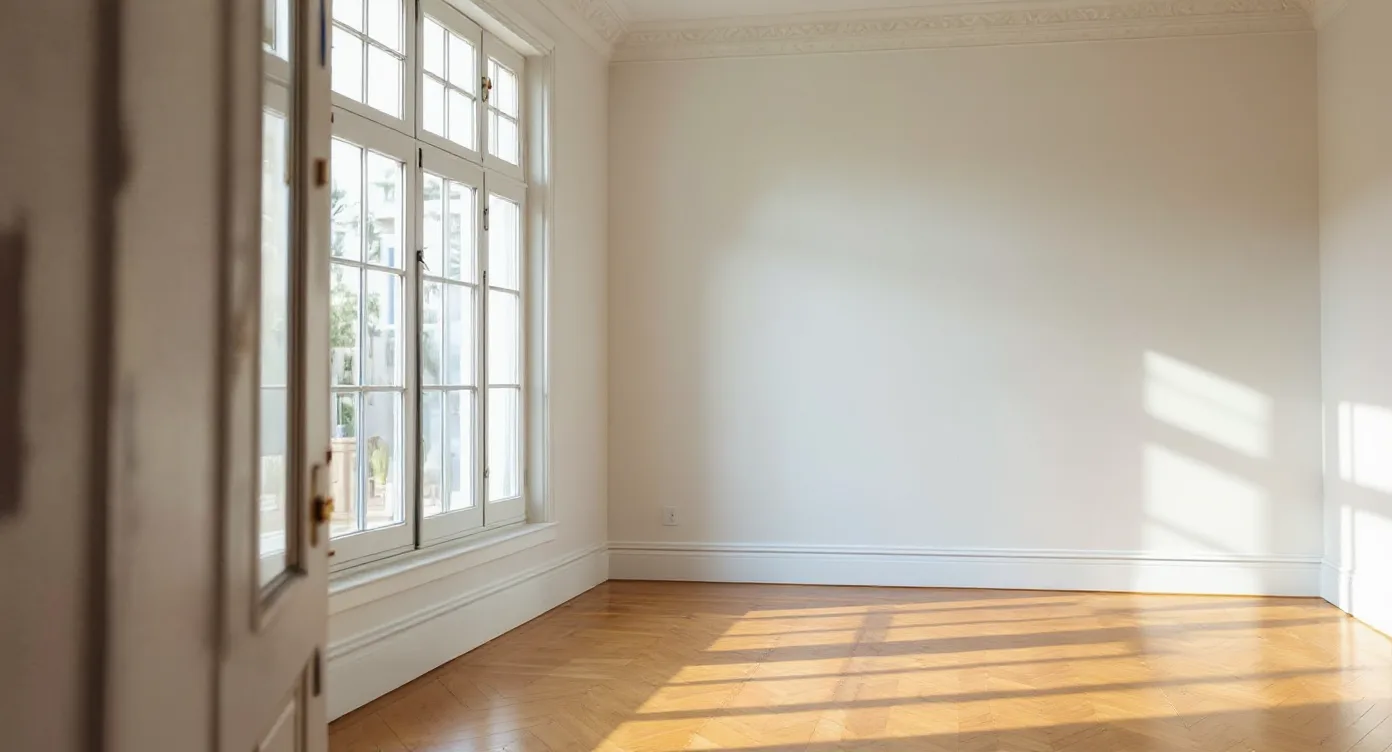
For most Melbourne homes, the Dulux line you need comes down to the job. Use Wash&Wear on interior walls and ceilings, Weathershield on anything outside, and Aquanamel on doors, trim and windows. The Renovation Range handles kitchen cabinets, laminate and tiles. Match the product to the surface and you’ll get a finish that actually lasts.
Want it painted for you? Modernize Solutions has painted Melbourne homes since 1987. Get a free written quote and we handle the prep, product and finish.
Key Takeaway
Wash&Wear is your interior wall paint, Weathershield protects everything outside, and Aquanamel is the water-based enamel for doors and trim. Use the Renovation Range only where normal paint won't stick, like melamine cabinets and tiles. Get the surface right first, because prep decides how long any Dulux coat lasts.
Dulux makes dozens of products, and the names blur together fast in the paint aisle. The good news is that for a normal house repaint, three lines cover almost everything, with a fourth for the tricky surfaces. Below is how we sort them on real jobs, what each one is built for, and where homeowners most often put the wrong paint on the wrong surface.
If you’re still deciding on a brand before you get to products, start with our Dulux vs Haymes comparison. This guide assumes you’ve landed on Dulux and now need to pick the right line within it.
Which Dulux paint goes on interior walls and ceilings?
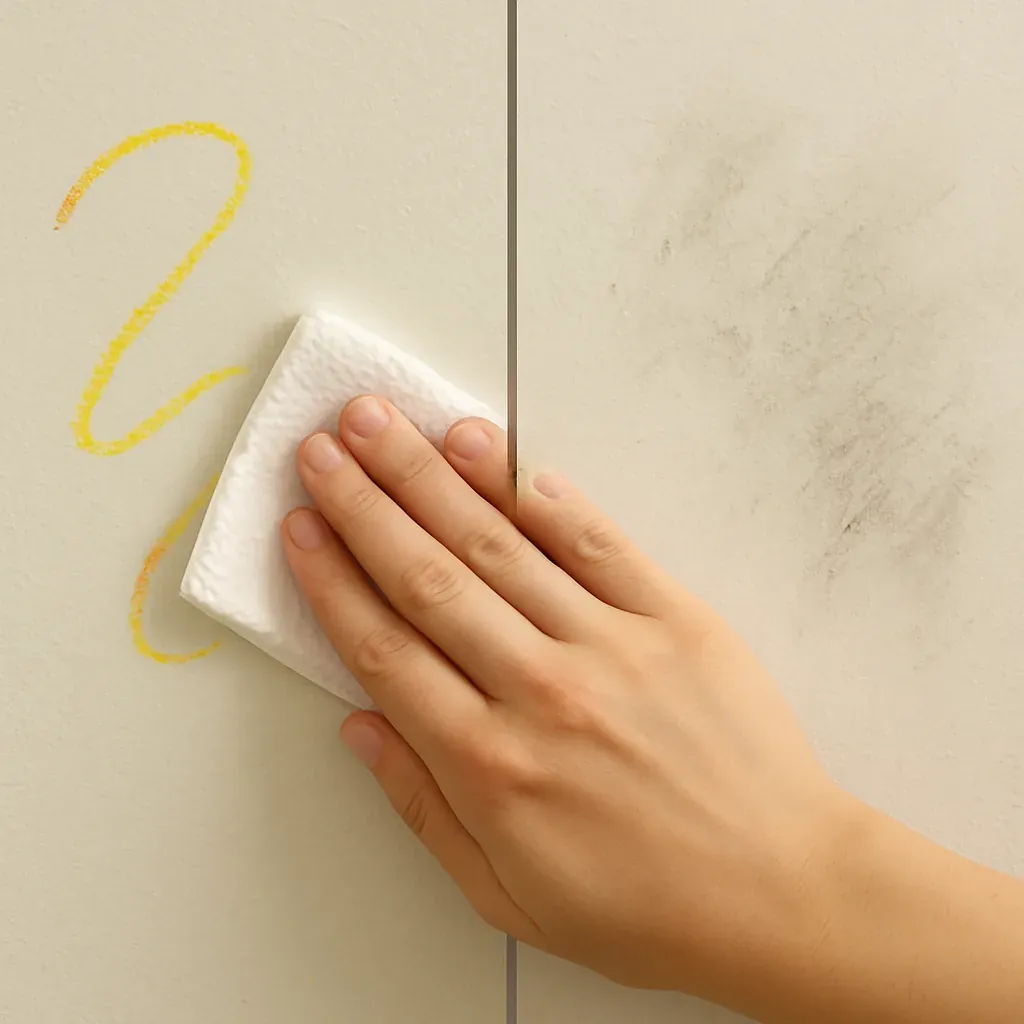
Use Dulux Wash&Wear for interior walls and ceilings in almost every Melbourne home. It’s the workhorse interior acrylic, built with Dulux 101 Barrier Technology so you can wipe most marks, scuffs and stains off with a damp cloth (Dulux, Wash&Wear Range, 2026).
That washability is the whole point. Wash&Wear is formulated for stain resistance and scrub resistance, it carries mould and mildew resistant technology, and the current formula is very low in VOCs, under 5g/L (Dulux, Wash&Wear Range, 2026). Low odour matters when you’re living in the house while it’s painted.
So which sheen on the walls? Across our own Melbourne jobs since 1987, low sheen is the safe default for living rooms, bedrooms and hallways. It hides minor wall imperfections far better than gloss while still wiping clean.
For high-traffic spots like a busy hallway or a kids’ room, the Wash&Wear +PLUS Anti-Scuff version is worth the upgrade. In bathrooms and laundries, step up to semi gloss or the +PLUS Anti-Bac finish, which both shrug off moisture and cleaning better than matt.
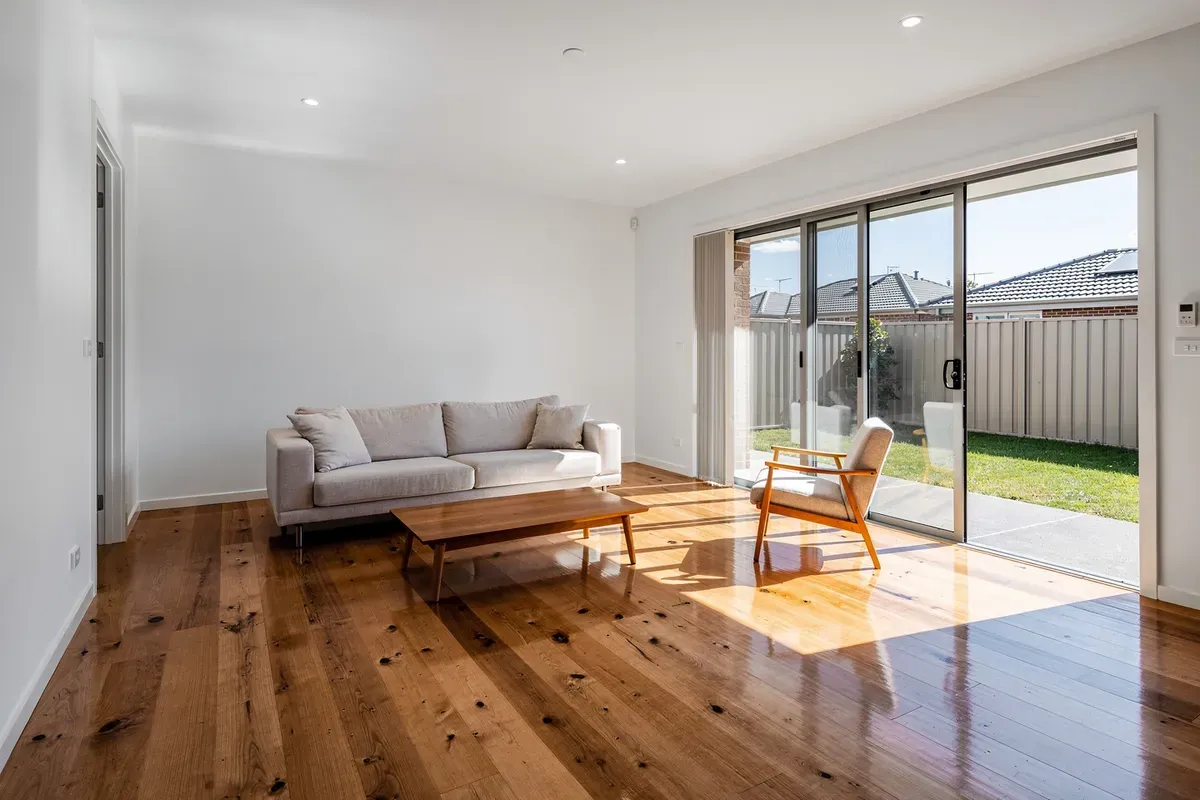
Ceilings are the one place we change tack. A dedicated flat ceiling white reduces glare and roller flashing overhead. For the full room-by-room rundown, see our complete guide to interior painting in Melbourne and our interior painting service.
What’s the best Dulux paint for exterior walls?
For anything outside, use Dulux Weathershield. It’s an exterior acrylic built with MaxiFlex Technology that expands and contracts with the surface, and Dulux guarantees it won’t peel, flake or blister for as long as you live in your home (Dulux, Weathershield Promise, 2026).
Melbourne weather punishes outside paint. One week is 38 degrees and the next is wind and rain off the bay. Weathershield is made for that, with resistance to colour fade, sheen loss, mould, algae and dirt, and it’s self-priming on most sound surfaces (Dulux, Weathershield Range, 2026).
What does that mean on the house? It covers weatherboard, brick, render and fibre cement, in matt, low sheen, semi gloss and gloss. Low sheen is the usual pick for walls because it hides surface texture, while semi gloss or gloss suits exterior timber trim and front doors.
Does a top coat alone make it last? No. On weatherboard around the bayside suburbs, where salt air and sun are brutal, we’ve watched cheaper exterior coatings chalk and fade years before a properly prepped Weathershield system. The flex and the prep are what hold a Melbourne exterior together.
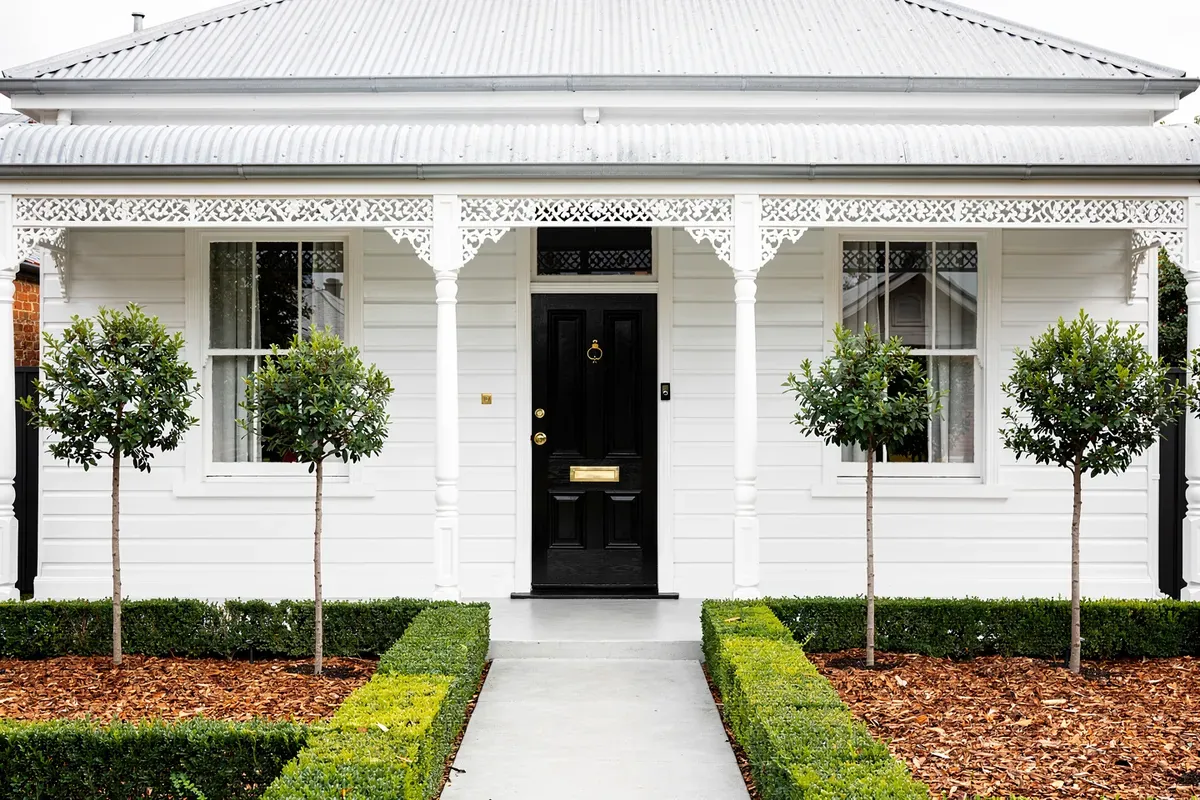
Bare timber, raw render and rust spots still need the right primer or sealer first, even though Weathershield self-primes elsewhere. For the bigger picture, see our exterior painting service.
Which Dulux paint should you use on doors, trim and windows?
Paint doors, trim and windows with Dulux Aquanamel. It’s a water-based enamel that dries to a hard, chip-resistant finish for doors, architraves, skirting boards and window frames (Dulux, Aquanamel, 2026).
The big advantage over the old solvent enamels is non-yellowing technology. White trim painted in Aquanamel stays white. It also dries fast, has low odour and cleans up with water, which makes it far easier to live with than oil-based gloss (Dulux, Doors, Windows and Trim, 2026).
Why does the colour staying true matter so much? We’ve repainted plenty of doors that someone did in old oil enamel years ago, and the moment fresh white trim goes in beside them, the yellowing jumps out. Water-based enamel fixes that for good.
Aquanamel comes in low gloss, semi gloss and gloss. Semi gloss is the most common choice for doors and trim because it’s tough, easy to wipe, and forgiving on slightly imperfect timber. It also suits the joinery in bathrooms, kitchens and laundries.
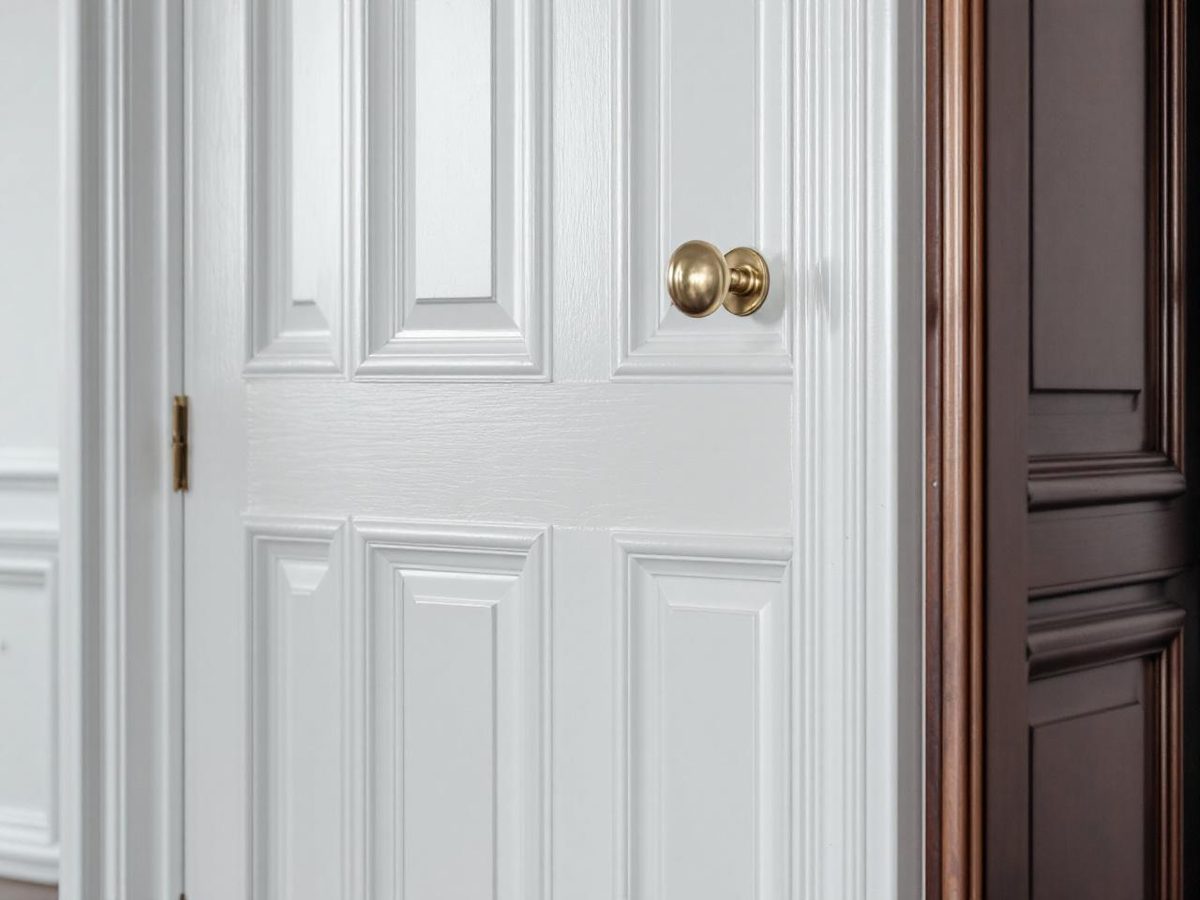
A quick rule of thumb: if it’s a wall, it’s Wash&Wear, and if it opens, closes or sticks out from the wall, it’s Aquanamel. Picking the finish? Our guide to the best paint finish for walls, kitchens and bathrooms breaks down sheen by room.
Where does the Dulux Renovation Range fit?
Reach for the Dulux Renovation Range only where normal paint won’t stick. It’s made for surfaces that defeat standard acrylics, like melamine and laminate cabinet doors, ceramic and porcelain tiles, PVC, vinyl and vacuum-formed benchtops (Dulux, Renovation Range Primer, 2026).
This is the line people most often get wrong. You can’t just brush Wash&Wear onto a laminate kitchen cabinet and expect it to hold. The Renovation Range Primer is the key step, because it’s engineered to grip those slick surfaces, and it’s essential before any topcoat goes on (Dulux, Renovation Range Primer, 2026).
What does the prep look like? Surfaces must be cleaned of all grease and grime, and laminate gets lightly abraded with a steel wool pad so the primer can bite. Skip that and the paint will peel.
Think of the Renovation Range as a niche tool, not a wall paint. It refreshes a tired kitchen, bathroom or laundry without a full rip-out. If you’re weighing that up, our Dulux Renovation Range guide for Melbourne homes goes deeper on what it can and can’t do.
How do you pick the right sheen or finish?
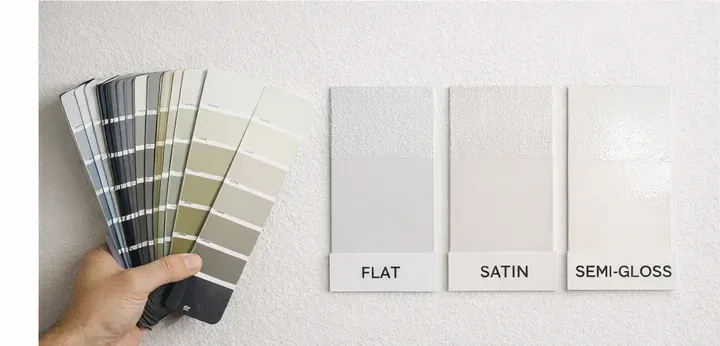
Sheen changes both the look and how easily the paint cleans. Higher gloss wipes down better and resists moisture, while flatter finishes hide wall flaws but mark more easily. That trade-off, not the colour, is what most homeowners underestimate.
Here’s the short version we give clients. Flat or matt suits ceilings and low-traffic walls where you want imperfections to disappear. Low sheen is the all-rounder for living areas and bedrooms. Semi gloss and gloss belong on trim, doors and wet-area surfaces that need regular cleaning.
Does a shinier wall always look better? Not in older Melbourne homes. The flatter the sheen, the more it forgives wavy plaster and patched cracks, which is why we rarely put gloss on a main wall.
Sheen choice also interacts with your brand decision. If you’re still comparing the two big Australian names on coverage and colour, our Dulux vs Haymes guide is the companion to this one. This post is about choosing the right Dulux line, that one is about choosing the brand.
Dulux product lines at a glance
Here’s the whole decision in one table. Match the row to your surface and you’ve got the right product and a sensible finish to start from.
| Dulux line | Best for | Surface | Finish options | Key strength |
|---|---|---|---|---|
| Wash&Wear | Interior walls and ceilings | Plasterboard, lined walls, render | Matt, low sheen, semi gloss, gloss | Washable 101 Barrier finish, very low VOC, mould resistant |
| Weathershield | Exterior walls and trim | Weatherboard, brick, render, fibre cement | Matt, low sheen, semi gloss, gloss | MaxiFlex flex, won’t peel, flake or blister guarantee |
| Aquanamel | Doors, trim and windows | Timber and primed joinery | Low gloss, semi gloss, gloss | Water-based enamel, non-yellowing, chip resistant |
| Renovation Range | Kitchens, cabinets, tiles | Melamine, laminate, tile, PVC, vinyl | Depends on product | Sticks to surfaces standard paint won’t, with its own primer |
Sources for this table: Dulux product pages, retrieved 2026-06-29 (linked in full below).
Which Dulux paint to use where
The simplest way to remember it: walls, weather, woodwork, and the odd-one-out. Walls inside take Wash&Wear, weather outside takes Weathershield, woodwork and joinery take Aquanamel, and slick surfaces like cabinets and tiles take the Renovation Range.
Put plainly, by job:
- Interior walls, ceilings, hallways, bedrooms: Dulux Wash&Wear (low sheen for most rooms)
- Bathrooms and laundries, walls: Wash&Wear semi gloss or +PLUS Anti-Bac
- Exterior walls, weatherboard, brick, render: Dulux Weathershield
- Doors, skirting, architraves, window frames: Dulux Aquanamel (semi gloss is the safe pick)
- Kitchen cabinets, laminate, tiles: Dulux Renovation Range, over its own primer
One thing the labels won’t tell you: the best paint in the world still fails on bad prep. We have an in-house team that never subcontracts, $20M public liability and 5.0 Star Reviews. Across more than three decades, the jobs that last are the ones where the surface was prepared properly before a drop of paint went on.
If you’d rather not pick products at all, that’s what we’re for. See how we work on our Melbourne house painters page.
Not sure which Dulux system your home needs?
We'll spec the right products and finishes for your walls, exterior and trim, and quote it in writing.
Frequently asked questions
Can you use Dulux Wash&Wear in a bathroom?
Yes, but pick the right finish. Wash&Wear in semi gloss, or the +PLUS Anti-Bac low sheen, handles steam and wiping better than matt, and both carry mould and mildew resistance (Dulux, Wash&Wear Range, 2026). For the door, window and trim in there, switch to Aquanamel for a harder, chip-resistant surface.
Do you need a primer with Dulux Weathershield?
Often not. Weathershield is self-priming on most sound, previously painted surfaces, so a separate primer isn’t always needed (Dulux, Weathershield Range, 2026). Bare timber, raw render, patched repairs and rusty metal are different. Those spots still need the right primer or sealer before topcoats, or the system won’t last.
Is Dulux Aquanamel better than oil-based enamel for doors?
For most homes, yes. Aquanamel is a water-based enamel that dries fast, cleans up with water and uses non-yellowing technology, so white doors and trim stay white (Dulux, Aquanamel, 2026). Old solvent enamels yellow over time. Some painters still pick oil for niche jobs, but water-based enamel suits everyday repaints.
What Dulux paint do you use on kitchen cabinets?
Use the Dulux Renovation Range, not Wash&Wear. Cabinet doors are usually melamine or laminate, and standard wall paint peels straight off them. The Renovation Range Primer is made to grip those surfaces, and it’s essential before the topcoat (Dulux, Renovation Range Primer, 2026). Clean and lightly abrade first.
Which Dulux paint lasts longest outside in Melbourne?
Weathershield. It’s built for exterior exposure with MaxiFlex Technology that moves with the surface, and Dulux guarantees it won’t peel, flake or blister for as long as you live in your home (Dulux, Weathershield Promise, 2026). It also resists mould, dirt and UV fade, which matters across Melbourne’s weather swings.
The bottom line
Picking the right Dulux paint isn’t complicated once you sort it by surface. Wash&Wear for interior walls, Weathershield for outside, Aquanamel for doors and trim, and the Renovation Range only where normal paint won’t grip. Choose the finish to match the room, and remember the paint is only ever as good as the prep underneath it.
If you’d rather hand the whole thing over, we’ve been doing exactly this on Melbourne homes since 1987. Get a free written quote and we’ll spec, prep and paint it for you.
Sources
- Dulux, Wash&Wear Range, retrieved 2026-06-29, https://www.dulux.com.au/paint/wash-and-wear/
- Dulux, Weathershield Range, retrieved 2026-06-29, https://www.dulux.com.au/paint/weathershield/
- Dulux, Weathershield Promise, retrieved 2026-06-29, https://www.dulux.com.au/about-us/weathershield-promise
- Dulux, Aquanamel, retrieved 2026-06-29, https://www.dulux.com.au/paint/aquanamel/
- Dulux, Doors, Windows and Trim, retrieved 2026-06-29, https://www.dulux.com.au/paint/doors-windows-and-trim/
- Dulux, Renovation Range Primer, retrieved 2026-06-29, https://www.dulux.com.au/paint/renovation-range/renovation-range-primer/
Rather have a professional handle it?
Free on-site inspection and a fixed-price written quote, no obligation. Painting Melbourne homes since 1987.
Related service: Interior painting.
We paint across West Melbourne, Parkville, Flemington, Kingsville, Strathmore, Aberfeldie and more, see our painting services in Craigieburn, or the house painters in Melbourne families have trusted since 1987.