Losing the paint code for a colour on your wall is more common than most homeowners expect, tins get thrown out, labels fade, and the original receipt is long gone. The good news is that matching an existing paint colour without the original details is a routine job for any Melbourne paint supplier, as long as you can provide a decent sample.
Key takeaway
A physical paint chip, even a small one, gives the most accurate colour match. A well-lit photo is a workable backup. Either way, test the matched colour on a small area before committing to a full touch-up or repaint.
How do you match a paint colour without the original tin or code?
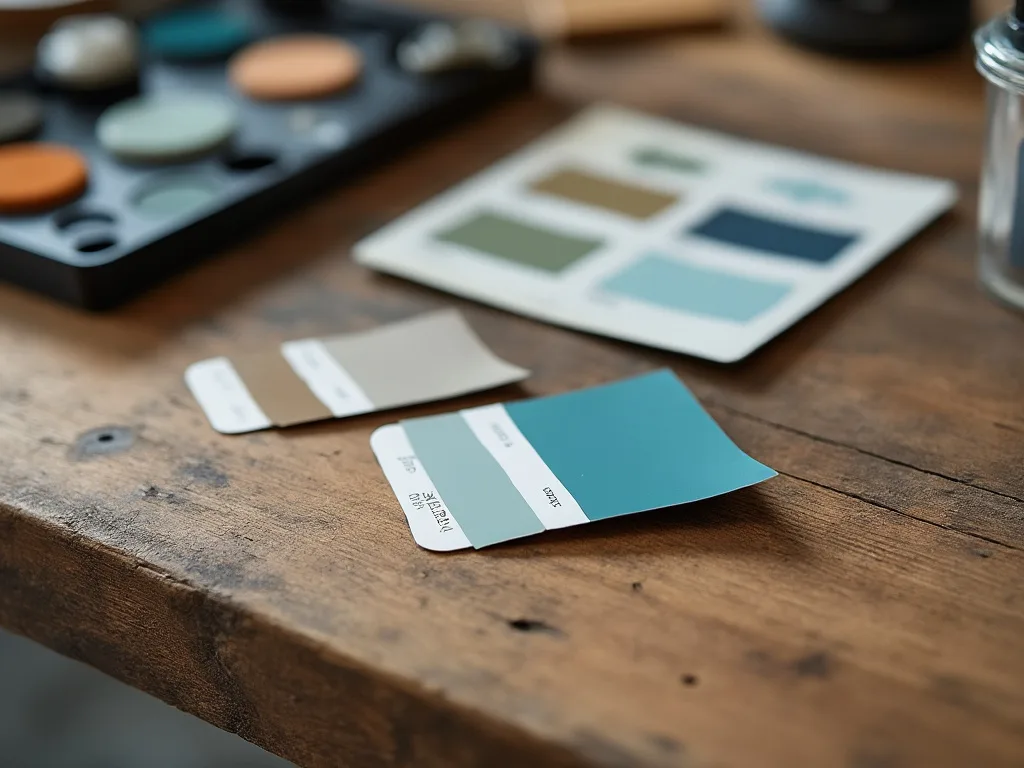
Take a small physical sample of the painted surface into a Dulux or Haymes trade store, where a colour-matching machine reads the exact pigment formulation and produces a matching tin. This is the most reliable method and doesn’t require you to know the brand, product line, or colour name of the original paint.
Good sample sources around a typical home:
- A chip from a skirting board, architrave, or door frame, anywhere a small piece can be removed without being noticeable
- A section of cornice or ceiling that’s already been damaged
- The inside of a cupboard or wardrobe where the wall colour continues but is less visible
- A paint can lid or a leftover offcut, if you happen to have kept one in the shed
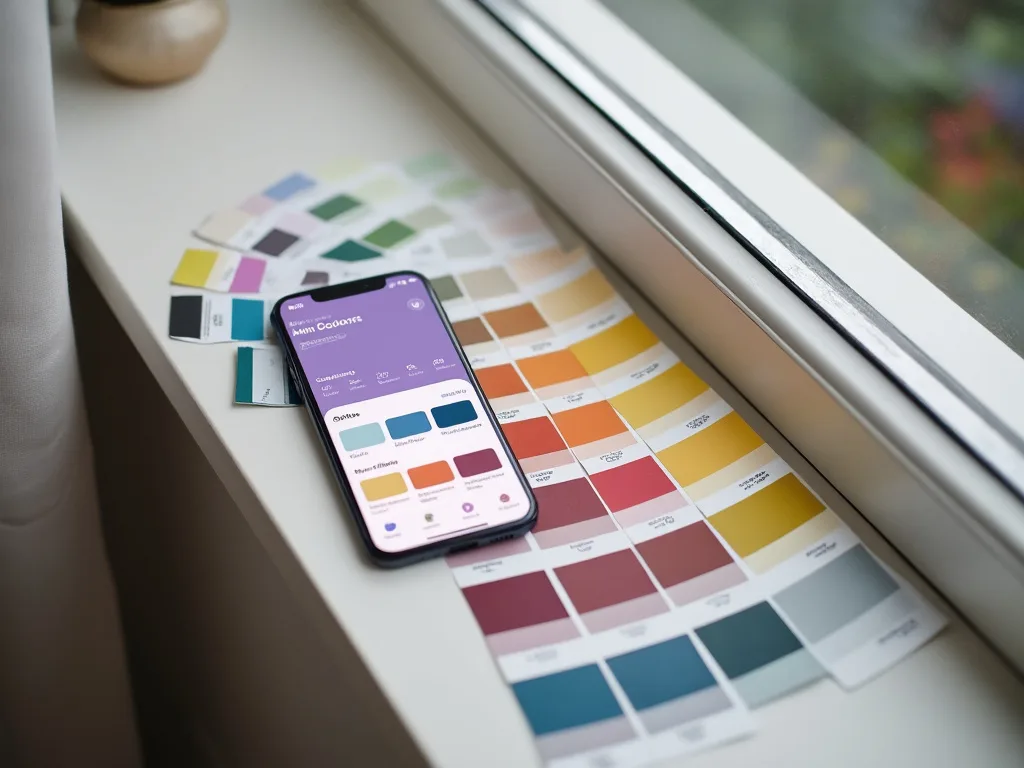
Can you colour match from a photo instead of a physical sample?
Yes, but a photo is less accurate than a physical sample, since screen and camera colour reproduction varies and can shift the true colour. If a physical chip genuinely isn’t available, take the photo in bright, indirect natural daylight, avoid direct sun, shadows, and artificial lighting, all of which distort the colour the camera captures. Fill the frame with just the painted surface, with no other colours in shot to confuse the match.
Most Melbourne paint suppliers can still produce a workable match from a good photo, but it’s worth testing a small patch before committing to a full wall or a visible touch-up area.
Why might a colour-matched paint still look slightly different?
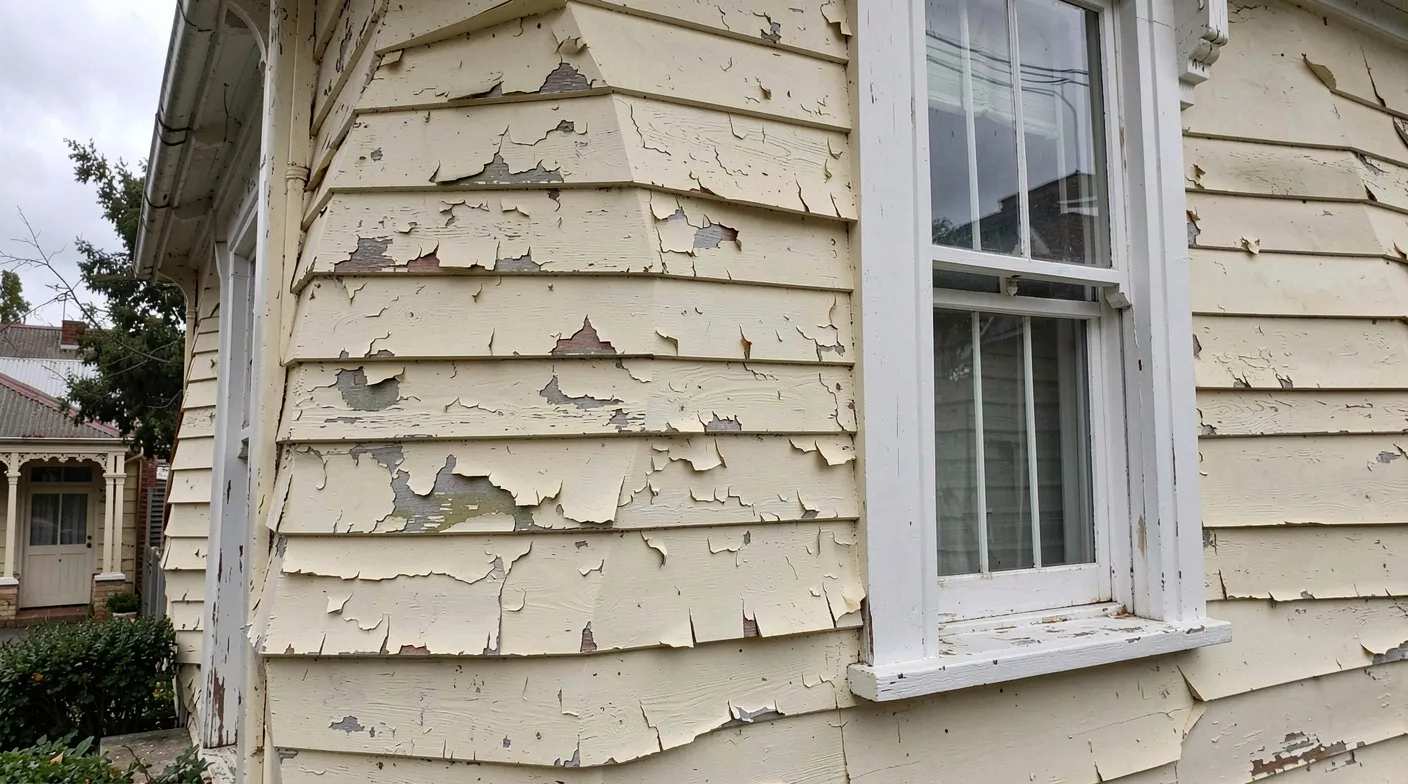
Paint fades and changes sheen over time from UV exposure and general wear, so even a perfectly matched fresh colour can look subtly different next to an aged wall, especially in bright daylight. This is more noticeable on semi-gloss and gloss finishes, which show sheen differences more than flat or low-sheen paint. It’s part of why a full wall repaint almost always blends better and looks more finished than a small patch touch-up on paintwork that’s a few years old.
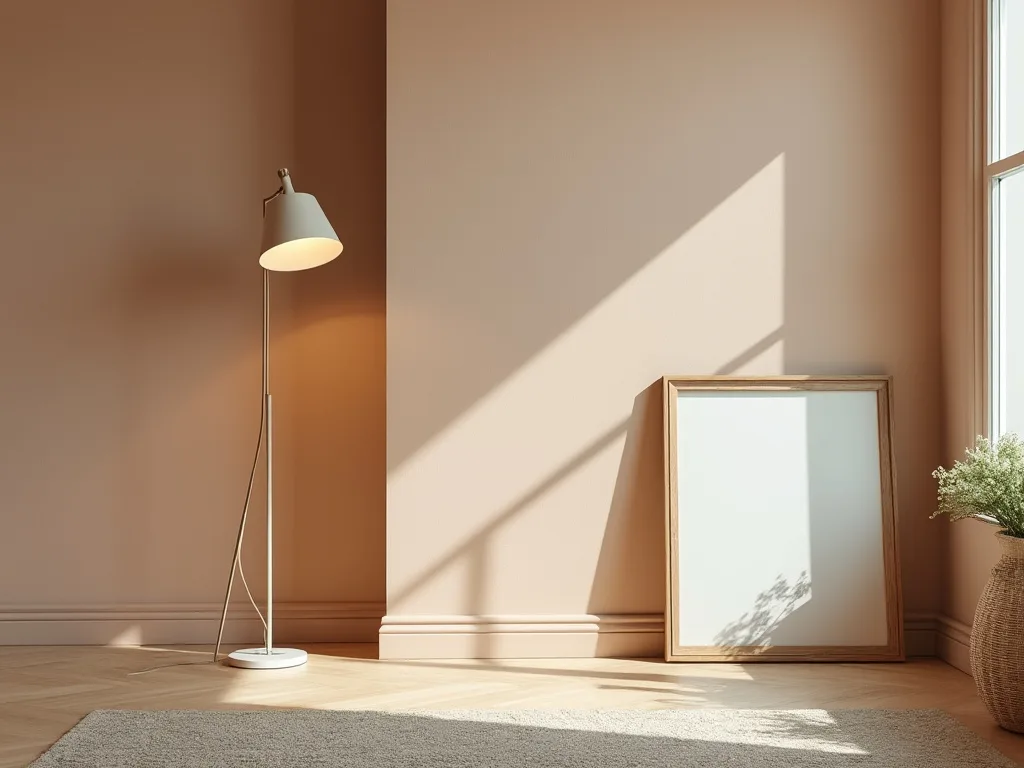
If the mismatch is subtle, feathering the new paint out toward a natural break point (a corner, a window frame) rather than stopping mid-wall helps disguise any slight variation.
When is it better to repaint the whole wall instead of touching up?
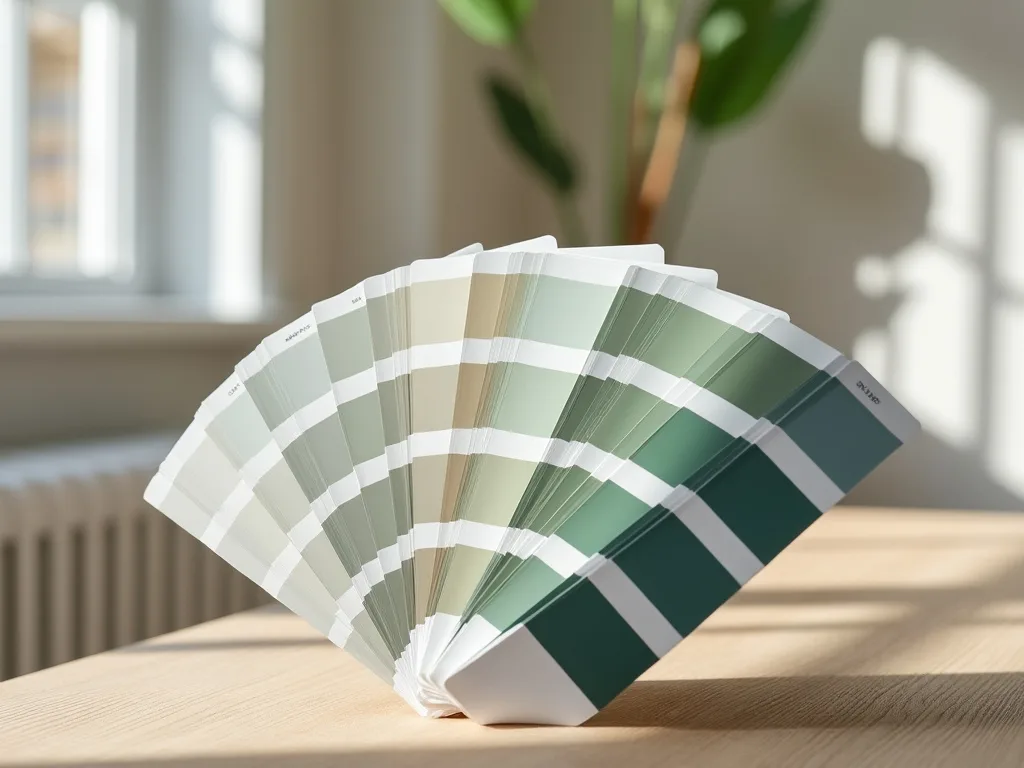
If the existing paint is more than two to three years old, has visible fading, or the damaged area is large or in a high-visibility spot, a full wall repaint usually gives a better result than a patch touch-up, even with a good colour match. Small, recent touch-ups in low-visibility areas are the best candidates for a colour-match patch job. For anything larger or more visible, see our guide on choosing paint colours if you’re open to refreshing the whole room rather than chasing an exact match.
Frequently asked questions
Can a paint shop match a colour without the original tin?
Yes. Most Dulux and Haymes trade stores can colour-match from a small physical sample of the painted surface, a paint chip, a piece of skirting board, or even a photo taken in good natural light, though a physical sample is always more accurate than a photo alone.
How do I take a paint sample for colour matching?
Remove a small piece of the painted surface if possible (a chip from a skirting board, a broken piece of cornice, or a swatch cut from behind a power point cover), at least the size of a 20-cent coin. If removing a physical sample isn’t possible, a photo taken in bright natural daylight, avoiding shadows and reflections, is the next best option.
Will a colour-matched paint be an exact match?
A professional in-store colour match is usually very close, but factors like paint age, fading, and the original product’s exact formulation can mean a subtle difference is still visible under close inspection, particularly in bright daylight. For a full wall repaint this is rarely noticeable, but for a patch touch-up on an aged wall it’s worth testing a small area first.
Why does my touch-up paint look different even though it’s the same colour?
Paint sheen changes slightly over time due to UV exposure, cleaning, and general wear, so even an exact colour match can look slightly different in sheen or finish on an aged wall next to a fresh patch. This is more visible on semi-gloss and gloss finishes than on flat or low-sheen paint, and it’s why full-wall repaints blend better than small touch-ups on older paintwork.
Rather have a professional handle it?
Free on-site inspection and a fixed-price written quote, no obligation. Painting Melbourne homes since 1987.
Related service: Interior painting.
We paint across Brunswick, Essendon, Richmond, Williamstown, Yarraville, Newport and more, see our painting services in Moonee Ponds, or the house painters in Melbourne families have trusted since 1987.