Painting over mould does not fix it. Paint sits on top of living spores and they grow straight back through the new coat, usually within weeks in a damp Melbourne bathroom or south-facing room. To make it last you have to do three things in order: clean the mould off, kill the spores left in the surface, and fix the moisture that caused it. Paint is the last step, not the solution.
This is the single most common shortcut we see on Melbourne repaints, and the most expensive one to undo. A homeowner rolls a fresh white coat over a spotted ceiling, it looks great for a fortnight, then the dark patches bleed back through. Below is how a professional handles it, and how to tell when it is a job for a pro rather than a Sunday afternoon.
Why does mould come back when you just paint over it?
The short answer: paint hides mould, it does not kill it. Mould is a living organism with roots (hyphae) that sit in and under the surface. A coat of paint smothers the visible growth but the spores stay alive in the substrate, and they push back through the soft, damp paint film as they grow.
Two things make it worse in Melbourne homes. First, the climate. Cool, wet winters and big day-to-night temperature swings mean walls and ceilings stay cold while warm, moist air condenses on them. That condensation is exactly what mould feeds on. Second, paint film is porous and slightly damp itself for days after application, which gives returning mould an easy path through.
So the new paint becomes part of the problem. You have spent the time and money, and within a month or two the patches reappear, often darker than before because the conditions never changed.
How do professionals treat mould before painting?
The short answer: clean it, kill it, dry it, then deal with the moisture source before any paint goes on. The order matters. Skip a step and the job fails.
Here is the process we follow on a mouldy interior surface.
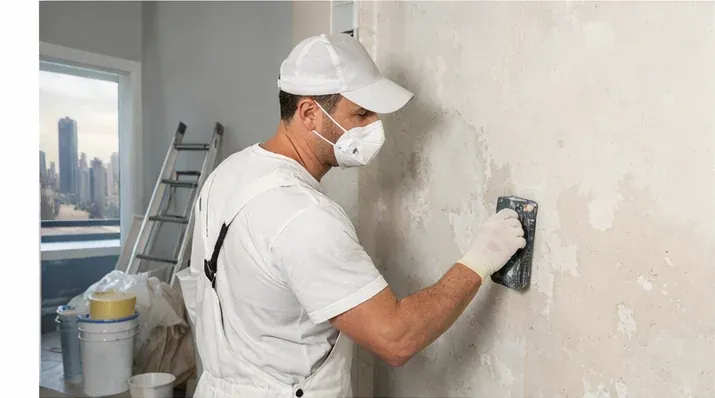
- Protect the area and yourself. Mould spores become airborne the moment you disturb them. We mask off the room, open it up for ventilation, and wear gloves and a respirator. This is not optional, breathing in spores is a genuine health risk, especially for anyone with asthma.
- Clean off the visible growth. The bulk of the mould comes off with detergent and warm water and a scrub. This physical removal does most of the work. Dry-brushing or sanding mould while it is dry just throws spores into the air, so it goes on wet.
- Treat the surface to kill the spores. Once cleaned, the surface is treated with a mould-killing solution (a diluted bleach mix or a dedicated commercial mould wash) and left to sit so it actually works, then rinsed and wiped back.
- Dry it completely. Mould-killing treatment and paint both need a fully dry surface. In a cold, damp Melbourne winter that can mean leaving the room open with airflow for a day or more. Painting onto a surface that is still damp traps moisture and invites the mould straight back.
- Fix the moisture source. This is the step most DIY jobs skip, and it is the one that decides whether the result lasts. A leaking shower seal, a weak or missing exhaust fan, blocked weep holes, poor sub-floor ventilation, or simply a room with no airflow will keep feeding mould no matter what you paint with.
- Prime, then paint. A stain-blocking primer stops any remaining staining bleeding through, and a quality topcoat (a mould-resistant interior paint in wet rooms) goes on last. Good preparation underneath is what makes the coat last, the same principle covered in our guide on how to prepare walls for painting.
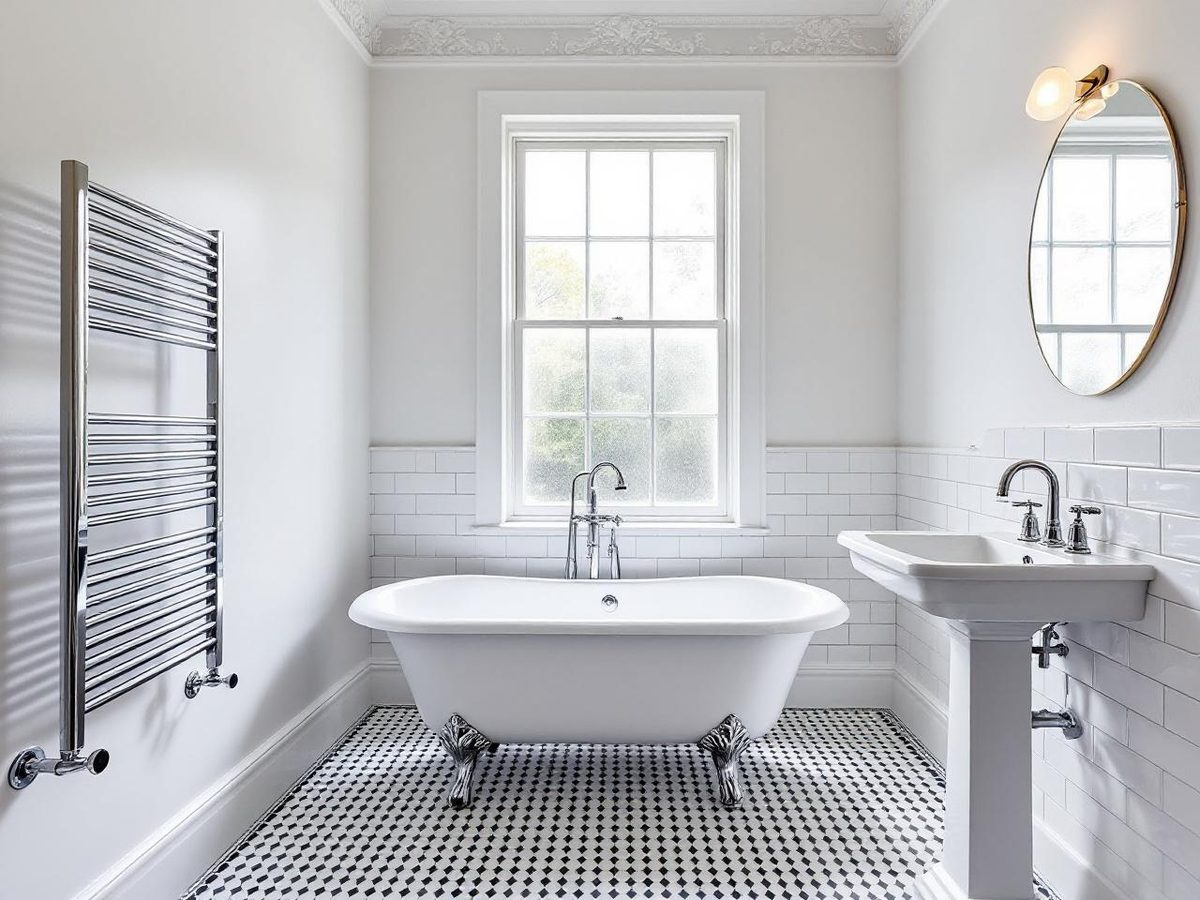
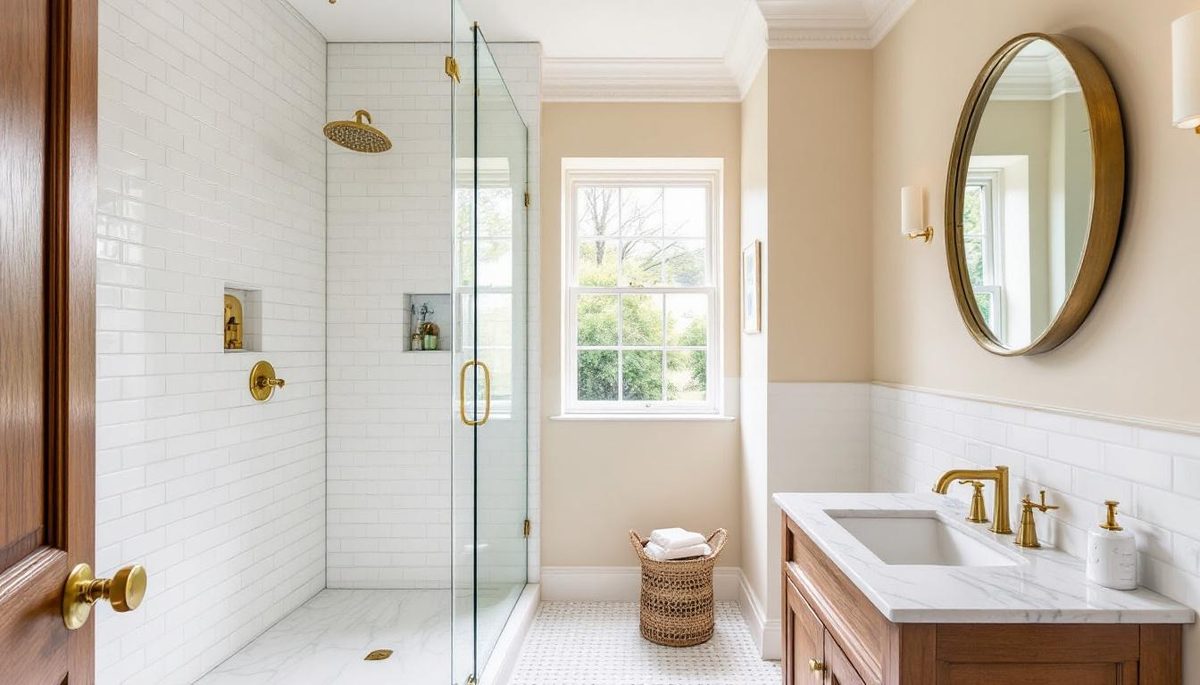
A bathroom repaint in Essendon. In wet rooms the mould treatment and the right finish matter more than the colour.
What products actually work on mould?
The short answer: a cleaning agent to remove it, a mould-killing treatment to kill what is left, a stain-blocking primer, and a mould-resistant topcoat in wet areas. No single product does all four jobs.
- Cleaning: Sugar soap or a strong detergent removes the visible growth and grease that mould clings to. This is the workhorse step.
- Mould treatment: A diluted bleach solution or a purpose-made mould wash kills the spores in the surface. Follow the dilution and dwell time on the label, more is not better and bleach straight from the bottle can damage paintable surfaces.
- Stain-blocking primer: Mould and water leave tannin and dark stains that ordinary paint cannot cover. A stain-blocking sealer locks them in so they do not bleed through your topcoat.
- Mould-resistant topcoat: For bathrooms, laundries, and kitchens we use a Dulux interior system suited to wet areas, with additives that resist mould on the paint film. We use Dulux systems on every project, no budget substitutes, because cheaper paints in wet rooms simply do not hold up.
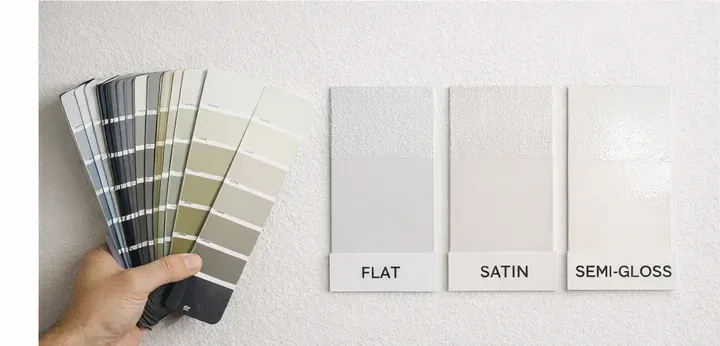
A mould-resistant paint is a useful second line of defence, not a magic fix. If you paint it straight over live mould or leave the moisture problem unsolved, it will fail like any other coat. For more on matching the finish to the room, see our guide on the best paint finish for kitchens and bathrooms.
Why is mould so common in Melbourne homes?
The short answer: Melbourne’s damp, cool winters and a lot of older, poorly ventilated housing stock. The two combine to keep interior surfaces wet long enough for mould to take hold.
Bathrooms and laundries are the usual suspects, but we also see it on bedroom ceilings, behind wardrobes against external walls, and in south-facing rooms that get little sun. Condensation is the driver. Warm, moist air from showers, cooking, and even drying clothes indoors hits a cold wall or ceiling and turns to water. Without airflow or an effective exhaust fan, that moisture lingers for hours.
Older homes make it worse. Many Melbourne weatherboards and period brick homes were built with little thought for ventilation, and modern draught-proofing has sealed them up tighter than ever. Rising damp, failed shower seals, and blocked sub-floor vents all add to the load. This is why the moisture fix in step five is so important, in a Melbourne home the conditions that grow mould are usually built in, not occasional.
When does mould need a professional?
The short answer: when it is widespread, keeps returning, comes with a leak or damp smell, or could be a health risk. Small surface spots in a well-ventilated room are a reasonable DIY job. Anything beyond that is worth a professional eye.
Call a painter or remediation specialist when:
- The affected area is roughly a square metre or larger.
- The mould keeps coming back after you have cleaned and painted it, that points to a moisture problem that needs diagnosing.
- It is on a high ceiling or hard-to-reach wall where disturbing it safely is difficult.
- There is a musty smell, bubbling paint, or staining that suggests a hidden leak or rising damp.
- The mould has soaked into plasterboard. Saturated, mouldy board usually needs cutting out and replacing, not painting.
- Anyone in the home has asthma, allergies, or a weakened immune system. Do not disturb the mould yourself.
A professional brings the right protective gear, knows how to treat the surface without spreading spores through the house, and, most importantly, can identify and address the moisture source so the repaint actually lasts.
How Modernize Solutions handles mould
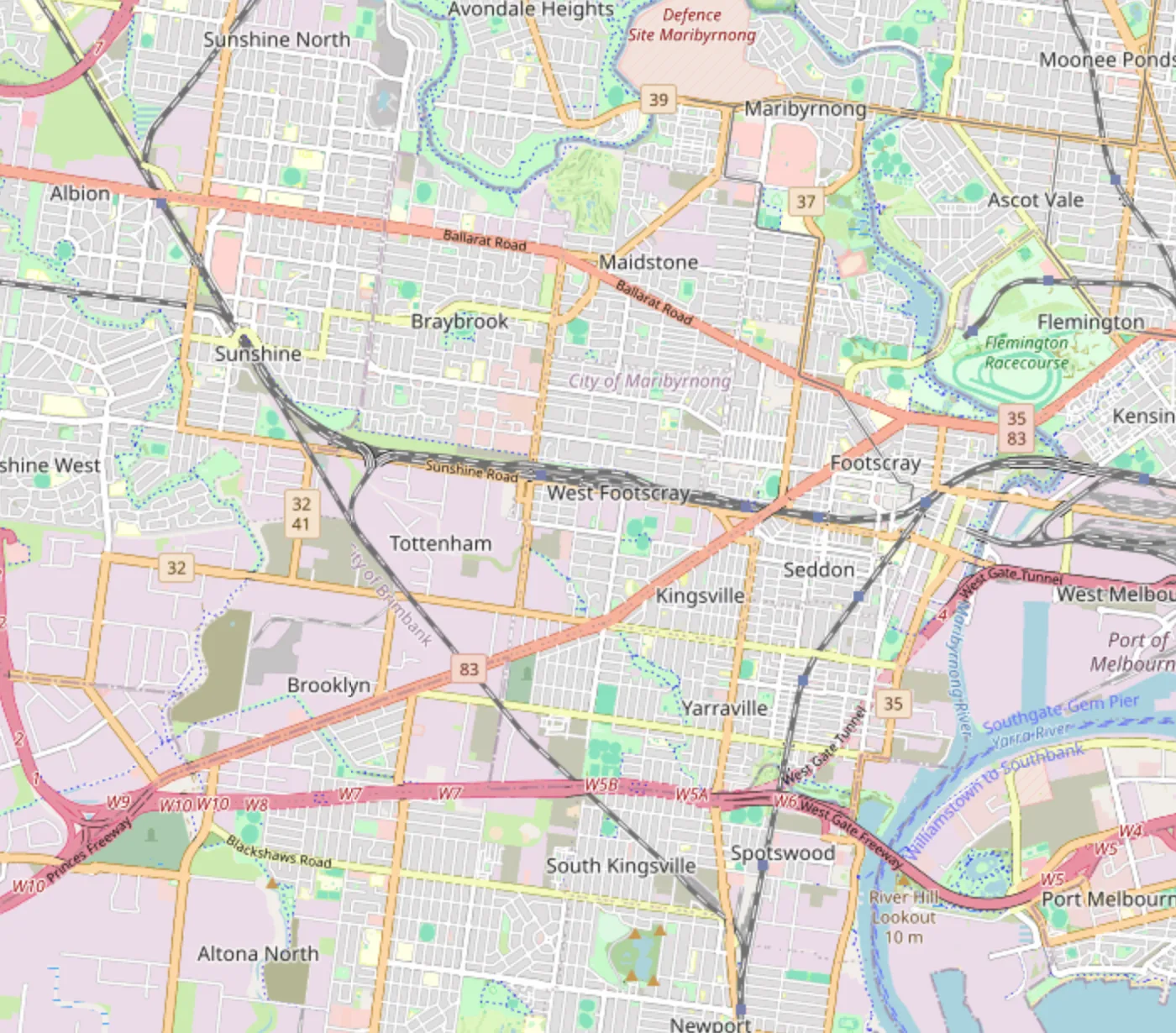
We have been painting Melbourne homes since 1987, across the western suburbs, inner north, inner east, and bayside, and damp, mould-prone rooms come with the territory. When we quote an interior repaint, we inspect for mould, water staining, and the moisture source behind it, then build the treatment into the scope rather than painting over the problem and hoping.
For mould driven by exterior issues, failed seals, blocked weep holes, or weatherboards letting water in, we look at the outside of the home too, which is where our exterior painting work comes in. The fix is often a combination of the two.
We use Dulux systems on every project, carry $20M public liability, and our work is rated 5.0 Star Reviews. If mould keeps coming back no matter how many times you paint over it, that is exactly the problem we are set up to solve properly. Call 0433 803 841 or request a free quote online and we will inspect it in person.
Frequently asked questions
Can I just paint over mould on my bathroom ceiling?
No. Paint does not kill mould, it only hides it for a few weeks. The spores keep living under the new coat and grow back through it, often within a month or two in a damp Melbourne bathroom. You have to clean the mould off, treat the surface so the spores are dead, and fix whatever is keeping the area wet. Only then does paint last.
Does anti-mould paint stop mould coming back?
Anti-mould or mould-resistant paint helps, but it is not a cure on its own. These paints contain additives that slow mould growth on the paint film. They do nothing for the spores already in the surface and nothing about the moisture causing the problem. If you skip the cleaning and the ventilation fix, mould will return even under a mould-resistant coat. Treat the cause first, then use the paint as a second line of defence.
What kills mould on walls before painting?
After cleaning the visible growth off with detergent and water, most surfaces are treated with a diluted bleach solution or a dedicated mould-killing wash, left to work, then rinsed and dried fully. The cleaning physically removes the bulk of it, the treatment kills what is left in the surface. Always ventilate the room and wear gloves and a mask. On large or deep infestations this is a job for a professional rather than a kitchen-cupboard fix.
Why does mould keep coming back in my Melbourne bathroom?
Because the moisture source is still there. Melbourne’s cool, damp winters mean bathrooms, laundries, and south-facing rooms hold humidity for hours after a shower. If the exhaust fan is weak or missing, or the room has no airflow, water sits on the cold ceiling and walls and feeds the mould. Better ventilation, an effective exhaust fan, and quick drying of wet surfaces matter more than any paint.
When should I call a professional for mould before painting?
Call a professional when the mould covers a large area (roughly a square metre or more), keeps returning after you have cleaned it, sits on a ceiling or high wall, or comes with a musty smell and signs of a leak or rising damp. Black mould that has soaked into plasterboard usually means the board needs replacing, not painting. If anyone in the home has asthma or a breathing condition, do not disturb it yourself.
Rather have a professional handle it?
Free on-site inspection and a fixed-price written quote, no obligation. Painting Melbourne homes since 1987.
Related service: Interior Painting
Walls, ceilings, doors and trim painted room by room, with full prep and Dulux finishes.
Learn more about our Interior Painting service →Painters in Maribyrnong
Professional painters in Maribyrnong. Riverside townhouses, post-war brick homes and Edwardian weatherboards. Premium Dulux finishes. Free quotes.
Painting services in Maribyrnong →Painters in your area
Right across the city, we are the house painters in Melbourne families have trusted since 1987.

Owner & Lead Painter, Modernize Solutions · Painting Melbourne homes since 1987