When a Melbourne home needs both interior and exterior painting, the general rule is to paint the exterior first if the paint is visibly failing, peeling, cracking, or chalking, because exterior paint protects the home’s structure from moisture and UV damage. Paint the interior first if both are in reasonable condition and the improvement is purely cosmetic. Modernize Solutions recommends combining both as a single project where budget allows, as this typically saves 10–15% compared to separate bookings.
When your whole house needs painting, the first question is always the same: do I start inside or outside? The answer depends on urgency, budget, timing, and what you are trying to achieve. This guide gives Melbourne homeowners a clear decision framework, not a generic “it depends”, so you can prioritise the right project and get the best return on your investment.
What is the short answer on which to paint first?
Paint the exterior first if it is visibly failing, peeling, cracking, or chalking, because exterior paint protects your home’s structure from moisture, UV, and weather damage that costs far more to repair than the paint job itself.
Paint the exterior first if the paint is visibly failing, peeling, cracking, or chalking. Exterior paint is not just cosmetic; it is your home’s primary defence against moisture, UV, and weather. Once exterior paint fails, water gets into timber and substrates, causing rot and structural damage that costs far more to fix than the paint job itself.
Paint the interior first if it is purely cosmetic and the exterior is still protecting the home. Faded or dated interior colours are an aesthetic issue, not a structural one. The interior can wait if the exterior cannot.
If both are in similar condition, the decision comes down to timing, budget, and purpose, which we cover below.
When can exterior painting not wait?
Exterior paint failure is a structural problem, not just a visual one, when paint peels or cracks on weatherboard, rendered, or timber surfaces, the exposed material absorbs moisture that can cause rot within a single Melbourne wet season.
Exterior paint failure is a structural problem, not just a visual one. When paint peels or cracks on weatherboard, rendered, or timber surfaces, the exposed material absorbs moisture. In Melbourne’s climate, where rain, humidity, and temperature swings are constant, unprotected timber can begin rotting within a single wet season. If your exterior needs urgent attention, our exterior painting Melbourne service covers every cladding type across the city.
Signs your exterior needs urgent attention
- Paint is peeling, flaking, or lifting away from the surface
- Chalking, a powdery white residue when you run your hand across the paint
- Bare timber visible where paint has worn completely through
- Cracking or alligatoring patterns in the paint film
- Mould or mildew growth on shaded walls
- Timber feels soft or spongy when pressed, this indicates rot has already started
If you see any of these signs, the exterior should be your first priority regardless of the interior condition.
According to the CSIRO, Melbourne receives an average annual rainfall of approximately 650mm, with the wettest months between May and October. Unprotected exterior timber exposed to this moisture cycle can begin showing early signs of rot within a single wet season, making timely exterior repainting a structural maintenance priority rather than a cosmetic choice.
Key takeaway: Exterior paint failure is a structural problem, peeling or cracking paint allows moisture into timber and substrates, causing rot that costs far more to repair than repainting. Always prioritise the exterior if paint is visibly failing.
What exterior painting involves
A full exterior repaint in Melbourne typically includes:
- Pressure washing all surfaces to remove dirt, mould, and loose paint
- Scraping and sanding all areas of paint failure
- Filling gaps, cracks, and nail holes with flexible exterior filler
- Spot-priming bare timber and repaired areas
- Two full topcoats of premium exterior paint such as Dulux Weathershield
- Masking and protection of windows, paths, and garden beds
Exterior painting costs
| Home type | Exterior cost |
|---|---|
| 3-bed weatherboard | $12,000–$20,000 |
| 3-bed brick veneer (trim only) | $3,000–$7,000 |
| 3-bed rendered home | $6,000–$12,000 |
| Heritage Victorian/Edwardian | $15,000–$35,000 |
All prices include labour, preparation, and two coats. Paint materials are additional unless specified.
Best time for exterior painting
Exterior painting in Melbourne is weather-dependent. The ideal conditions are temperatures between 10°C and 35°C with humidity below 85%. According to Bureau of Meteorology Melbourne climate data, autumn (March to May) and spring (September to November) offer the most consistent painting weather. Summer is workable but extreme heat can cause paint to skin over before it bonds properly, and winter rain creates frequent delays.
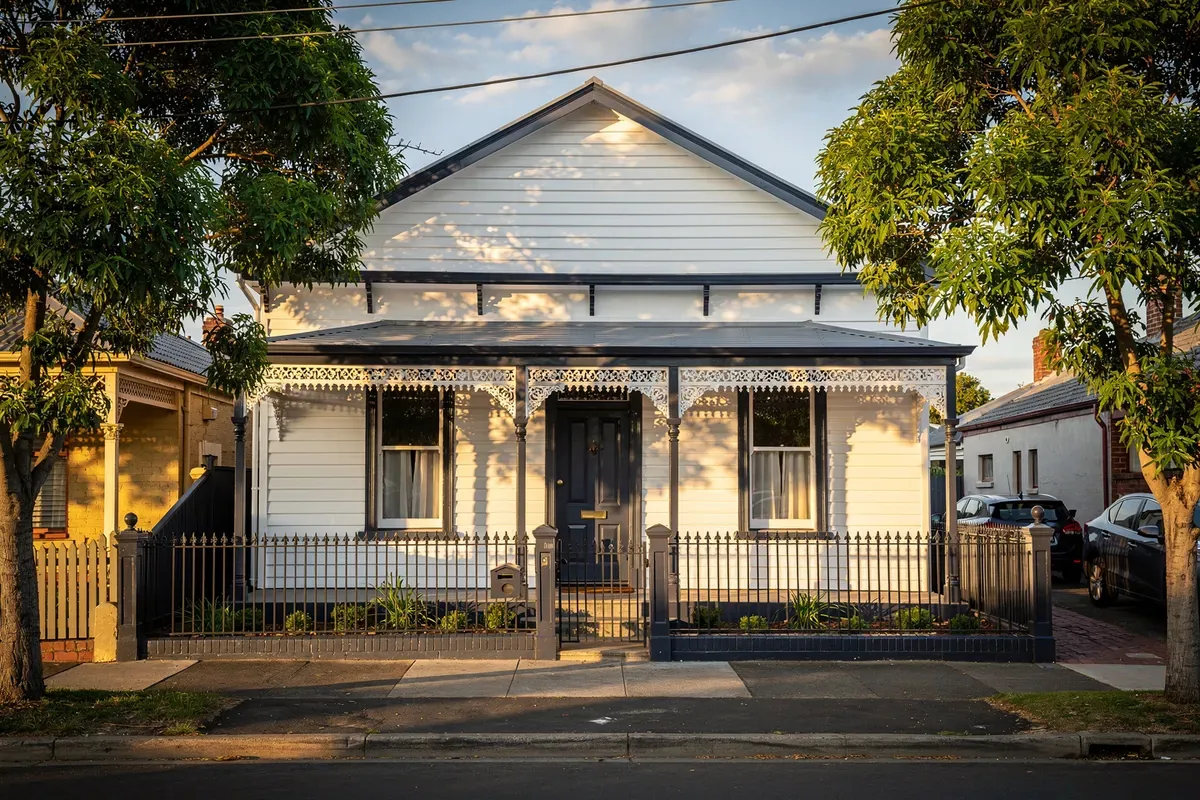
A fully repainted weatherboard exterior, the kind of structural protection that prevents moisture damage and rot.
When does interior painting make sense first?
Interior painting is almost always cosmetic, unless you have water damage, mould, or smoke-stained walls, the interior is not deteriorating the way an exposed exterior does, so it can usually wait.
Interior painting is almost always cosmetic. Unless you have water damage, mould, or smoke-stained walls, the interior is not deteriorating in the way an exposed exterior does. This means the interior can usually wait, but there are situations where it should come first.
When to prioritise the interior
- The exterior is still in good condition, If the exterior paint is sound and protecting the home, there is no urgency. Start inside where you will enjoy the improvement daily.
- You are living in the home during renovations, Interior painting refreshes your day-to-day living environment immediately. If you have recently renovated the kitchen or bathroom, painting those rooms brings the whole space together.
- Selling the home in the next 3–6 months, Buyers walk through the interior. Fresh, neutral walls and clean trim make every room feel larger and better maintained. Interior painting delivers a higher perceived ROI on a per-dollar basis than exterior work for pre-sale homes.
- Winter timing, Interior painting is not weather-dependent. If your project falls in Melbourne’s winter months (June to August), interior work can proceed on schedule while exterior painting would face constant rain delays.
What interior painting involves
A full interior repaint typically includes:
- Moving furniture to the centre of each room
- Floor and furniture protection with drop sheets
- Filling small holes, cracks, and imperfections
- Sanding and spot-priming repaired areas
- Two coats of premium interior paint such as Dulux Wash&Wear on walls
- Ceiling painting with a flat ceiling white such as Dulux Ceiling White
- Enamel painting on doors, skirting boards, and architraves where specified
Interior painting costs
| Scope | Cost |
|---|---|
| Single bedroom (walls, ceiling, trim) | $650–$950 |
| Full 3-bed interior (all rooms) | $8,000–$15,000 |
| Kitchen or bathroom only | $500–$900 |
| Whole house interior + enamel on all trim | $12,000–$20,000 |
See our full room-by-room cost breakdown for detailed pricing by room type.
Key takeaway: Interior painting costs $8,000–$15,000 for a full 3-bedroom Melbourne home and is not weather-dependent, making winter an ideal time to schedule interior work while waiting for spring conditions for the exterior.
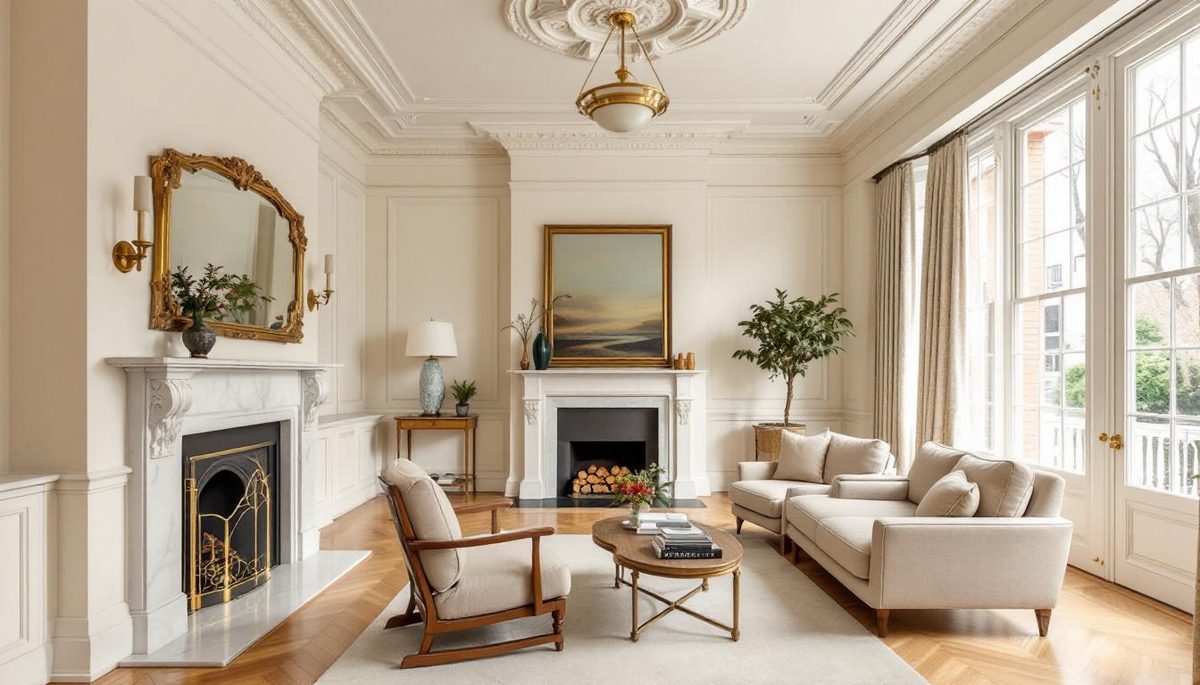
A freshly painted Edwardian living room, interior painting refreshes your daily living environment and adds immediate visual impact.
How do you decide which to paint first?
Use this decision framework to prioritise based on your specific situation, structural protection comes first, followed by sale preparation, budget constraints, and seasonal timing.
Use this framework to decide which to do first based on your specific situation.
Priority 1: structural protection
If the exterior paint is failing and moisture is reaching the substrate, paint the exterior first. The cost of timber rot repair or render remediation from water ingress far exceeds the cost of repainting. This is not optional, it is maintenance.
Priority 2: selling the home
If you are preparing to sell, prioritise based on first impressions. The exterior creates street appeal and sets buyer expectations before they walk inside. The interior, particularly the entry, living areas, kitchen, and bathrooms, determines whether the home feels well-maintained or tired.
For most pre-sale situations, painting both is the best investment. The combined cost of interior and exterior painting typically returns 3–5x its value in buyer perception and sale price confidence. See our pre-sale painting guide for specific room priorities.
Priority 3: budget constraints
If you cannot afford both at once:
- Exterior first if there is visible paint failure, protect the structure
- Interior first if both are cosmetic, you will enjoy the improvement every day
- Book both as one job when budget allows, most painters offer 10–15% better pricing on combined interior/exterior projects because mobilisation costs are spread across a larger scope
Priority 4: seasonal timing
- Autumn or spring, Ideal for exterior work. Book the exterior first while weather permits, then schedule interior for any time.
- Winter, Do the interior now while conditions are poor for exterior work. Schedule the exterior for early spring.
- Summer, Both are possible, but exterior work in extreme heat (35°C+) requires careful scheduling around the hottest hours.
Is doing both at once the most efficient option?
If your budget allows it, painting interior and exterior as a single project saves 10–15% compared to separate bookings, reduces the total timeline from 4 weeks to 2–3 weeks, and provides a single warranty covering everything.
If your budget allows it, painting interior and exterior as a single project is almost always the best approach. Here is why:
- Lower combined cost, Mobilisation costs (travel, setup, quoting time) are fixed regardless of scope. Spreading them across both interior and exterior saves 10–15% compared to two separate bookings.
- Faster total timeline, A professional crew can run interior and exterior work concurrently, with different team members on each. A combined project that might take 4 weeks as two separate jobs can be completed in 2–3 weeks.
- Single point of contact, One painter managing the entire project means consistent quality, coordinated scheduling, and a single warranty covering everything.
- Colour coordination, Choosing interior and exterior colours together ensures the whole home reads as a cohesive, considered design rather than two separate decisions.
According to the Housing Industry Association (HIA), combined interior and exterior painting projects deliver better value than separate bookings because mobilisation costs, travel, setup, equipment, and quoting time, are fixed regardless of project scope. Spreading these costs across a larger project results in a 10–15% saving for Melbourne homeowners.
Key takeaway: Combining interior and exterior painting into a single project saves 10–15% compared to separate bookings, reduces total timeline from 4 weeks to 2–3 weeks, and provides a single point of contact and unified warranty.
How does Modernize Solutions handle combined projects?
At Modernize Solutions, approximately half of our residential projects involve both interior and exterior painting, quoted as a single scope with a single fixed price and no coordination hassles.
At Modernize Solutions, approximately half of our residential projects involve both interior and exterior painting. We quote combined jobs as a single scope with a single fixed price, no surprises, no separate invoices, no coordination hassles.
We use premium Dulux products across both interior and exterior: Dulux Weathershield for exteriors and Dulux Wash&Wear for interiors. The owner is on site every day, whether the crew is working inside, outside, or both.
With more than three decades painting Melbourne homes, $20M public liability insurance, and rated 5.0 stars on Google, we give you honest advice on where to start and a clear plan to get both done right. Call 0433 803 841 for a free quote.
What are the biggest mistakes when choosing interior vs exterior painting order?
Choosing the wrong painting order, or deferring urgent exterior work, can lead to structural damage, wasted money, and a result that fails prematurely. Here are the most common mistakes Melbourne homeowners make:
- Ignoring exterior paint failure because the interior looks worse, Cosmetic interior wear is not urgent, but peeling exterior paint allows moisture into timber, causing rot that costs thousands to repair. Always address structural protection first.
- Painting the exterior in winter, Melbourne’s winter rain and cold temperatures create constant delays and poor curing conditions. If you start an exterior project in June, expect it to take twice as long as the same job in autumn or spring.
- Choosing different painters for interior and exterior, Using separate contractors means duplicate mobilisation costs, inconsistent quality, and no single point of accountability if issues arise.
- Skipping the exterior because it is more expensive, Deferring exterior painting when the paint is failing does not save money, it increases future costs as timber damage progresses from cosmetic to structural.
Frequently asked questions
Should I paint the inside or outside of my house first in Melbourne?
Paint the exterior first if the paint is failing, peeling, cracking, or chalking means your home’s structure is exposed to weather damage. Paint the interior first if both are in reasonable condition and the improvement is purely cosmetic. If selling, prioritise whichever area buyers see first.
Can painters do the interior and exterior of my house at the same time?
Yes. Professional painters routinely run interior and exterior work concurrently with different crew members. This is typically the most efficient and cost-effective approach, expect 10–15% savings compared to booking them as separate jobs, plus a shorter total timeline.
Is it more expensive to paint the outside of a house than the inside in Melbourne?
Exterior painting is generally more expensive due to scaffolding, weather exposure, and intensive surface preparation, especially on weatherboard homes. A full exterior on a 3-bedroom home costs $8,000–$20,000 depending on cladding type, while a full interior costs $8,000–$15,000.
What month is best to paint the outside of my house in Melbourne?
Autumn (March to May) and spring (September to November) are ideal. Temperatures between 10°C and 35°C with humidity below 85% provide the best conditions. Interior painting can be done year-round regardless of weather.
How many weeks does it take to repaint a whole house inside and out?
A combined project on a standard 3-bedroom home takes 2–4 weeks with a professional crew. Running interior and exterior concurrently can reduce this to 2–3 weeks. Weather delays affect exterior work only, interior work proceeds regardless.
Citations
- [1] Dulux Australia, Wash&Wear Interior Paint Range: https://www.dulux.com.au/paint/wash-and-wear/
- [2] Dulux Australia, Weathershield Exterior Paint Range: https://www.dulux.com.au/paint/weathershield/
- [3] Standards Australia, AS/NZS 2311:2017 Guide to the Painting of Buildings: https://store.standards.org.au/product/as-nzs-2311-2017
Related service: Exterior Painting
Weatherboard, render and brick exteriors prepped, repaired and repainted to handle Melbourne weather.
Learn more about our Exterior Painting service →Painters in Hawthorn
Professional painters in Hawthorn. Heritage home specialists, Victorian mansions, Edwardian weatherboards and premium finishes. Free quotes.
Painting services in Hawthorn →