Professional painters near Moonee Ponds typically charge $8,000–$15,000 for a full exterior repaint of a Federation or Edwardian weatherboard home in 2026, including heritage colour consultation and specialist timber preparation that extends paint life to 10–15 years.
[NEEDS QUOTE: Arborist on how established tree canopy affects exterior paint drying and moisture management in leafy suburbs] Moonee Ponds feels different from other western Melbourne suburbs. The streets are genuinely leafy—tall trees create real shade, which makes summer more bearable and gives the suburb a garden-village quality that residents fiercely protect. Nearly every block has Federation bungalows, Victorian cottages, or Edwardian homes, many with period details intact: original windows, timber doors, decorative cornicing, cast-iron verandah rails.
This is exactly the kind of suburb where painting is more about preservation than just refreshing colour. The homes are heritage assets—not officially in most cases, but culturally important to the streetscape. When a Moonee Ponds resident calls us about painting their home, they’re usually thinking about honouring what’s there, not replacing it.
Modernize Solutions is a Melbourne painting company established in 1987 that has been painting Moonee Ponds character homes for over 35 years. The company holds $20M public liability insurance, maintains a 4.8-star Google rating across 154 reviews, and has completed over 1,000 residential projects using Dulux premium paint systems exclusively.
What Makes Moonee Ponds’ Architecture Unique?
Federation and Edwardian timber homes from 1910-1940 dominate, with dense tree cover creating slower drying and higher moisture retention.
The suburb developed primarily between 1910 and 1940, which means you’re looking at high-quality timber construction across Federation and Edwardian styles. These homes were built properly—solid timber frames, good bones, and architectural details that reflected craftsmanship standards of the era.
What that means for painting: These homes have timber that’s mostly sound but old. Some have original weatherboards, some have been re-clad with brick veneer, and some have rendered facades over original timber. Each approach has different paint requirements.
The tree-lined nature of Moonee Ponds is both beautiful and operationally important for painters. Dense tree cover means homes get less direct UV exposure, which is good for paint longevity but also means slower drying times and higher moisture retention. We factor that into timing—we don’t paint Moonee Ponds homes in winter when drying conditions are marginal. Spring and autumn work best here.
Gardens are another Moonee Ponds constant. These aren’t small urban yards; many homes have established, mature gardens with trees that are decades old. We protect landscaping carefully during exterior work and plan access routes that don’t damage what residents have built over years.
Why Do Heritage Homes Require Different Painting Approaches?
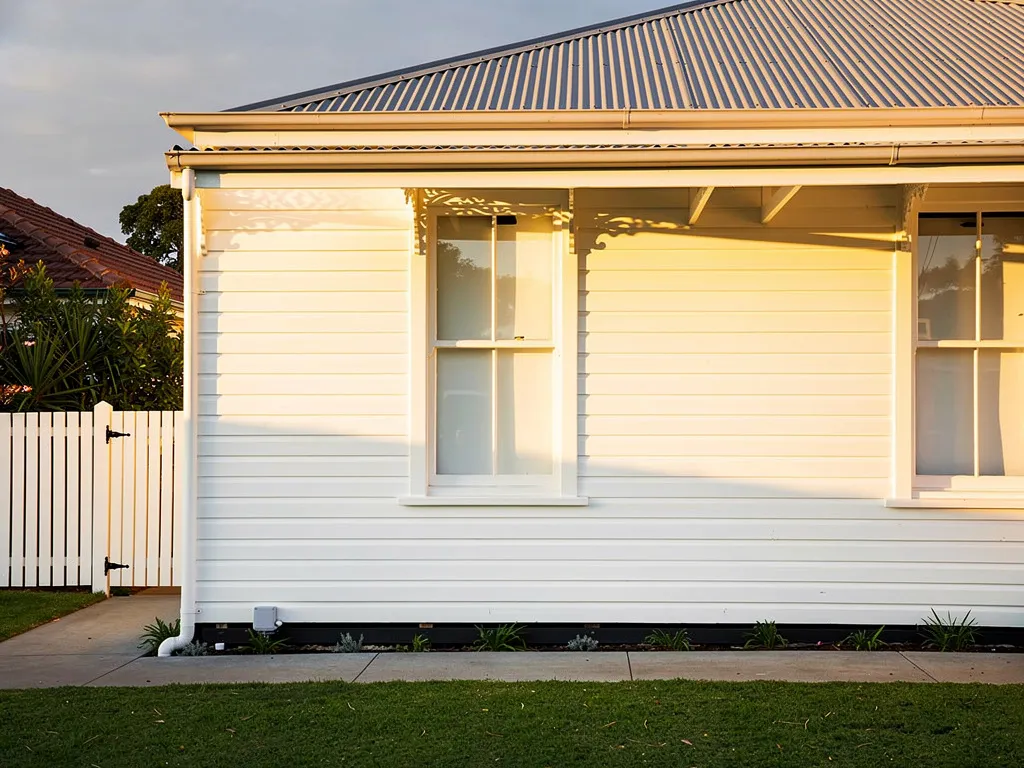
Heritage timber needs flexible paint systems that move with seasonal expansion. Rigid modern paints cause checking and failure on old weatherboard.
Old timber is fundamentally different from new timber. The seasonal movement is different, the way paint adheres is different, and the moisture dynamics are different. A Federation weatherboard home from 1920 has timber that’s become denser and more stable than modern pine, but it’s also more vulnerable to movement stress.
When we paint heritage timber, we’re thinking about flexibility. Rigid modern paints can trap timber, causing checking and paint failure. We use products that move with the timber—Dulux exterior acrylics are formulated for this, and they perform especially well on older weatherboards because they allow seasonal timber movement without cracking.
Preparation is everything on heritage homes. We hand-sand rather than pressure-wash whenever possible because these timbers are softer and more prone to damage from high-pressure jets. We use specialist primers on bare timber to ensure proper adhesion and sealage. We caulk properly—not with cheap silicone but with paintable acrylic caulk that matches paint movement.
The owner built Modernize on doing things the right way, and heritage homes are where that philosophy proves its worth. We’ve painted homes in Moonee Ponds where the previous paint job failed after four years because it was over-sealed and didn’t allow timber movement. Our jobs last 10-15 years because we understand the material and treat it accordingly. Master Painters Australia confirms that using flexible exterior acrylics on heritage timber is essential to accommodate seasonal movement without cracking.
Key takeaway: Heritage weatherboard homes in Moonee Ponds painted with proper flexible Dulux Australia exterior acrylics and thorough hand-sanded preparation last 10–15 years, compared to just 4–5 years when rigid modern paints are applied incorrectly.
How Do You Choose Colours for Period Homes?
Match the palette to the era: Victorians suit deep creams and muted sage, Federation bungalows suit warm yellows and greys, Edwardians carry bolder tones.
This is where local knowledge and genuine expertise matter. Moonee Ponds’ streetscape depends on colour harmony—homes that work individually but also sit well together. You can’t just pick a trendy modern colour and expect it to feel right on a 1920s bungalow.
We’ve worked with heritage colour specialists and spent years learning which palettes work across different eras and streetscapes. Victorian homes suit deeper, more complex colours—think soft burgundy, deep cream, muted sage, or sophisticated greys. Federation bungalows often work better with warmer tones—butter cream, soft golden yellows, warm greys. Edwardian homes can carry bolder colours while still feeling period-appropriate.
The Dulux Australia Heritage range is invaluable for this work. It includes period-appropriate colours that don’t feel fussy or overly historical; they feel natural on homes of their era.
Key takeaway: Moonee Ponds’ streetscape character depends on colour harmony across neighbouring heritage homes, and the Dulux Heritage range provides period-appropriate palettes — from soft burgundy and deep cream for Victorian homes to warm golden yellows and greys for Federation bungalows. When we’re recommending colours for a Moonee Ponds character home, we consider the neighbourhood context, the home’s individual style, and the resident’s preferences—in that order.
We also think about trims. Period homes often have contrasting trim colours that were originally intended—darker main colours with cream or white trims. We help residents think through whether they want to honour that original palette or adapt it to modern preferences. Either way, the approach is considered, not casual.
What About Period Features Like Doors and Trims?
Sand to bare timber, prime, and finish in satin or eggshell. Avoid high-gloss on period doors — it looks wrong and hides character detail.
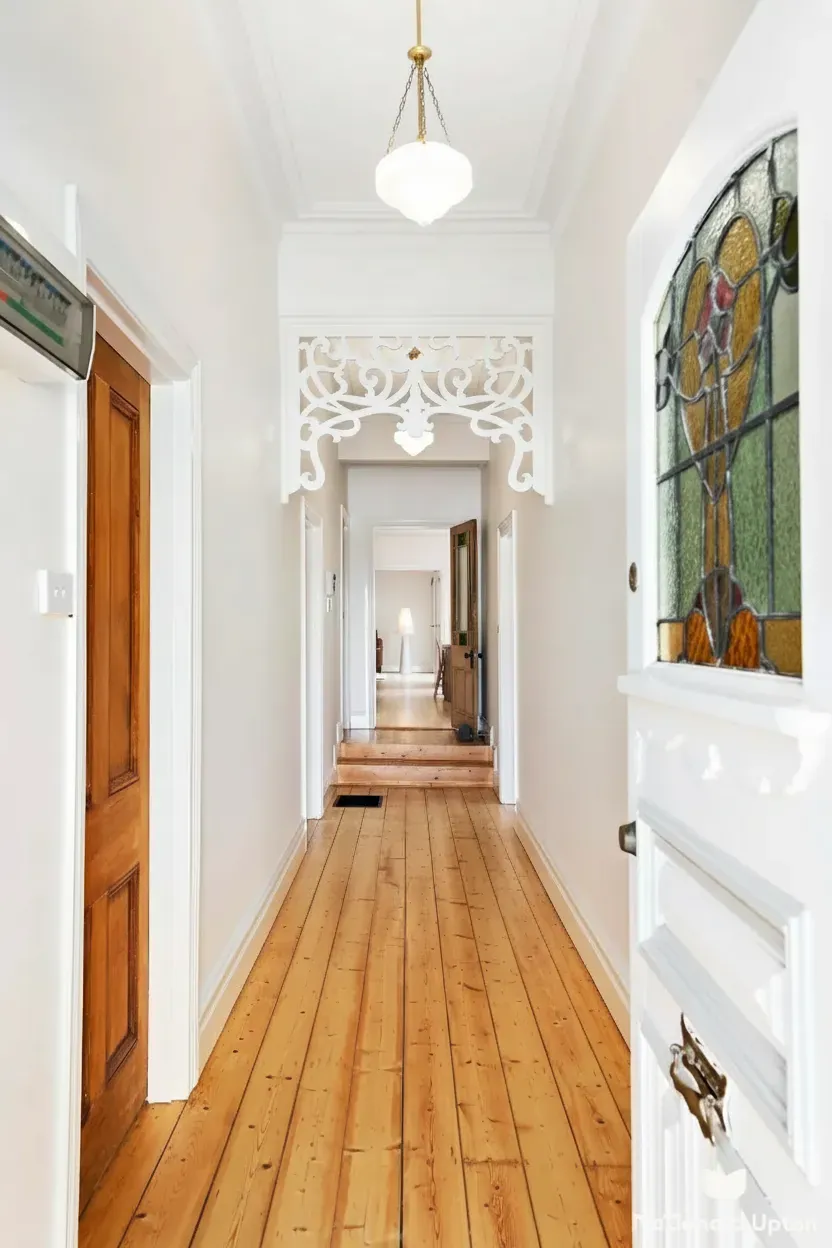
Original timber doors in Moonee Ponds homes are beautiful assets, and they’re often original or high-quality replacements. Painting them properly is specific work.
We assess door condition first. Many 1920s doors are solid timber that’s settled and aged beautifully. Some have weathering or checking that needs filling before paint. We sand to bare timber, prime, and use finish coats that protect without creating a plastic appearance. We avoid high-gloss on period doors—satin or eggshell finishes look more appropriate and feel more genuine.
Cornicing, architraves, and decorative timber details often benefit from the same approach. We preserve the detail rather than over-coating it with thick paint that obscures moulding. This requires patience and hand-painting where necessary, but it’s exactly what these homes deserve.
Cast-iron verandah rails and fretwork are another Moonee Ponds feature. We treat iron separately—proper rust management, appropriate primers, and colour choices that complement the home without competing. Heritage homes often had darker iron colours—deep green, black, or burgundy rather than bright colours.
How Does Winter and Garden Moisture Affect Painting in Moonee Ponds?
Schedule exterior work for autumn or spring. Mature gardens and dense tree cover keep humidity high, making winter painting risky here.
Moonee Ponds gets genuine winter rain and sits on good soil, which means mature gardens stay moist. That moisture in the soil and air affects paint performance—homes with established gardens don’t dry as quickly in winter, and there’s higher humidity year-round compared to more open suburbs.
We schedule major exterior work for autumn or spring when drying conditions are optimal. Winter painting in Moonee Ponds is possible but requires careful material selection and extended drying time between coats.
For homes with particularly damp conditions, we recommend products like Dulux Weathershield on weatherboard areas. It’s formulated to handle moisture-prone environments and performs well when ambient humidity is high. On rendered facades in damper locations, we ensure proper substrate preparation and use breathable acrylic finishes that allow moisture to escape rather than building up behind the coating.
Garden considerations matter too. Established trees mean dappled shade and slower drying. We protect planted areas carefully and plan our equipment positioning to avoid traffic across gardens. Moonee Ponds residents care deeply about their outdoor spaces, and we respect that.
What’s the Right Paint System for Moonee Ponds Weatherboards?
Hand-sand, replace failed caulk, prime bare timber, then two coats of Dulux Weathershield. Our 3-year exterior warranty covers the lot.
For weatherboard homes—which make up a significant portion of Moonee Ponds—we follow this system:
- Assessment: Check for rising damp, loose paint, caulking failure, and timber condition
- Preparation: Hand-sand where needed, replace failed caulk, prime bare timber
- Application: Two coats of quality exterior acrylic (Dulux Weathershield for moisture-prone areas)
- Details: Paint trims, doors, and features with hand-finishing where needed
- Protection: Our 3-year exterior warranty covers material and workmanship
The preparation phase typically takes longer on heritage weatherboards than on newer homes because we’re not cutting corners for speed. We sand off failing paint properly, we don’t just prime over problems, and we use materials selected for the specific exposure the home experiences.
Should You Paint Your Original Brick in Moonee Ponds?
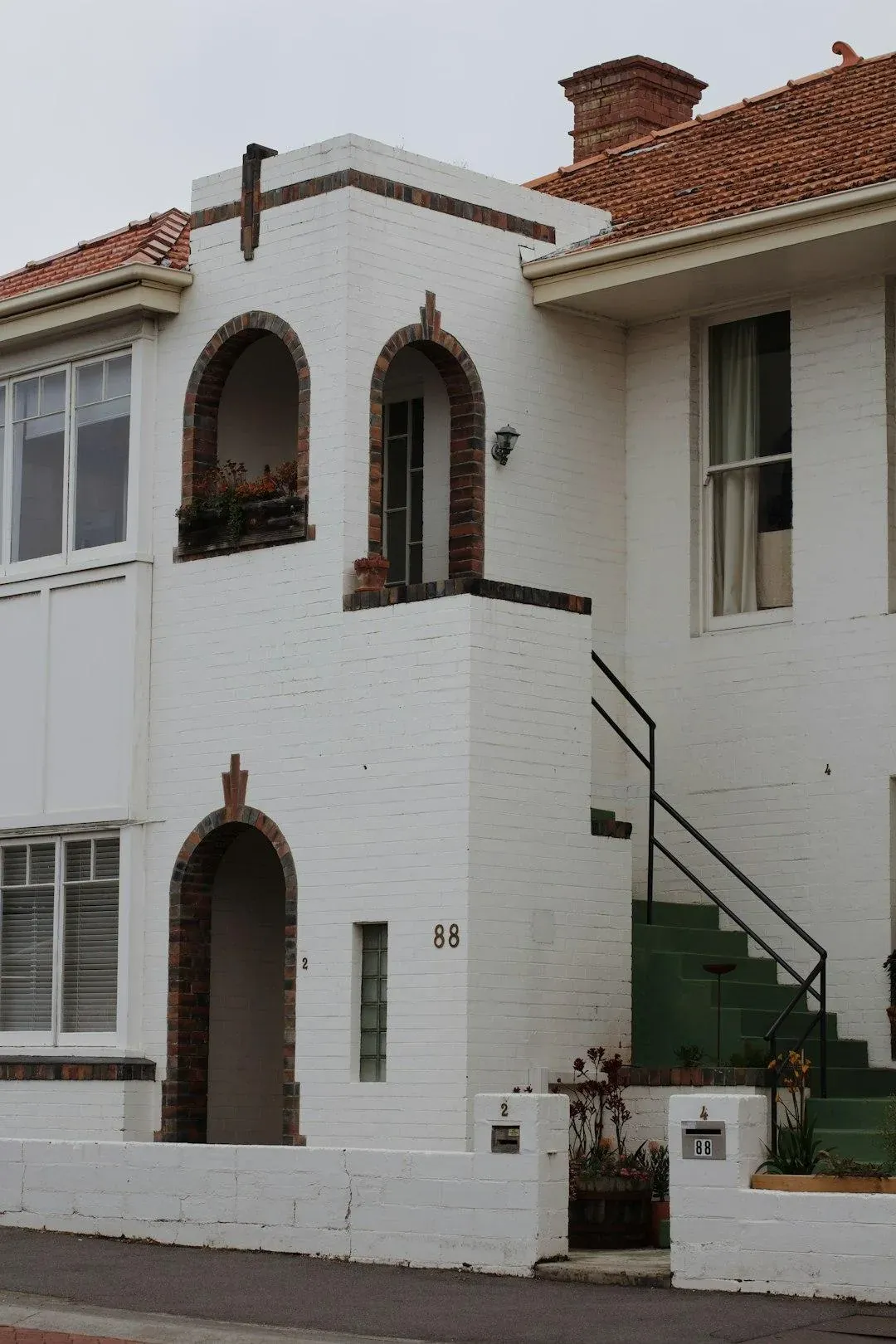
If the brick is sound and attractive, leave it natural. Once painted, brick is nearly impossible to restore. Only paint brick that’s weathered or stained.
Many Moonee Ponds homes have handmade brick from the 1920s or later, and the question of whether to paint is common.
If the brick is structurally sound, aesthetically pleasing, and relatively clean, leaving it natural usually wins. Handmade brick has colour variation and character that paint can only obscure. And once painted, brick is difficult to return to natural—the paint soaks in and requires extensive stripping to remove.
However, if the brick is weathered, stained, or has failing mortar joints, painting can protect it and improve appearance dramatically. We’ve painted brick homes in Moonee Ponds where the brick quality was simply inconsistent and paint brought visual harmony.
When we do paint brick, we always use breathable acrylic products. Dulux Wash&Wear is ideal—it bonds strongly to brick while allowing moisture vapour to pass through. This is essential for older homes where trapping moisture behind paint causes long-term problems.
How Do Professional Painters Protect Landscaping During Exterior Work?
Drop sheets over garden beds, tarps on shrubs below work areas, and planned equipment routes that avoid trampling established plantings.
Moonee Ponds gardens are established and valuable to residents. We take protecting them seriously.
For exterior repaints, we set up drop sheets, mask off window sills and frames early, and plan equipment positioning to avoid trampling planted areas. We use tarps to protect shrubs and ground plants below work areas. For larger projects requiring scaffolding, we position it to minimise garden impact and use protective netting if necessary.
We’re also honest about what we can and can’t do. If a garden is particularly dense or mature trees create access challenges, we discuss that upfront. Sometimes the best solution involves staged work or negotiating temporary pruning that residents can manage or we can arrange carefully.
This kind of attention—thinking about more than just the paint job—is what separates professional work from casual work. We’ve been doing it for 35+ years because it matters.
What Warranty Can You Expect on Moonee Ponds Homes?
Three-year exterior warranty on materials and workmanship, $20M insurance, and no subcontractors. Our in-house team handles every job start to finish.
We back our exterior work with a 3-year warranty that covers both material and workmanship. That means if paint fails due to poor preparation, application, or material failure, we address it at no charge.
We’re $20M insured in public liability, maintain a 4.8-star Google rating across 154 reviews, and we never subcontract. Our team handles every job from start to finish. Consumer Affairs Victoria recommends verifying a painter’s insurance, requesting written warranties, and checking online reviews before engaging any contractor.
| Project type | Typical cost range | Paint system | Expected lifespan |
|---|---|---|---|
| Full exterior (weatherboard) | $8,000–$15,000 | Dulux Weathershield | 10–15 years |
| Interior living areas | $4,000–$7,000 | Dulux Wash & Wear | 7–10 years |
| Timber doors and trim | $300–$600 per door | Dulux satin/eggshell | 5–7 years |
| Cast-iron verandah rails | $800–$1,500 | Specialist iron paint | 5–7 years |
| Brick veneer exterior | $3,000–$6,000 | Dulux Wash & Wear | 7–10 years |
| Heritage colour consultation | Included | Dulux Heritage range | — |
Key takeaway: Modernize Solutions provides a 3-year exterior workmanship warranty on all Moonee Ponds painting projects, backed by $20M public liability insurance and over 1,000 completed residential projects since 1987 — with many repeat clients across multiple properties in the area. When you’re paying for professional painting on a heritage home, you want accountability—knowing exactly who did the work and being able to reach them if issues arise.
The warranty reflects our confidence in the process. When preparation is thorough, materials are appropriate, and application is done properly, paint lasts. Our longevity track record in Moonee Ponds speaks to that—many residents have been with us for multiple properties or call us back years later because the work held up.
What Are the Common Painting Mistakes in Moonee Ponds?
Moonee Ponds’ leafy, heritage character creates specific pitfalls. Here are the mistakes that cost homeowners the most:
- Painting in winter under tree canopy — Dense tree cover in Moonee Ponds extends drying times significantly. Winter painting under canopy risks moisture trapping and adhesion failure.
- Using rigid modern paint on heritage weatherboard — Rigid products crack as old timber expands and contracts seasonally. Flexible exterior acrylics like Dulux Weathershield accommodate this movement.
- Pressure-washing soft heritage timber — High-pressure jets damage softer old weatherboard. Hand-sanding preserves the timber surface while properly preparing it for paint.
- Painting handmade brick that should be left natural — Once painted, brick is nearly impossible to restore. Sound, attractive handmade brick should be left natural for its colour variation and character.
[NEEDS QUOTE: Heritage colour specialist on streetscape harmony and period-appropriate palettes for Federation homes in Moonee Valley]
Frequently asked questions
How much does it cost to paint a character home in Moonee Ponds?
A full exterior repaint of a Federation or Edwardian weatherboard home in Moonee Ponds costs $8,000–$15,000 in 2026, including heritage colour consultation and specialist timber preparation. Interior refresh runs $4,000–$7,000 for main living areas.
What type of paint is best for Moonee Ponds heritage homes?
Dulux Weathershield is best for exterior weatherboard — its flexible binders accommodate seasonal timber movement without cracking. The Dulux Heritage range provides period-appropriate colour palettes. Dulux Wash & Wear suits interior walls.
When is the best time to paint a Moonee Ponds home?
Spring and autumn are ideal. Moonee Ponds’ dense tree cover creates slower drying and higher moisture retention than open suburbs, making winter painting risky. We schedule most exterior work for September–November and March–May.
Should I paint the original brick on my Moonee Ponds home?
If the brick is structurally sound and aesthetically pleasing, leave it natural. Handmade brick from the 1920s has character that paint obscures. Once painted, brick is nearly impossible to restore. Only paint brick that’s weathered or stained.
Ready to Paint Your Moonee Ponds Character Home?
Call us on 0451 040 396. We’ll assess your home, explain what we see, recommend the right approach for your specific property and neighbourhood context, and provide a transparent quote with no surprises. Whether it’s weatherboard restoration, heritage colour consultation, or full exterior refresh, we know Moonee Ponds homes and we know how to preserve their character while keeping them protected for years to come.
Related Service: Exterior Painting
Protect and beautify your home with professional exterior painting built to last.
Learn more about our Exterior Painting service →
Owner & Lead Painter · Modernize Solutions · Painting Melbourne homes since 1987