The best tile paint for a bathroom is the Dulux Renovation Range Tiles & Benchtops system over its matching primer: expect a few hundred dollars in product for a typical bathroom and 5 to 10 years of life on dry-zone walls and splashbacks. White Knight Tile Paint is the established DIY alternative, Rust-Oleum sits in between, and no tile paint on the market survives a shower floor no matter what the label says. We paint tiles on Melbourne renovation jobs, and this is the comparison as we see it from the ladder, not the shelf.
Tile painting is unforgiving on prep, so if you would rather not risk it, our interior painters in Melbourne handle bathroom and kitchen repaints including tiled surfaces.
Key takeaway
Pick a two-part system (bonding primer + tile topcoat) in satin or gloss: Dulux Renovation Range on professional jobs, White Knight as the DIY staple. The primer and the prep decide whether it lasts 10 years or 10 weeks. Nothing works in the shower recess or on floors.
The comparison: what a painter would tell you at the shelf
All three mainstream systems work on dry-zone bathroom walls when the prep is right; they differ on finish quality, colour range, and how forgiving they are to apply.
| Dulux Renovation Range | White Knight Tile Paint | Rust-Oleum tile products | |
|---|---|---|---|
| System | Dedicated primer + Tiles & Benchtops topcoat | Tile & Laminate primer + topcoat (or self-priming) | Transformations kits and tile-rated enamels |
| Finish | Satin or gloss, closest to a factory glaze | Gloss-leaning, shows roller texture more | Varies by product line |
| Colours | Tintable to a wide Dulux range | Smaller off-the-shelf range, white-led | Limited, white and neutrals |
| Ease for DIY | Forgiving, longer recoat windows | The classic weekend product, well documented | Kit instructions matter, follow them exactly |
| Where you buy it | Dulux trade and retail stores | Bunnings | Bunnings and hardware |
| Our verdict | What we use on jobs | Solid DIY pick for a white refresh | Fine for small areas, check the exact product is tile-rated |
The honest note behind that table: the gap between brands is smaller than the gap between good and bad prep. A White Knight job over properly degreased, scuffed, primed tiles beats a Dulux job over soap film every time. We use the Renovation Range because the primer is reliable, the topcoat tints to any colour a client asks for, and the system has a clear spec we can stand behind. Full product-by-product detail is in our Dulux Renovation Range guide.
What makes a tile paint actually stick?
The bonding primer. Glazed ceramic is designed to be non-porous, which is exactly what paint hates. Tile systems solve this with a primer formulated to key into the glaze, and the topcoat then bonds to the primer, not the tile. This is why “self-priming” claims deserve a hard look and why ordinary wall paint, no matter the quality, peels off tiles within weeks in a humid room.
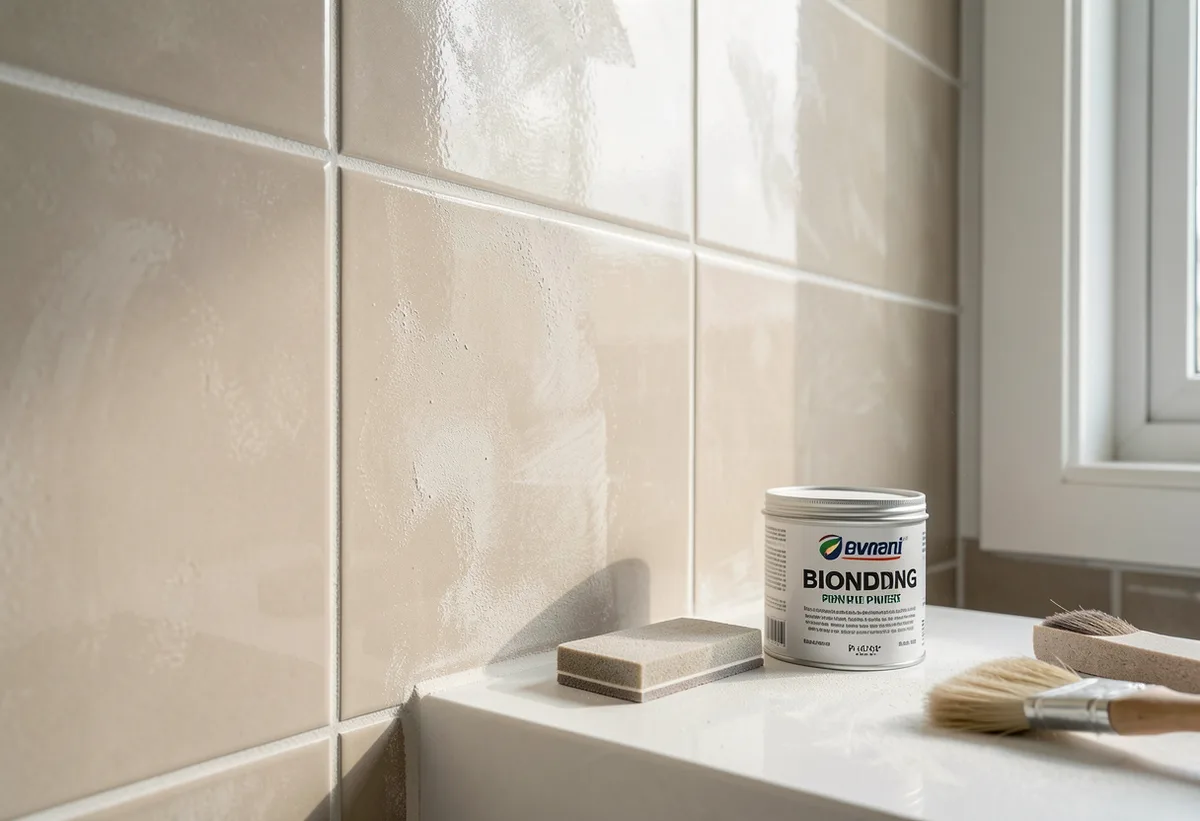
The prep sequence that makes any of the three brands last:
- Degrease every tile: soap scum and body oils block adhesion completely.
- Treat mould in the grout and let it dry fully. Paint over mould and it grows back through the coating.
- Scuff sand the glaze to dull the shine.
- Cut out old silicone. Paint does not bond to silicone; replace the beads after painting.
- Prime, then two even topcoats, then leave it alone: tile coatings need 7 to 14 days of cure before heavy moisture or scrubbing.
The full prep detail, and the honest costs versus retiling, are in our can you paint bathroom tiles guide.
Where tile paint works and where it fails
Dry-zone walls and splashbacks: yes. Shower recess and floors: no, whatever the tin promises.
- Works: bathroom and laundry wall tiles outside the shower, kitchen splashbacks, powder rooms, dated feature tiles you want in a current colour.
- Fails: inside the shower recess (standing water and steam lift the coating at the grout lines), tiled floors (foot grit and mopping wear through), bath rims and any surface that stays wet.
This is the line most product marketing blurs and most peeling-tile stories cross. If the problem tiles are in the wet zone, the honest answer is retiling, and a painter who says otherwise is selling you a callback.
Should you DIY it or get a painter in?
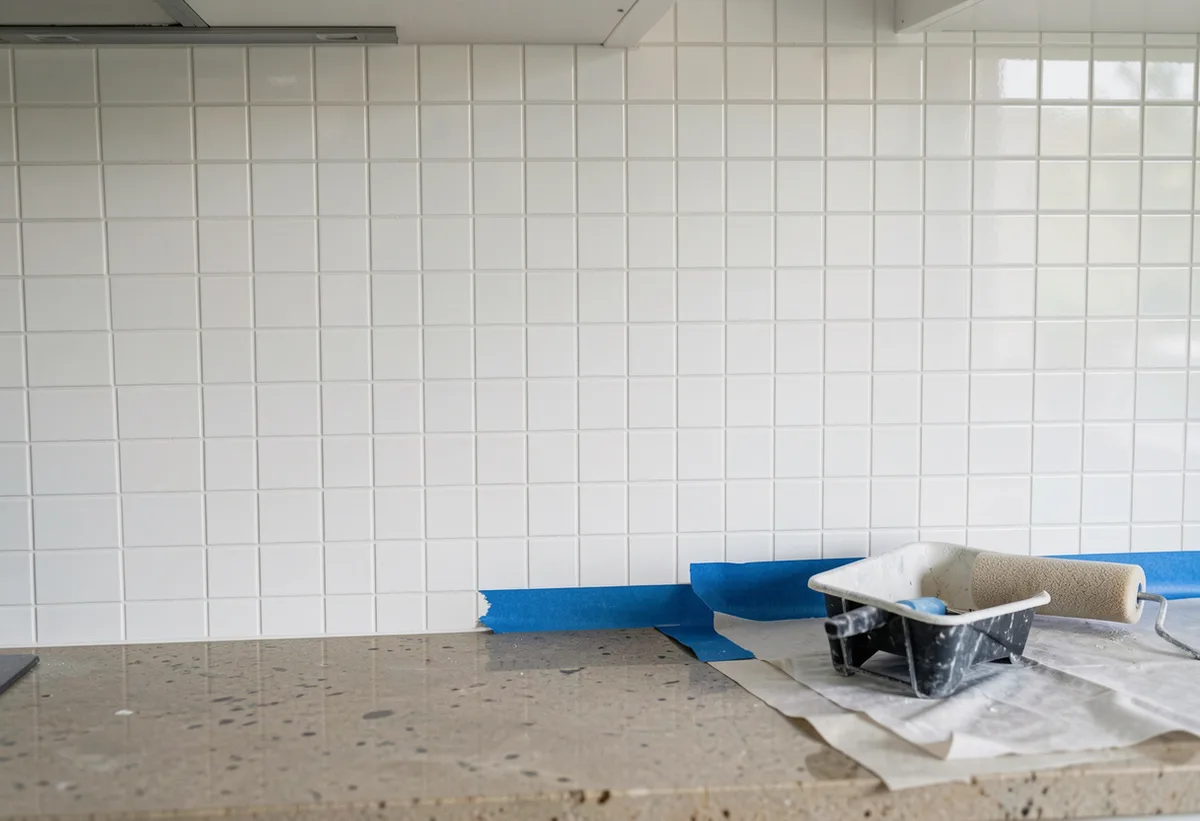
One wall or a splashback: DIY is realistic. A whole bathroom, or tiles in bad shape: get quotes. The product is a few hundred dollars either way; what you are paying a painter for is the prep discipline and a finish without roller texture and lap marks, which show badly on large glossy surfaces.
A professional tile repaint comes bundled into most of our bathroom and kitchen renovation painting jobs: walls, ceiling, trim and tiles done as one refresh, which is where painting tiles makes the most financial sense. We have painted Melbourne homes since 1987, with $20M public liability on every job.
Dated tiles dragging the bathroom down?
Free on-site inspection and an honest call on painting versus retiling. Family-owned painters across Melbourne since 1987, $20M public liability.
Frequently asked questions
What is the best tile paint for bathrooms in Australia?
For bathroom walls and splashbacks, the Dulux Renovation Range Tiles & Benchtops system over its matching primer is what we use on jobs: it bonds reliably to glazed ceramic and tints to a wide colour range. White Knight Tile Paint is the established DIY alternative at Bunnings. The primer and prep matter more than the brand on the topcoat tin.
Does tile paint really work in a bathroom?
Yes, on dry-zone wall tiles and splashbacks, where a properly prepped coating lasts around 5 to 10 years. It does not work inside a shower recess or on floors, where water and traffic lift any painted finish.
How much does tile paint cost?
A few hundred dollars in product for a typical bathroom (primer plus one to two litres of topcoat), versus thousands for retiling. On professional jobs the labour is the main cost because the prep takes longer than the painting.
Can you use normal paint on bathroom tiles?
No. Ordinary wall paint cannot grip glazed ceramic and peels within weeks in a bathroom. Tile systems work because their bonding primer is formulated for the glaze.
What finish should tile paint be, gloss or satin?
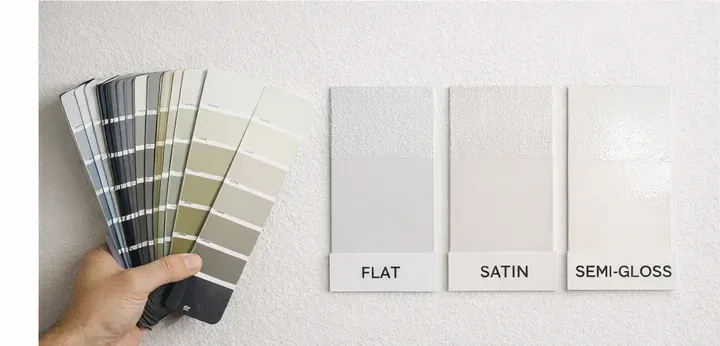
Satin or gloss, never flat. Satin hides tile imperfections and roller texture on big walls; gloss reads closest to the original glaze on splashbacks. Flat finishes hold moisture and mark up in bathrooms.
Rather have a professional handle it?
Free on-site inspection and a fixed-price written quote, no obligation. Painting Melbourne homes since 1987.
Related service: Renovation Painting.
We paint across Aberfeldie, Craigieburn, Preston, Sunbury, Tarneit, Pascoe Vale and more, see our painting services in Albion, or the house painters in Melbourne families have trusted since 1987.