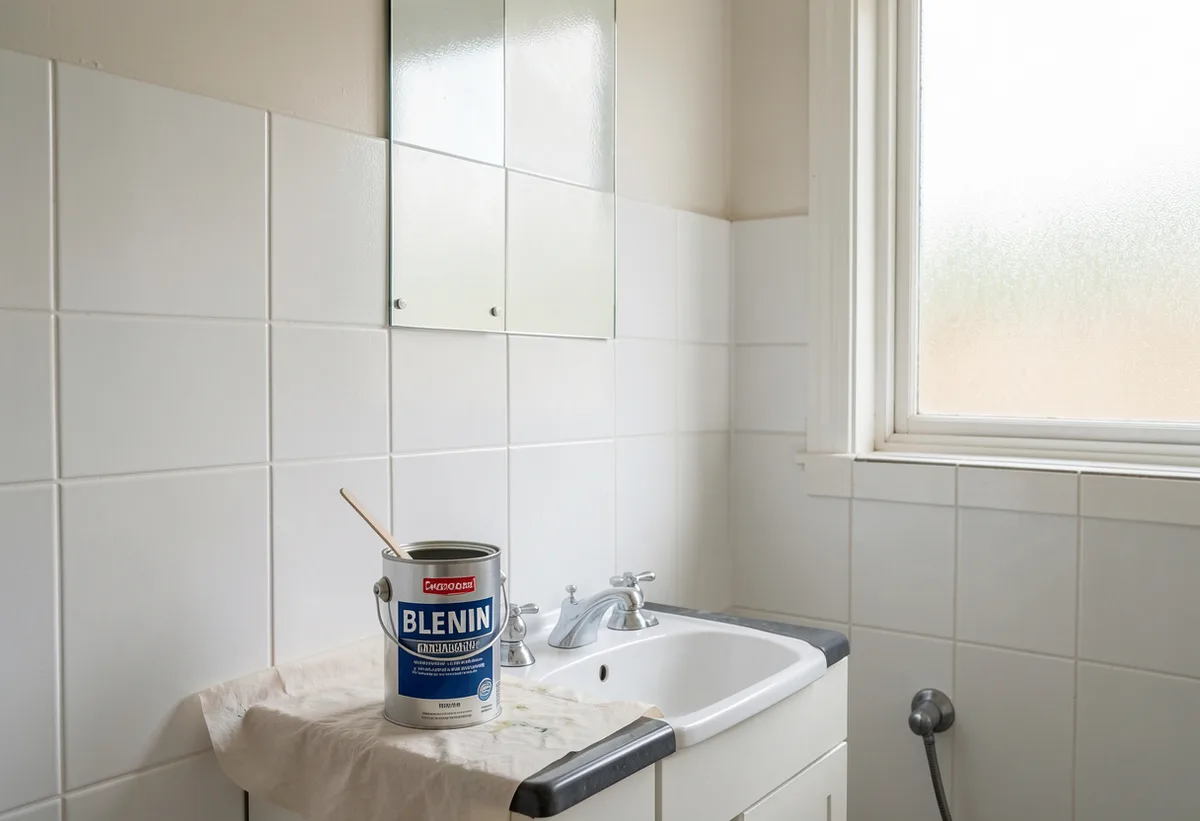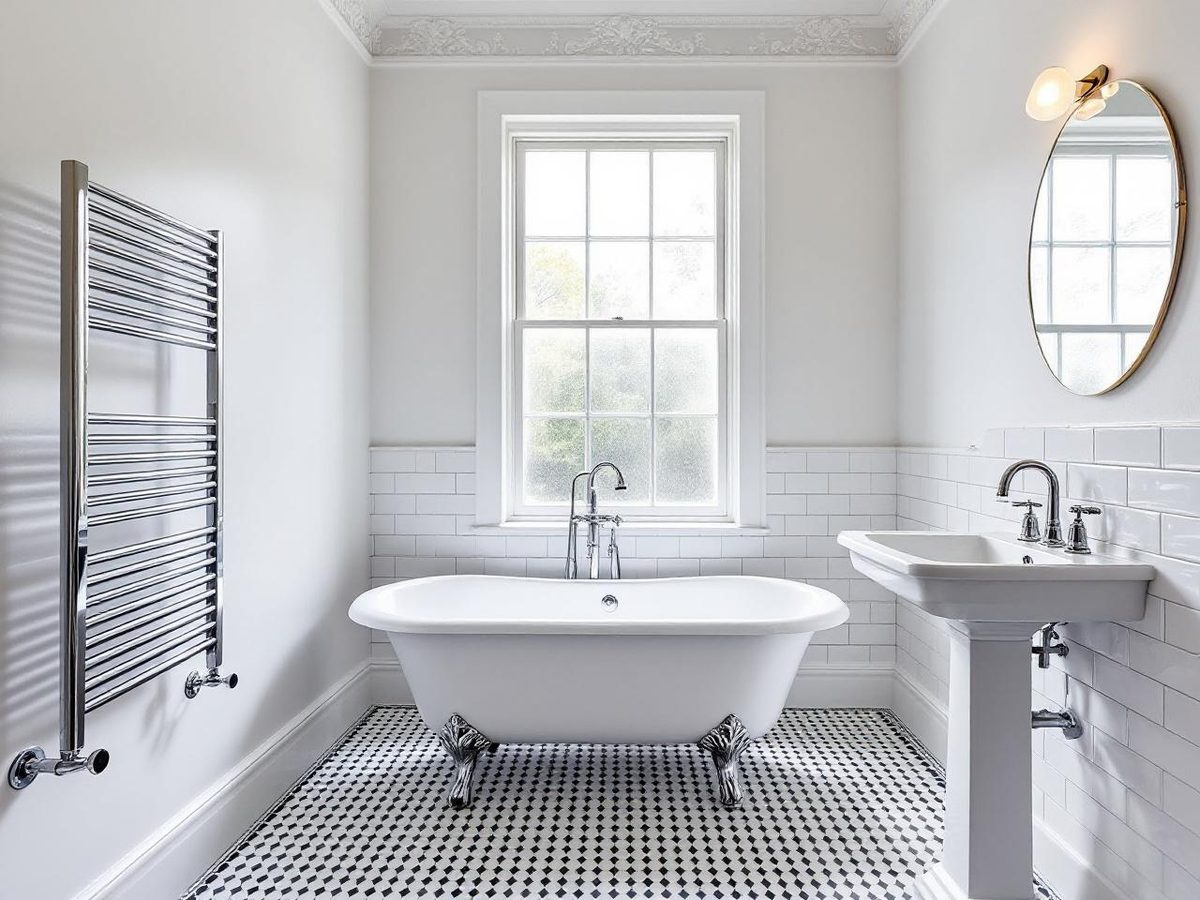
Yes, you can paint bathroom and kitchen wall tiles and splashbacks in Melbourne, and with the right product and proper preparation the finish holds up for years, not months. The job needs a dedicated tile coating such as the Dulux Renovation Range Tiles & Benchtops system over its matching primer, because standard wall paint cannot grip a glazed tile. Painting tiles is a real refresh for a few hundred dollars in product, but it is not a substitute for retiling in the wet zone, and it works far better on dry-zone walls and splashbacks than inside a shower or on a tiled floor.
At Modernize Solutions we have painted Melbourne homes since 1987. This guide covers what products work, how long a painted tile actually lasts, the prep that makes or breaks the job, where it works and where it does not, and the rough cost compared with ripping the tiles out.
What products actually bond to tiles?
The short answer: a purpose-made tile coating, not ordinary house paint. Glazed ceramic is hard and non-porous, so a normal wall paint has nothing to grab onto and it will peel.
For most Melbourne bathrooms and kitchens we use the Dulux Renovation Range, a system built for exactly this. The two products that matter for tiles are the Renovation Range Primer, which bonds to the glazed surface, and the Renovation Range Tiles & Benchtops topcoat in gloss or satin. The primer is the part doing the heavy lifting, skip it and the topcoat has no foundation. For how the Dulux system stacks up against White Knight and Rust-Oleum, see our best tile paint comparison.
We use the Renovation Range because it is a proven system with a clear specification, not because it is the cheapest tin on the shelf. A bargain tile paint is precisely the corner that gets cut on a budget job, and it shows up as flaking grout lines within a year. For a full breakdown of the five Renovation Range products and how they fit together, see our Dulux Renovation Range guide.
Key takeaway: Tiles need a dedicated tile coating with a bonding primer. Ordinary wall paint will not stick to glazed ceramic.
How long does painted tile last?
The short answer: roughly 5 to 10 years on dry-zone wall tiles and splashbacks, much less in the shower or on the floor. Durability depends almost entirely on prep, the number of coats, and how much wear and water the surface takes.
Wall tiles and splashbacks that only cop the occasional splash and a wipe-down are the sweet spot. Treated properly and given time to cure, they hold a tidy finish for years. The trouble starts where water sits or where the surface gets scrubbed and walked on. A tiled floor takes foot grit and mopping every day, and tiles inside a shower recess are wet for long stretches, so a painted finish there wears out fast.
The other factor people underestimate is cure time. A tile coating is not properly hardened the day it dries to the touch. The Renovation Range needs a full cure of around 7 to 14 days before the surface is exposed to heavy water or cleaning. Rush a freshly painted splashback back into daily use and you trade a few years of life for a few days of impatience.
Key takeaway: Expect years from dry-zone wall tiles, far less from wet-zone or floor tiles. Let the coating fully cure before it gets wet.
What prep does painting tiles actually need?
The short answer: clean, degrease, scuff, dry, prime. Prep is where a tile repaint is won or lost, and it is also where every shortcut hides.
Bathrooms and kitchens are the two greasiest, mouldiest rooms in the house, so the surface has to be genuinely clean before anything goes on it.
- Strip the grime and soap film. Bathroom tiles carry soap scum and body oils, kitchen splashbacks carry cooking grease. A bonding coat will not stick to either. The whole surface gets degreased and rinsed.
- Kill the mould. Any mould in the grout or corners has to be treated and the grout cleaned back to bare, then dried completely. Paint over mould and it keeps growing underneath the coating.
- Scuff the gloss. A light scuff sand knocks the shine off the glaze so the primer can key in. You are dulling the surface, not sanding the tile away.
- Sort the silicone separately. Old silicone beads get cut out and replaced after painting, not coated over. Paint will not bond to silicone, and it flexes at a different rate to the tile, so a painted-over bead cracks and peels.
- Prime, then topcoat. Once the surface is clean, scuffed, and bone dry, the bonding primer goes on, followed by the tile topcoat in even coats.
Get this sequence right and the coating bonds for years. Get lazy on the degrease or the mould and it lifts in months. This is the same prep-first principle behind any lasting paint job, the house painting cost guide explains why preparation, not the topcoat, is what you are really paying a good painter for.
Key takeaway: Degrease, treat mould, scuff the glaze, replace silicone after painting, then prime. Skipped prep is the number-one cause of peeling tiles.
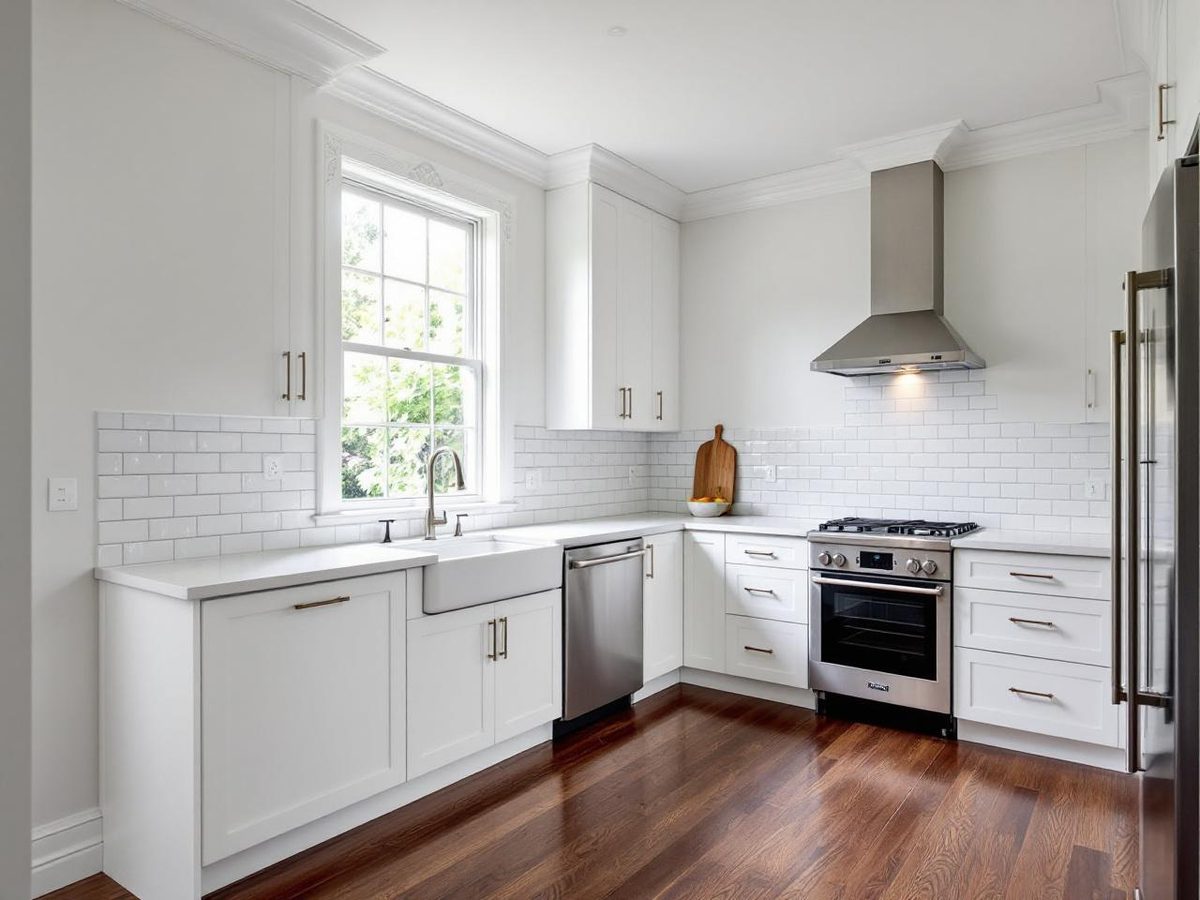
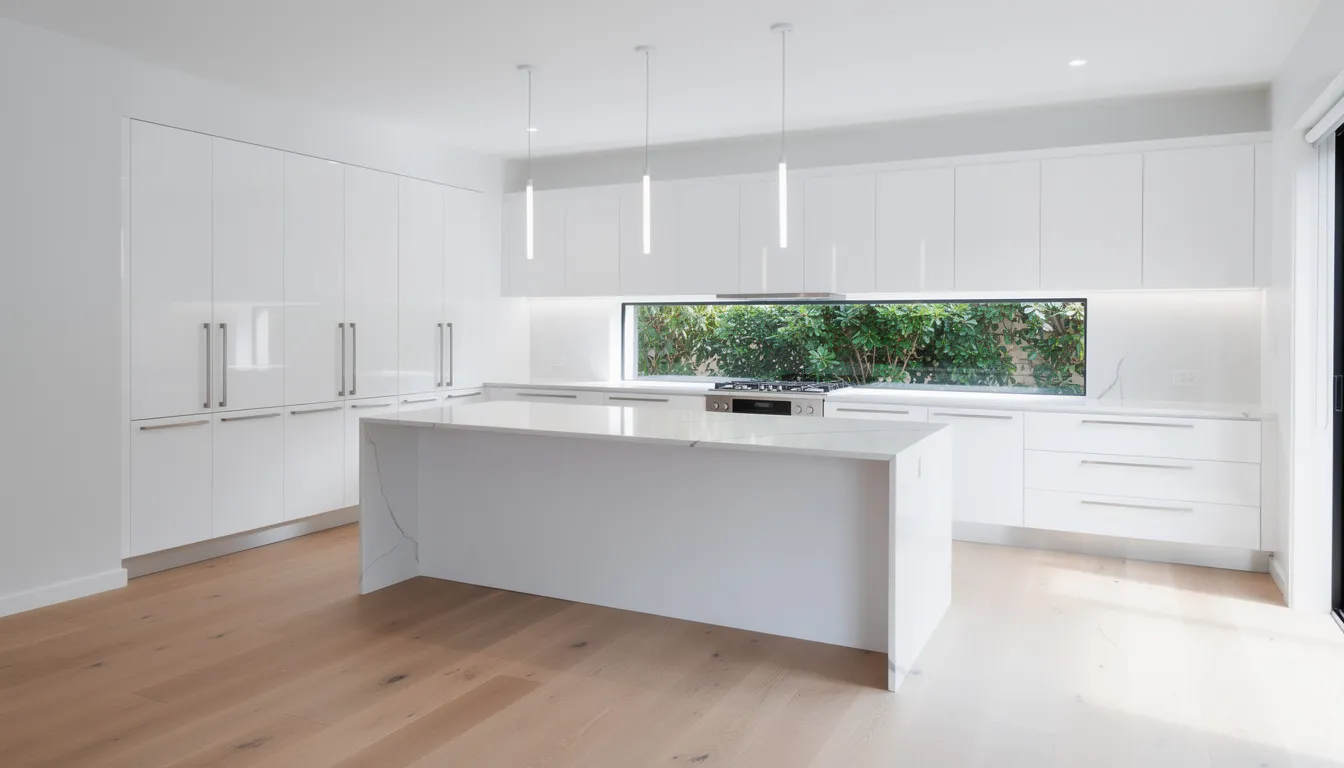
A refreshed Essendon kitchen. Dry-zone splashback tiles are where painting tiles works best.
Where does painting tiles work, and where does it fail?
The short answer: it works on dry-zone wall tiles and splashbacks, and it fails in the shower and on the floor. Knowing the difference saves you from a finish that disappoints.
Where it works well:
- Kitchen splashback tiles behind a bench or stove
- Bathroom and laundry wall tiles outside the shower
- Powder-room and toilet wall tiles
- Feature or dado tiles you simply want a fresh colour on
Where it does not work, and we will tell you so:
- Inside the shower recess, where standing water and steam will find every weak point
- Tiled floors, where foot traffic and cleaning wear the coating quickly
- Around a bath rim or any spot that stays wet for long periods
- Tiles that are loose, drummy, or already lifting, fix the substrate first
If your shower or floor tiles are the real problem, painting is the wrong tool and we will say so rather than sell you a finish that will not last. In those cases retiling or a proper wet-zone solution is the honest answer. For the rooms where painting does make sense, our renovation painting service and our kitchen and bathroom paint finish guide cover how we approach the whole room, not just the tiles.
Key takeaway: Paint dry-zone wall tiles and splashbacks. Do not paint shower recesses or floors, those need retiling.
What does it cost to paint tiles versus retiling?
The short answer: painting tiles costs a few hundred dollars in product plus labour, while retiling a bathroom runs into the thousands. Painting is the budget refresh, retiling is the full renovation.
The product itself is cheap. A bathroom or kitchen tile job uses a few hundred dollars of Renovation Range primer and topcoat, similar to the $200 to $400 in product a full set of kitchen cabinets takes. The cost on a professional job is the labour, the prep, cleaning, scuffing, masking, priming, and multiple coats with cure time between them, is where the hours go.
Compare that with retiling. Pulling out old tiles, re-waterproofing the wet zone, and paying a tiler to lay and grout new tiles is a multi-thousand-dollar job once everything is included. Painting will never match new tiles for lifespan, but for a tidy update on dry-zone walls without the demolition and the bill, it is a sensible middle ground.
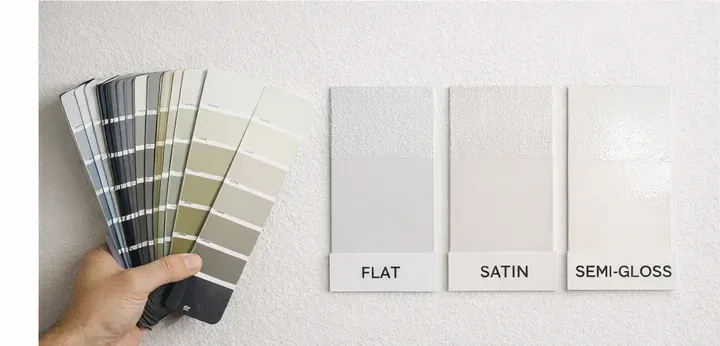
Choosing the right finish also matters. A satin or gloss tile topcoat wipes down better and resists moisture better than a flat finish, which is the same logic behind picking the best paint finish for kitchens and bathrooms.
Key takeaway: Painting tiles is the low-cost refresh, a few hundred dollars in product plus labour. Retiling is the full, longer-lasting renovation at many times the price.
Thinking about freshening up your bathroom or kitchen tiles?
Free on-site inspection and an honest answer on whether painting or retiling is the right call. Family-owned painters, Melbourne, since 1987.
Frequently asked questions
Can you really paint bathroom and kitchen tiles, or will it just peel off?
Yes, you can paint wall and splashback tiles with a dedicated tile coating like the Dulux Renovation Range Tiles & Benchtops system, and it holds up when the prep is done properly. Peeling almost always traces back to skipped preparation, painting over silicone or mould, or not letting the coating fully cure before the surface gets wet.
How long does painted tile last in a Melbourne bathroom?
On dry-zone wall and splashback tiles, a properly prepared tile coating commonly lasts around 5 to 10 years before it needs a refresh. Tiles inside a shower recess and tiled floors wear far faster because they take standing water, scrubbing, and foot traffic.
Can you paint shower tiles and tiled floors?
We do not recommend it. Constant water and steam in a shower will lift the coating at the grout lines, and foot traffic wears a painted floor quickly. Painting works best on dry-zone wall tiles and splashbacks, not in the wet zone or underfoot.
Do you have to remove the old grout or silicone before painting tiles?
You keep sound grout but clean it back to bare, mould-free grout and let it dry completely. Old silicone should be cut out and replaced after painting, not coated over, because paint will not bond to silicone and it flexes differently to the tile.
Is it cheaper to paint tiles or replace them in Melbourne?
Painting is far cheaper. Retiling a bathroom runs into the thousands once demolition, waterproofing, and a tiler are included, while painting existing tiles uses a few hundred dollars of product plus labour. It will not last as long as new tiles, but it is a sensible budget refresh for dry-zone walls.
What paint do you use on bathroom and kitchen tiles?
The Dulux Renovation Range Tiles & Benchtops product over the matching Renovation Range Primer. It is formulated to bond to glazed ceramic, which ordinary wall paint cannot grip.
Rather have a professional handle it?
Free on-site inspection and a fixed-price written quote, no obligation. Painting Melbourne homes since 1987.
Related service: Renovation Painting.
We paint across Werribee, West Melbourne, Parkville, Flemington, Kingsville, Strathmore and more, see our painting services in Aberfeldie, or the house painters in Melbourne families have trusted since 1987.