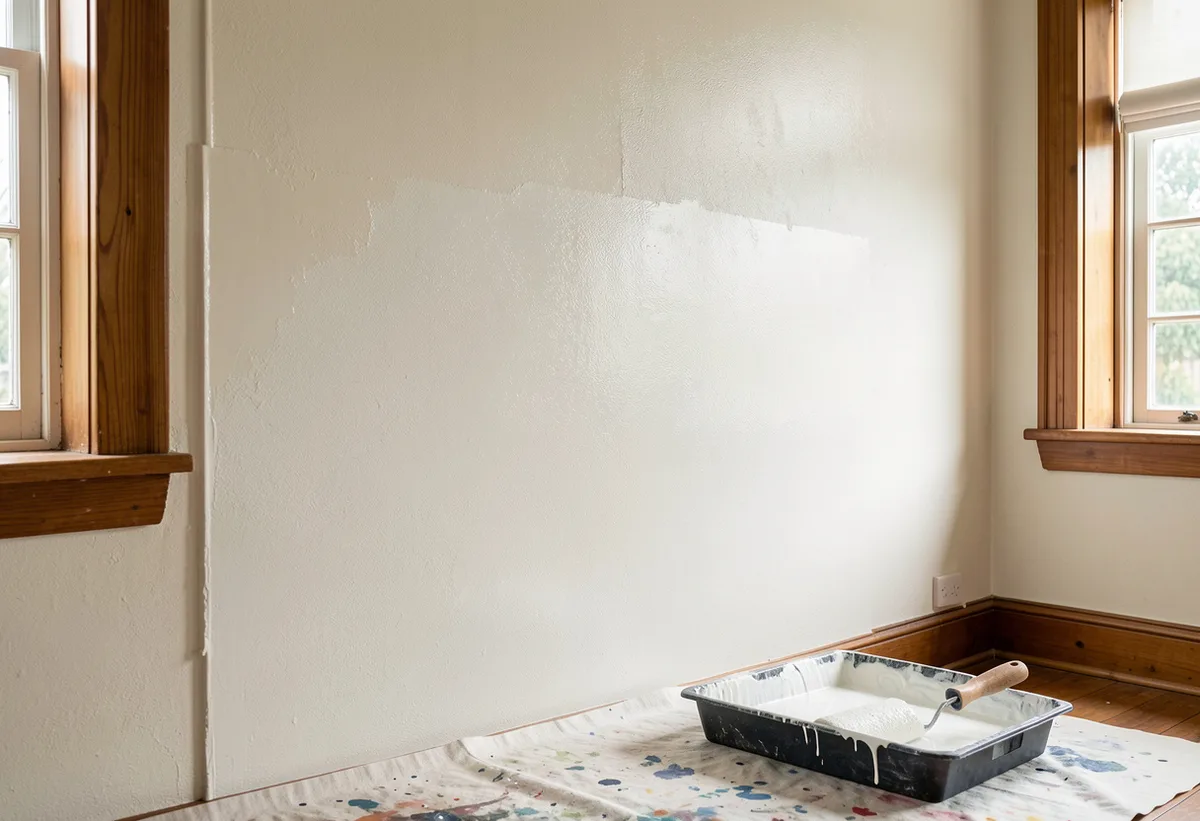
Interior walls need two coats of paint. Add one coat of primer or sealer underneath when the wall is new plaster, heavily patched, stained, or going from a dark colour to a light one. On the tin, quality paints like Dulux Wash&Wear and Haymes Expressions quote coverage of up to 16 square metres per litre per coat. On a real wall you’ll get closer to 12 to 14, which is why one coat nearly always dries patchy once daylight rakes across it.
That’s the whole answer in two sentences. The rest of this guide covers the exceptions: the jobs where two coats aren’t enough, how much paint a room actually takes, and what an extra coat adds to a Melbourne painting quote.
Key takeaway
Two topcoats is the standard for every interior wall. Add one primer or sealer coat first on new plaster, patched walls, stains, or a dark to light colour change. Budget on 12 to 14 square metres per litre per coat, not the 16 printed on the tin.
Why do walls need two coats of paint?
Two coats is the number the paint system is designed around. The coverage, colour accuracy and washability figures on a Dulux or Haymes data sheet all assume two full coats over a properly prepared surface. One coat gives you roughly half the dry paint film the maker intended, and a thin film fails early.
Here’s what each coat is actually doing:
- Coat one seals and evens out the surface. It soaks in unevenly, shows every roller overlap, and lets the old colour ghost through. No first coat looks good. It isn’t meant to.
- Coat two builds the film. It lands on a uniform, sealed base, so it flows out evenly, hits the true tinted colour, and dries to one consistent sheen across the wall.
Skip the second coat and you get patchy sheen, visible roller lines and a colour that’s slightly off the swatch. You also lose scrub resistance, so the first wipe-down around light switches burnishes the paint. On our interior painting jobs two topcoats is the minimum on every wall, no exceptions.
When do you need a primer coat as well?
You need a primer or sealer coat under the two topcoats whenever the wall is new plaster, bare or patched in spots, stained, or coated in old gloss enamel. Primer isn’t a third colour coat. It does a different job: sealing porosity, blocking stains and giving the topcoat something to grip.
The common cases in Melbourne homes:
- New plasterboard or fresh hard plaster. Bare plaster drinks paint. Unsealed joints and patches flash through as dull stripes under every topcoat. New builds in Tarneit, Point Cook and Craigieburn always get a sealer first.
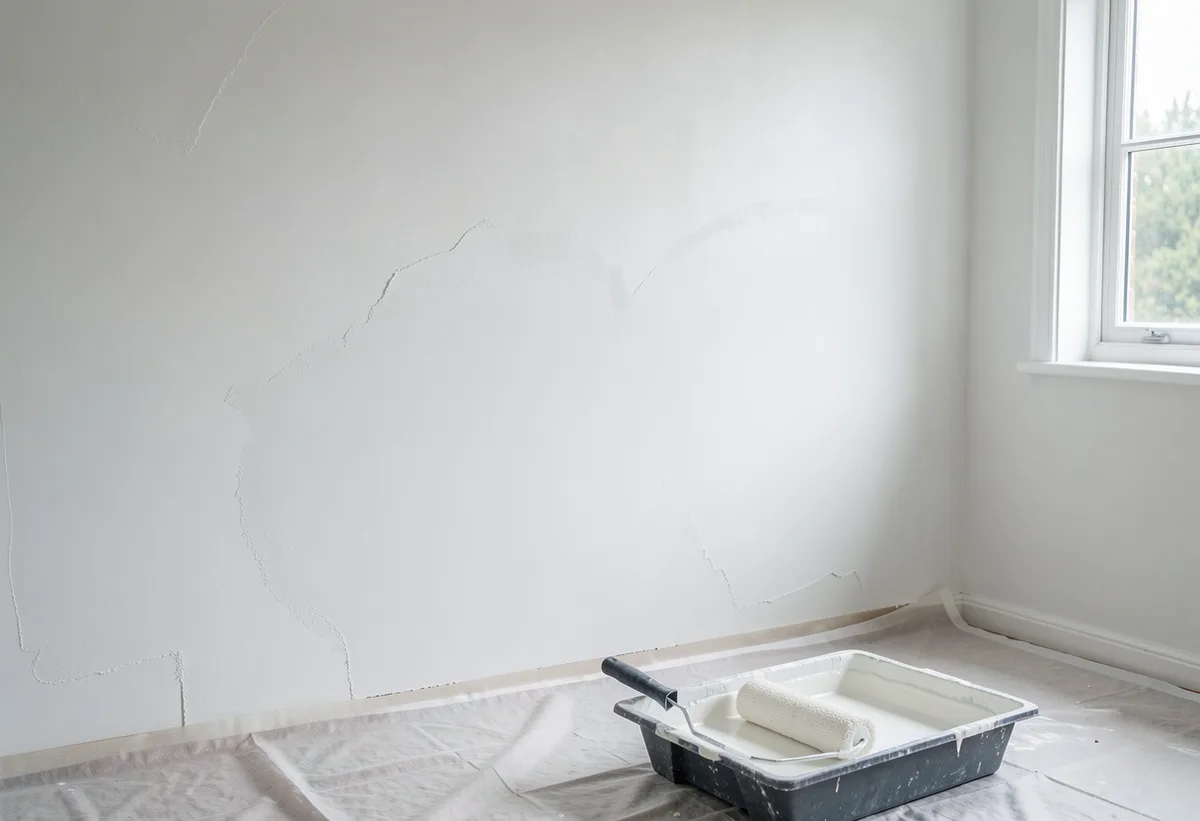
- Patched and filled walls. Spot-prime every filled crack and hole, or the patches show as flat spots in the finished sheen. Painters call it flashing.
- Stains. Water marks, smoke, texta and tannin bleed straight through ordinary paint, no matter how many coats you apply. They need a dedicated stain-blocking primer such as Zinsser B-I-N.
- Old oil-based enamel. Common on walls and trim in pre-1980s homes. Water-based paint won’t grip it without an adhesion primer.
“Paint and primer in one” products are fine for a colour change over sound, previously painted acrylic walls. They are not a substitute for a real sealer on new plaster or a stain blocker over water damage. Our paint and primer guide covers when the combined products genuinely hold up.
How far does a litre of paint actually go?
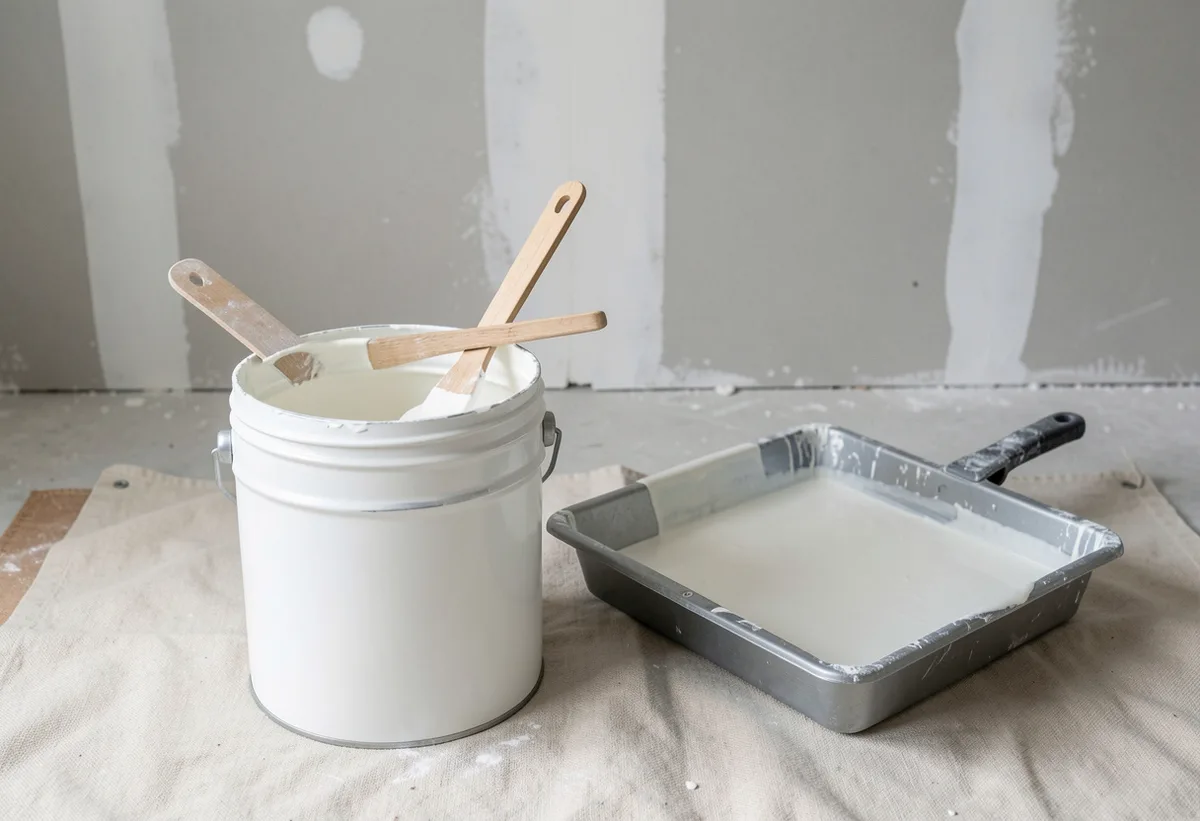
Plan on 12 to 14 square metres per litre per coat on a normal interior wall, even though most premium tins claim up to 16. The tin figure is measured on a smooth, sealed test surface. Lightly textured walls, older repaints and anything porous will use more.
| Product | Tin coverage claim | Realistic on walls | Approx. price (4L) |
|---|---|---|---|
| Dulux Wash&Wear Low Sheen | Up to 16 m² per litre | 12 to 14 m² per litre | Around $100 to $115 |
| Haymes Expressions Low Sheen | Up to 16 m² per litre | 12 to 14 m² per litre | Around $95 to $110 |
| Taubmans Endure Interior | Around 14 to 16 m² per litre | 12 to 14 m² per litre | Around $85 to $100 |
| Acrylic sealer undercoat | Around 12 to 14 m² per litre | 10 to 12 m² on new plaster | Around $70 to $90 |
The maths for a standard 15 square metre bedroom: about 32 square metres of wall area once you subtract the door and window. Two coats means 64 square metres of coverage, which is roughly 5 litres of paint at real-world spread rates. A 4 litre tin plus a 1 litre top-up does it, with a little left for touch-ups.
Buying short is the classic DIY mistake. A second tin tinted on a different day can be fractionally off-colour, so buy the full quantity in one batch and box (mix) the tins together if you’re doing a large area.
When do two coats of paint fail?
Two coats fails when the base is working against you: a dark existing colour, a strong low-opacity new colour, unsealed plaster, or a stain that bleeds. In each case the fix isn’t a third topcoat by default. It’s the right coat underneath.
| Situation | Coats needed | Why |
|---|---|---|
| Repaint, similar colour, sound walls | 2 topcoats | The standard system; nothing fighting the new paint |
| New plasterboard or fresh plaster | 1 sealer + 2 topcoats | Bare plaster drinks paint; joints flash without a sealer |
| Dark to light colour change | 1 tinted undercoat + 2 topcoats | Light colours can't cover Monument or navy on their own |
| Strong reds, yellows, oranges | 1 grey-tinted undercoat + 2 to 3 topcoats | These pigments have naturally low opacity |
| Water stains, smoke, texta, tannin | 1 stain-blocking primer + 2 topcoats | Stains bleed through any number of ordinary topcoats |
| Heavily patched walls | Spot-prime patches + 2 topcoats | Unprimed filler flashes as dull spots in the sheen |
The pattern is simple: more topcoats can’t fix a base problem. If white paint is still ghosting grey after coat three, coat four won’t save it, and neither will coat five. The undercoat should have done that work.
Do dark to light colour changes need three coats?
Yes, but the third coat should be a tinted undercoat, not a third coat of your expensive topcoat. Going from a dark wall to a light colour is the most common “why is this taking so many coats” job we see across Melbourne.
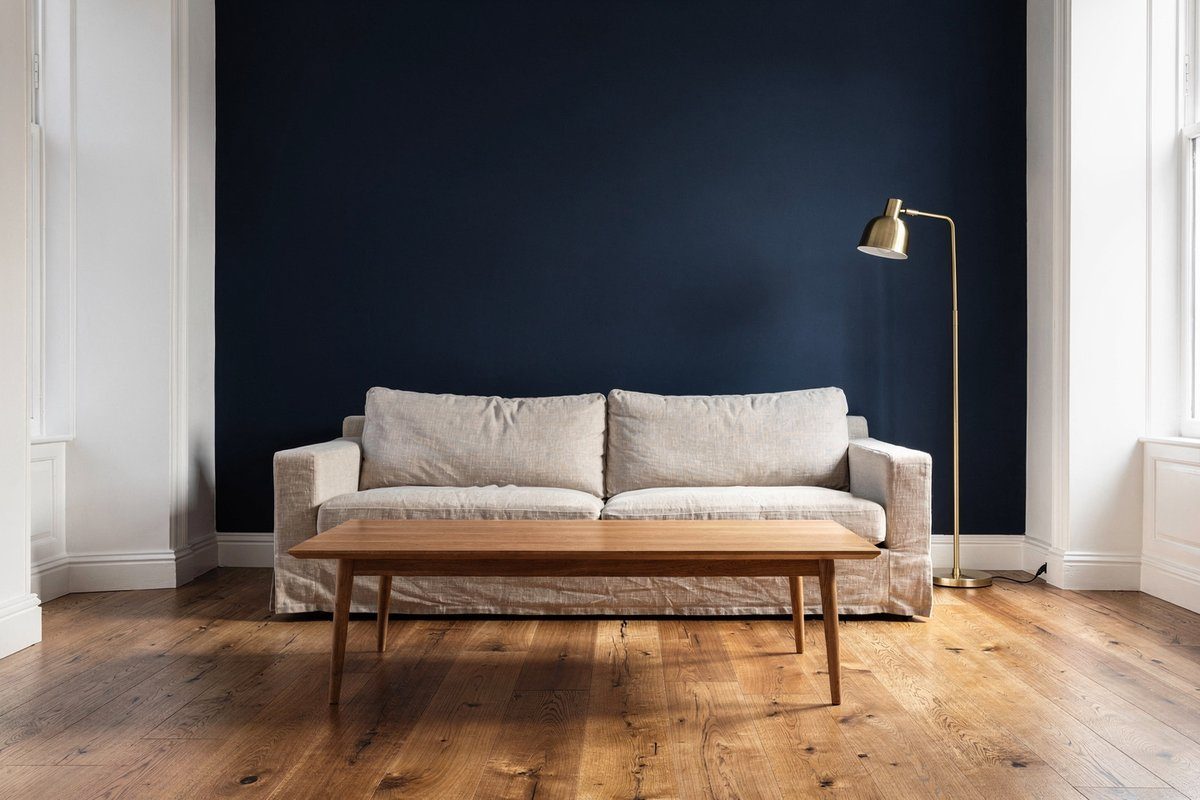
Plenty of homes painted feature walls in Dulux Monument, navy or deep green through the late 2010s, and plenty of owners are now painting them out in whites and soft neutrals. White straight over Monument can take four or five coats and still look shadowy in raking light. The fix is one coat of undercoat tinted to mid grey, which kills the dark base, then two normal topcoats to finish.
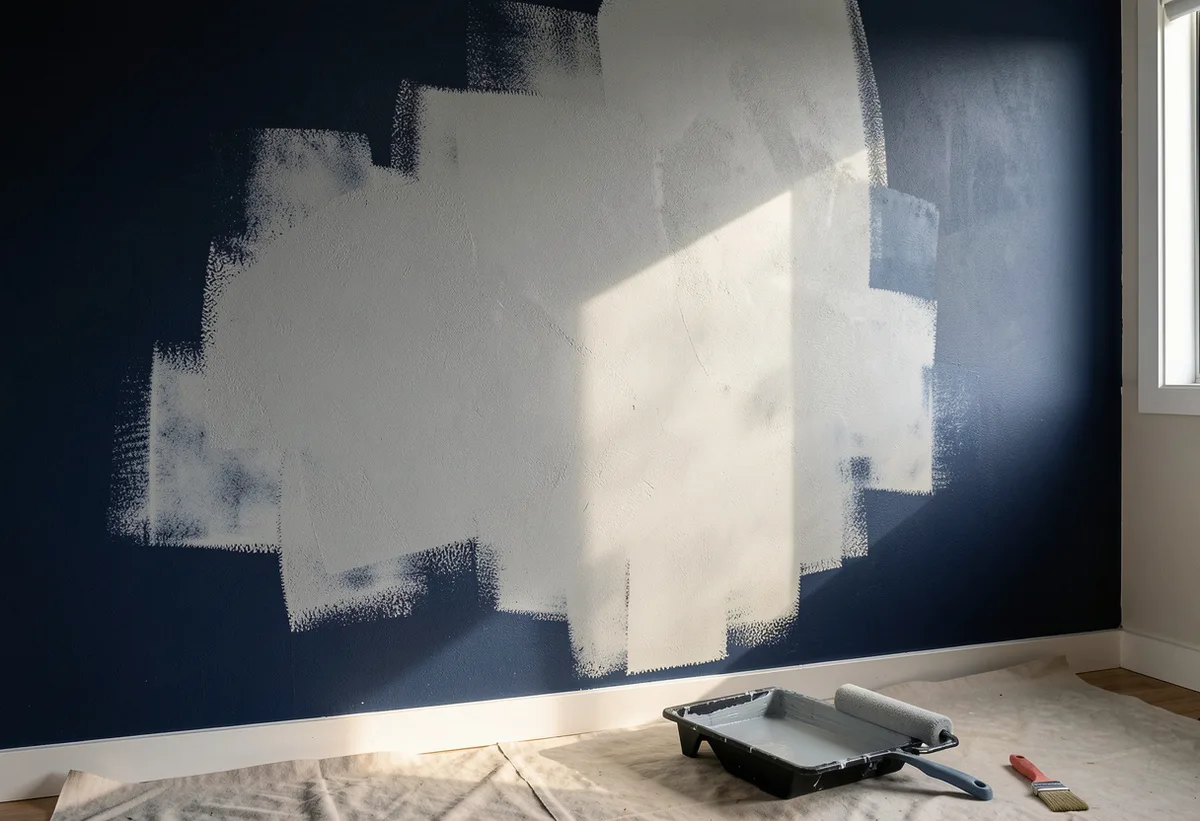
Same logic in reverse for strong finishing colours. Bright reds, yellows and oranges use low-opacity pigments, so ask your paint shop to tint the undercoat toward the topcoat colour. We’ve covered the whole approach in our guide to painting dark rooms light.
How long should you wait between coats?
Wait at least two hours between coats of water-based wall paint, and stretch that to three or four hours in a cold or damp Melbourne winter. The two hour recoat figure on a Dulux Wash&Wear label is measured at around 25 degrees. A 12 degree August day in an unheated house is nowhere near that.
Touch dry is not recoat ready. Paint feels dry on the surface long before the film underneath has hardened. Roll the second coat too early and you drag the first one, trap moisture, and end up with patchy sheen that only shows once everything cures. If the room feels damp, give it longer and keep some air moving through.
What does an extra coat of paint cost in Melbourne?
An extra coat on a standard bedroom adds roughly $120 to $250, and a third coat through a whole three bedroom interior adds about $800 to $1,500. That’s the labour to cut in and roll every wall again, plus another 2 to 3 litres of paint per room.
That number matters in two directions:
- Don’t pay for coats you don’t need. A quote pushing three topcoats on sound, previously painted walls in a similar colour is padding. Two topcoats over proper prep is the professional standard.
- Don’t accept a quote that hides the coat count. The cheapest quote on the table is often priced for one coat, and the patchy result costs you a full repaint. Make sure the number of coats, the primer and the prep are written down. Our guide to room painting costs in Melbourne breaks down what fair pricing looks like.
Is one coat of paint ever enough?
Almost never on walls. The only honest exception is a same-colour, same-sheen refresh on clean, sound walls with no patching, and even that carries a real risk of visible roller overlaps. A rental freshen-up in the same white sometimes gets away with it in a softly lit room.
Everywhere else, one coat is a false economy. It saves about an hour per room, and the moment afternoon sun rakes across the wall you’ll see every overlap and thin patch. Then you’re doing the second coat anyway, on a surface you now have to clean again. Ceilings are no different: two coats for an even, glare-free white.
Modernize Solutions has painted Melbourne interiors since 1987, and the coat count is written into every quote: prep, primer or sealer where the surface needs it, then two full topcoats of premium paint. It’s the difference between a wall that looks good on handover day and one that still looks good five years in.
Want the coat count in writing?
We quote every interior repaint with prep, primer and two full topcoats itemised, so you know exactly what you're paying for. Free on-site quotes across Melbourne.
Learn more about our interior painting service or see our wider work as house painters in Melbourne.
Frequently asked questions
How many coats of paint do interior walls need?
Interior walls need two full topcoats of quality paint for even colour, even sheen and proper washability. Add one primer or sealer coat first when the wall is new plaster, heavily patched, stained, or changing from a dark colour to a light one. A single coat almost always dries patchy once daylight hits the wall.
Is one coat of paint ever enough for a wall?
Only when you’re repainting a sound, clean wall in the same colour and sheen, and even then it’s a gamble. Patched spots flash through as dull marks and roller overlaps often show. One coat saves about an hour a room, but if it looks patchy you end up doing the second coat anyway.
Do you need three coats of paint going from dark to light?
You need a tinted undercoat plus two topcoats, which is three coats of product in total. Painting a light colour straight over Monument, navy or dark red can take four or five coats before the dark base stops ghosting through. One coat of grey-tinted undercoat first means two topcoats will finish the job.
How long should you wait between coats of paint?
Quality water-based wall paints like Dulux Wash&Wear list a two hour recoat time on the label, measured at around 25 degrees. In a cold or damp Melbourne winter, stretch that to three or four hours, because recoating too early traps moisture and causes patchy sheen. Touch dry is not recoat ready.
How much does an extra coat of paint cost in Melbourne?
An extra coat on a standard bedroom adds roughly $120 to $250 in labour and paint, and a third coat through a whole three bedroom interior can add $800 to $1,500. That’s why a painting quote should state the number of coats in writing. A suspiciously cheap quote often means one coat, not a better price.
Rather have a professional handle it?
Free on-site inspection and a fixed-price written quote, no obligation. Painting Melbourne homes since 1987.
Related service: Interior Painting
Walls, ceilings, doors and trim painted room by room, with full prep and Dulux finishes.
Learn more about our Interior Painting service →Painters in St Albans
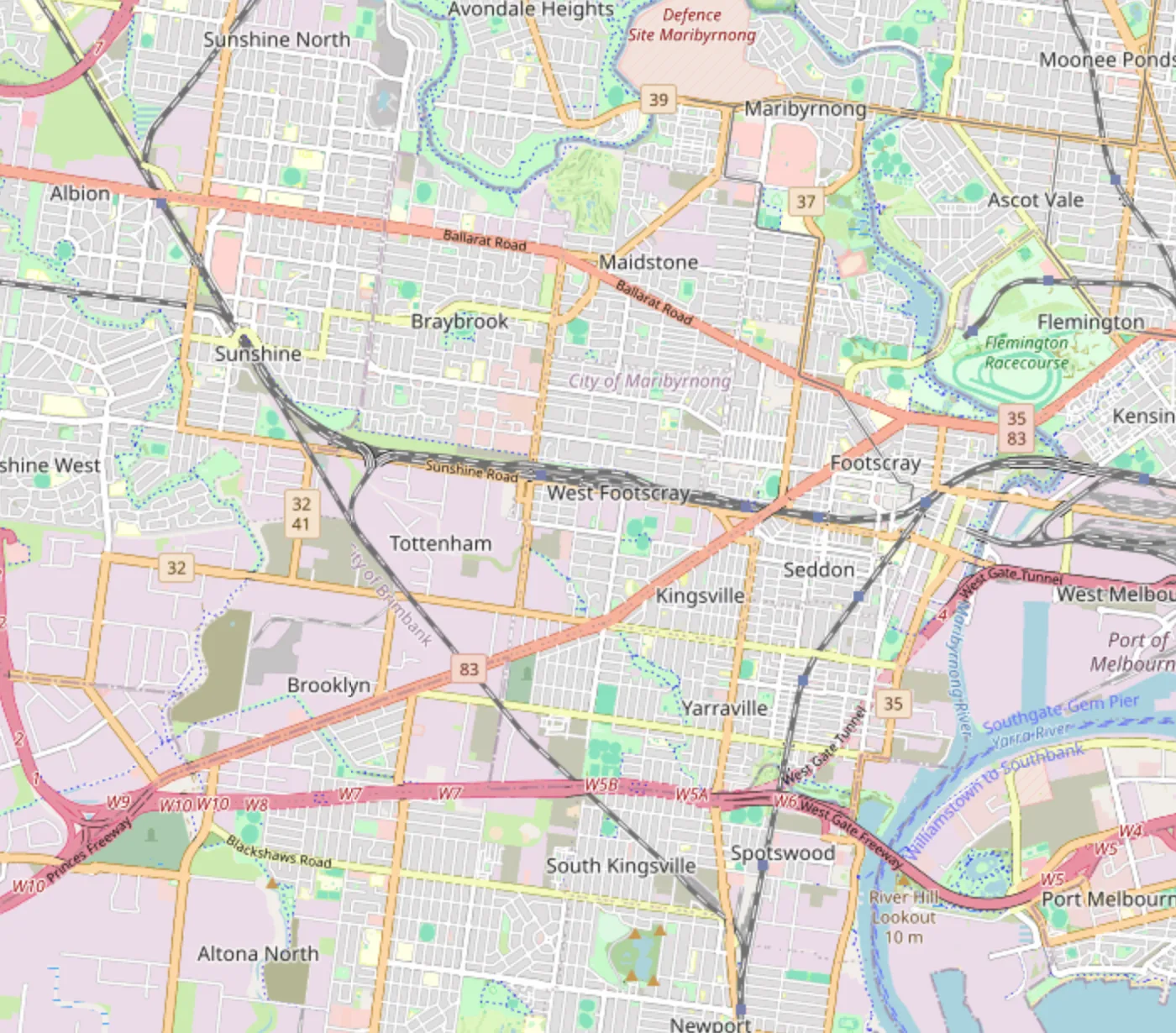
Professional painters in St Albans. Post-war brick veneers and weatherboard family homes across the western suburbs. Premium Dulux finishes. Free quotes.
Painting services in St Albans →Painters in your area
Right across the city, we are the house painters in Melbourne families have trusted since 1987.

Owner & Lead Painter, Modernize Solutions · Painting Melbourne homes since 1987