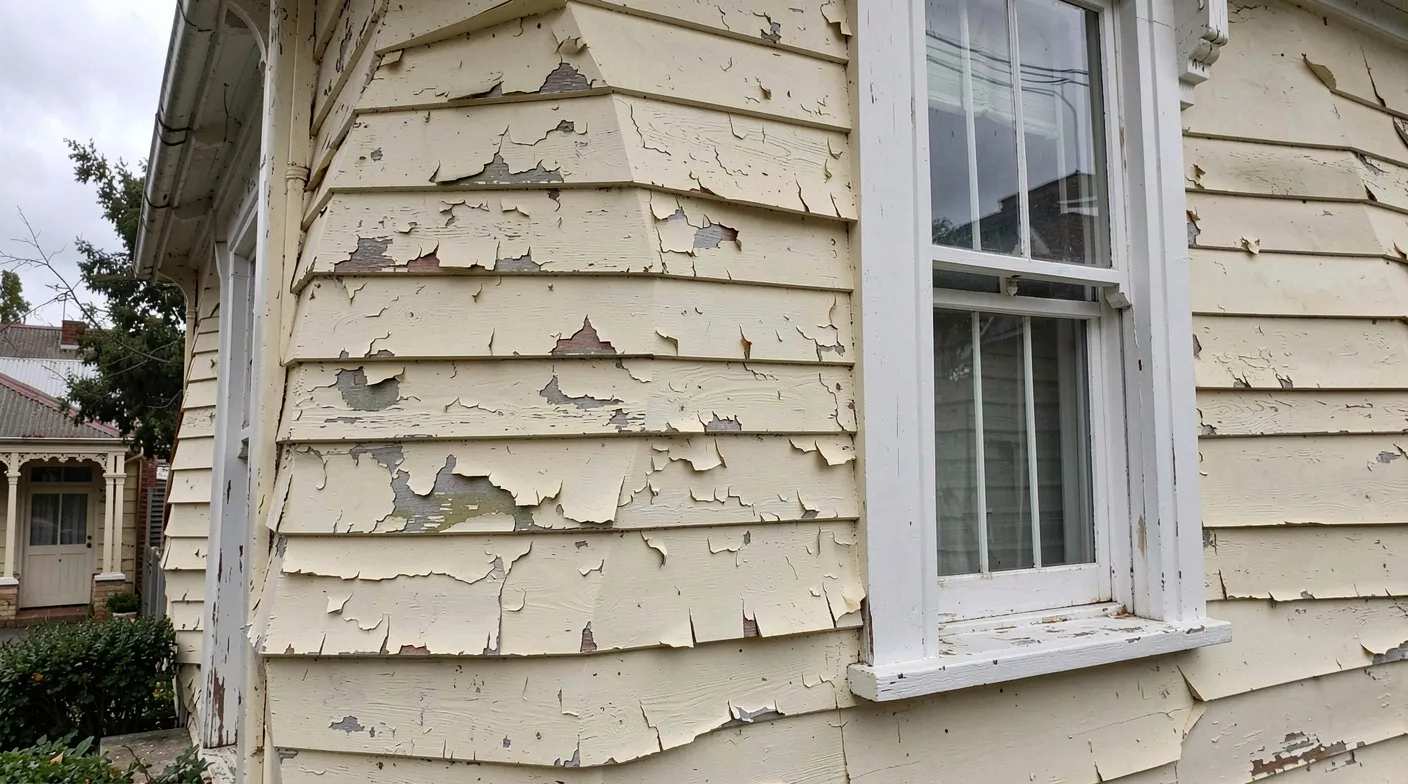
The right way to remove paint depends entirely on the surface underneath: chemical strippers suit brick and detailed metalwork, grinding suits concrete floors, careful scraping suits glazed tiles, and wire brushing plus stripper suits gates and railings. The one universal rule is to test for lead first on any pre-1970 paint, which covers a large share of Melbourne homes. Modernize Solutions handles paint removal as part of exterior and interior repaints across Melbourne, and the method we choose is always about protecting the surface, not just stripping the paint.
Key takeaway
Match the method to the surface: chemical stripper for brick and ornate metal, grinding for concrete floors, shallow-angle scraping for glazed tiles, wire brush plus stripper for railings. Test pre-1970 paint for lead before sanding or grinding anything.
Before you start: the lead paint check
Any Australian home painted before 1970 is likely to have lead in its older paint layers, and paint removal is exactly when lead becomes dangerous. Dry-sanding, grinding or blasting lead paint puts lead dust into the air, your garden and your home. Buy a lead test kit from any hardware store and test before starting. If it’s positive, use wet methods and chemical strippers rather than dry abrasion, seal off the work area, and consider a professional lead paint removal service. This isn’t box-ticking: it’s the difference between a renovation job and a contamination job.
How to remove paint from brick
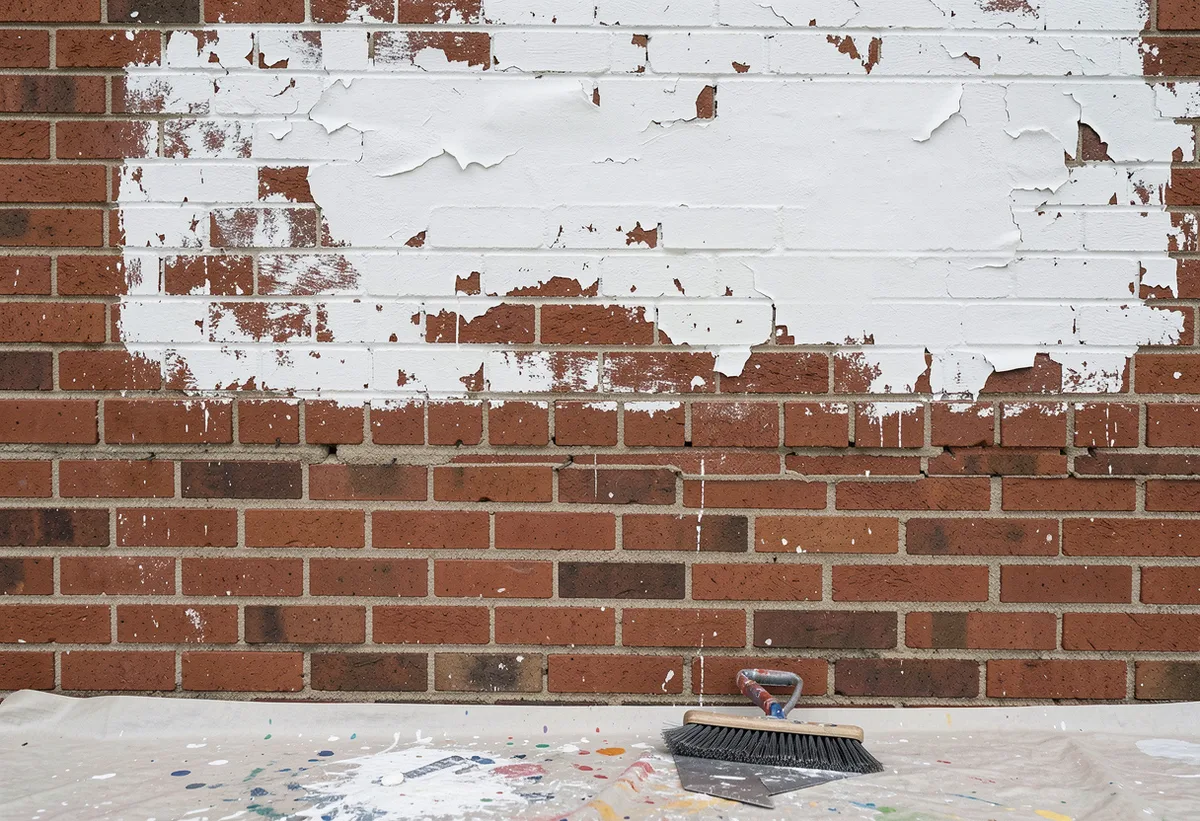
Use a masonry-safe chemical stripper in gel or paste form, and stay away from sandblasting. Brick has a hard fired outer face; blasting or aggressive grinding removes it along with the paint, leaving soft, porous brick that soaks up water and weathers badly forever after.
- Test the stripper on a hidden patch first, and test for lead if the paint predates 1970.
- Apply the stripper thickly, working in small sections. Paste and gel products cling to vertical surfaces and can be covered with peel-away sheets for longer dwell times.
- Let it dwell as directed, then scrape softened paint with a plastic or blunt metal scraper.
- Scrub residue out of the mortar joints with a stiff nylon brush and wash down.
- Repeat. Multi-layer paint on old brick almost never comes off in one pass.
Be realistic about the result: paint that has soaked into porous brick rarely comes off completely, and traces often remain in the brick’s texture and mortar lines. This is exactly why we tell homeowners that painting a brick house is a one-way decision.
How to remove paint from concrete
Chemical stripper works for patches; grinding is the right tool for whole floors. Old paint on a garage floor or path usually fails on its own schedule, flaking where car tyres and foot traffic wear it.
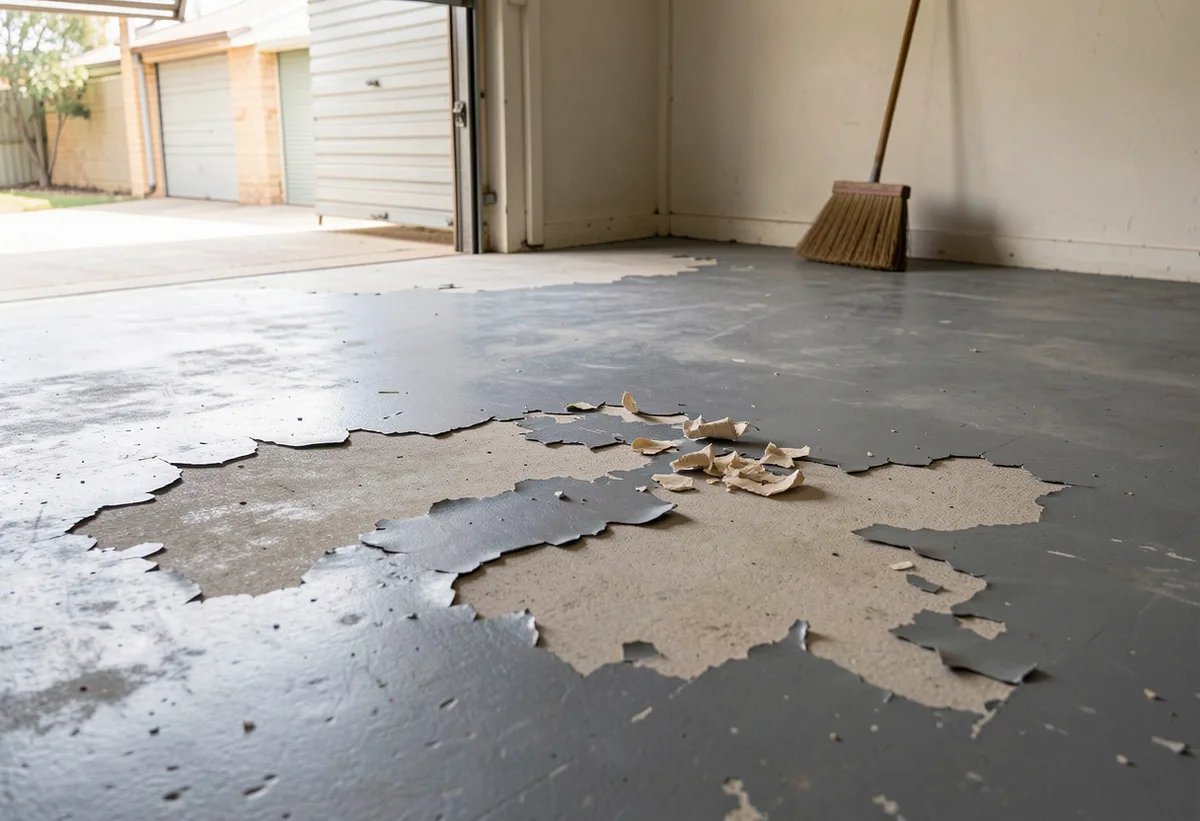
- Small areas and spills: apply stripper, wait for the paint to wrinkle and lift, scrape, then scrub with a stiff brush and rinse.
- Whole floors: hire a concrete grinder (or a contractor with one). Grinding removes the paint and profiles the concrete in one pass, which is exactly what a new coating needs to stick. It’s dusty work: use the vacuum attachment.
- Exterior flaking paint: a pressure washer clears loose, already-failing paint quickly, but won’t shift paint that’s still bonded.
If the end goal is repainting the floor rather than bare concrete, removal plus etching primer is the sequence that stops the new coat failing the way the old one did. The full repaint process for floors, walls and exteriors is in our how to paint concrete guide.
How to remove paint from tiles
Splatters and drips scrape off glazed tiles easily; fully painted tiles need a glaze-safe stripper. For the common case, paint drips on the bathroom or kitchen tiles after a ceiling repaint:
- Soften the drip with warm soapy water, or methylated spirits for stubborn acrylic.
- Hold a plastic scraper or razor blade at a shallow angle, almost flat to the tile, and slide under the paint.
- Polish off the residue with a soft cloth.
Never use metal scourers or abrasive pads: they scratch the glaze permanently, which looks worse than the paint did. If the tiles were deliberately painted with tile paint and you want them back, use a chemical stripper labelled safe for glazed surfaces and test one tile first: some tile paints bond so well that removal risks the glaze, and re-tiling can be the more honest answer.
How to remove paint from metal gates, railings and window frames
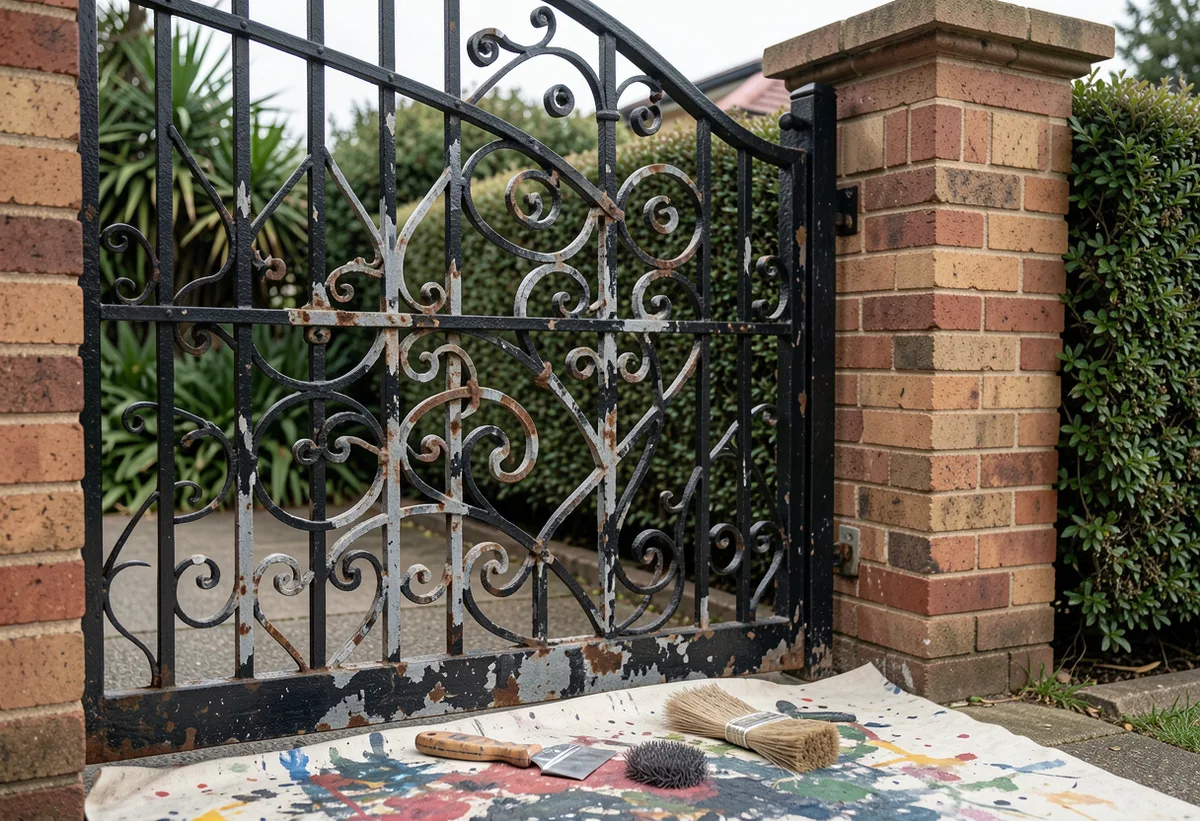
Wire brush the loose paint off, strip the rest chemically or with a heat gun, then prime bare metal the same day. Steel and iron are the most forgiving surfaces to strip because they’re hard enough to take abrasion, but the follow-up matters more than the stripping:
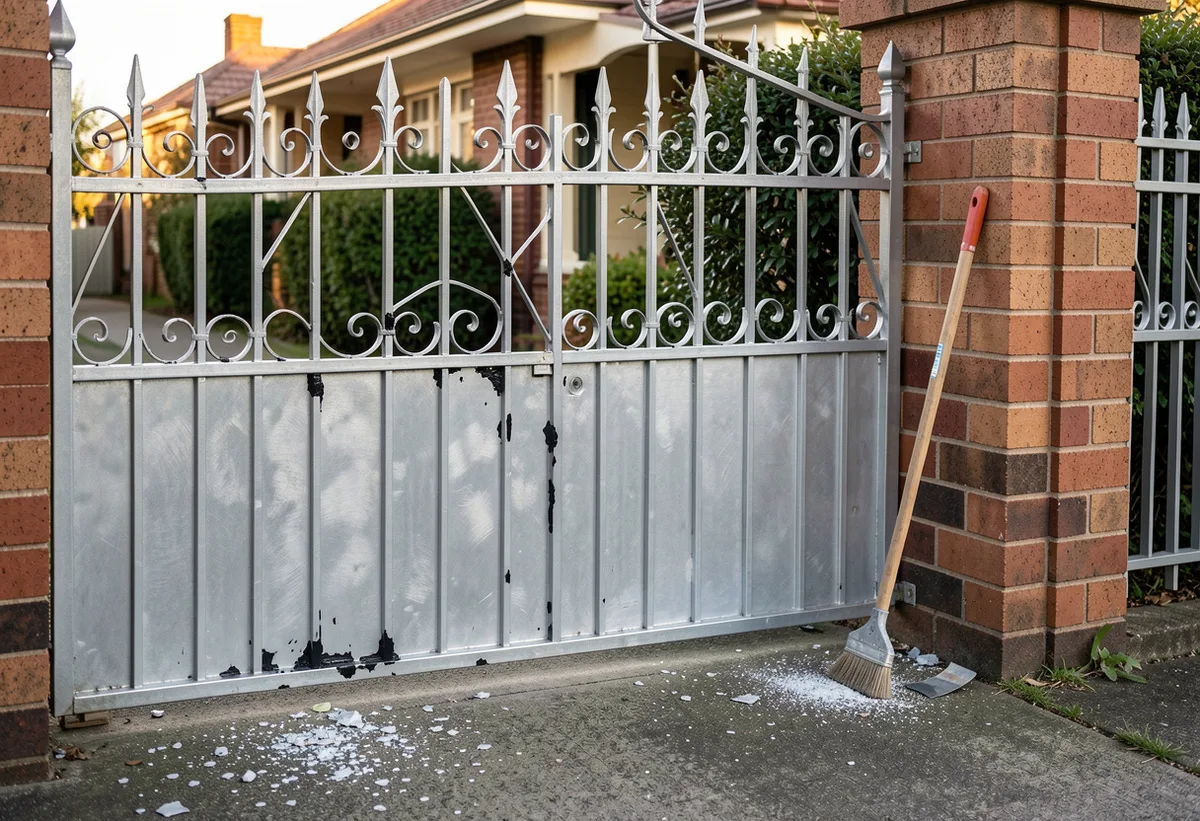
- Wire brush and scrape everything loose. On flaking gates this can be most of the job.
- Chemical stripper or a heat gun (on a low setting, with care around glass on window frames) lifts the bonded layers. A heat gun on old lead paint is a hazard: keep it below 400°C or don’t use it at all if lead is suspected.
- Treat rust spots with a rust converter, or sand back to bright metal.
- Prime the same day. Bare steel starts surface-rusting within hours outdoors. A metal etch primer first, then an enamel topcoat like Dulux Super Enamel, is the system that lasts.
For the full method-by-method breakdown, including heat guns, wire wheels and the boiling water trick for hardware, see the dedicated metal paint removal guide.
When is paint removal worth it (and when isn’t it)?
If the existing paint is sound, don’t remove it: prepare it and paint over it. Full removal earns its cost in three situations only:
| Situation | Why removal wins |
|---|---|
| The old coating is failing (flaking, peeling, bubbling) | New paint over failing paint fails with it, see our peeling paint guide |
| Too many built-up layers | Doors and windows that no longer close, or old paint stacks that delaminate under new coats |
| You want the original surface back | Exposed brick, bare timber, natural steel: removal is the only route |
Everything else is a preparation-and-repaint job, which costs a fraction of full stripping.
Big stripping job, or not sure it's needed?
We'll tell you straight whether the old paint needs to come off or just needs proper prep. Free on-site inspection across Melbourne, backed by more than three decades of experience.
Rather have a professional handle it?
Free on-site inspection and a fixed-price written quote, no obligation. Painting Melbourne homes since 1987.
Related service: House painting in Braybrook.
We paint across Werribee, West Melbourne, Parkville, Flemington, Kingsville, Strathmore and more, see our painting services in Aberfeldie, or the house painters in Melbourne families have trusted since 1987.