Most wall cracks in Melbourne homes are settling cracks, and repairing them before painting costs $150–$500 per room in 2026, often less because minor filling is built into a painter’s prep. Structural cracks, wider than about 5mm, diagonal from window corners, or mirrored in the brickwork outside, need a builder before anyone opens a paint tin. Fix then paint is the rule, because paint over bad plaster fails within months. This guide covers how to read your cracks, how patching actually works, who does what, and what it costs — see our house painting cost guide for the full picture.
We’ve prepped and painted Melbourne walls since 1987, we carry $20M public liability, and plaster preparation is part of every interior quote we write, not an upsell.
Key takeaway
Hairline cracks at joints, cornices and above doors are settling, patch and paint. Cracks over 5mm, diagonal from openings, or matched outside are structural, builder first. Patching runs $150–$500 a room, a plasterer $300–$800 for bigger damage, and painting over unrepaired plaster reopens within a season.
What kind of crack is in your wall?
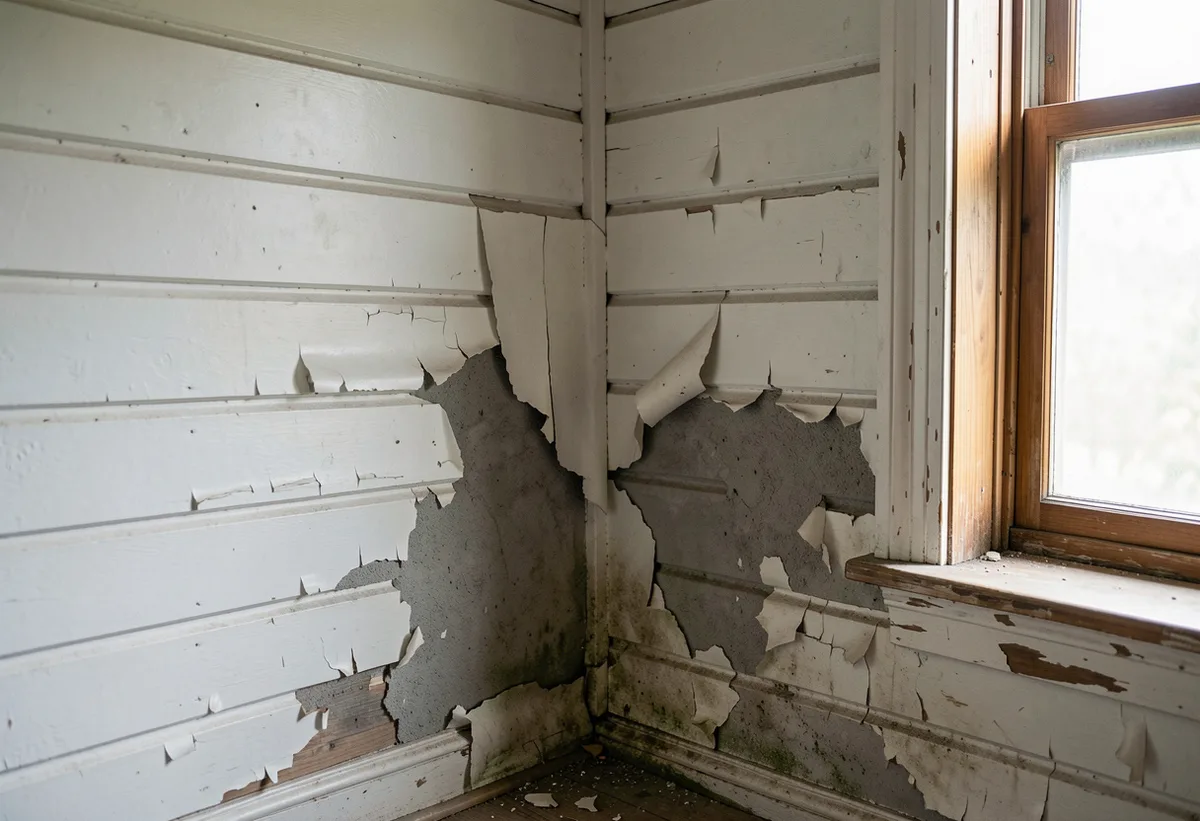
Nine out of ten cracks in Melbourne walls are seasonal settling cracks that a painter patches as part of prep. The rest are telling you something about the structure, and paint is the wrong response. Here’s how to sort one from the other:
| What you’re seeing | Likely cause | Who fixes it |
|---|---|---|
| Hairline cracks above doors and windows | Normal seasonal movement | Painter, during prep |
| Straight vertical or horizontal lines at sheet joints | Plasterboard joint tape lifting | Painter, re-tape and set |
| Cracks along the cornice line | Ceiling-wall movement, common in summer | Painter, flexible filler |
| Fine map-like crazing in old hard plaster | Ageing finish coat of solid plaster | Painter or plasterer, depending on spread |
| Crack wider than 5mm, or you can see it growing | Ground movement or footing issue | Builder or structural engineer first |
| Long diagonal crack from a window or door corner | Differential settlement | Builder or structural engineer first |
| Crack mirrored in the external brickwork | Structural movement through the wall | Builder or structural engineer first |
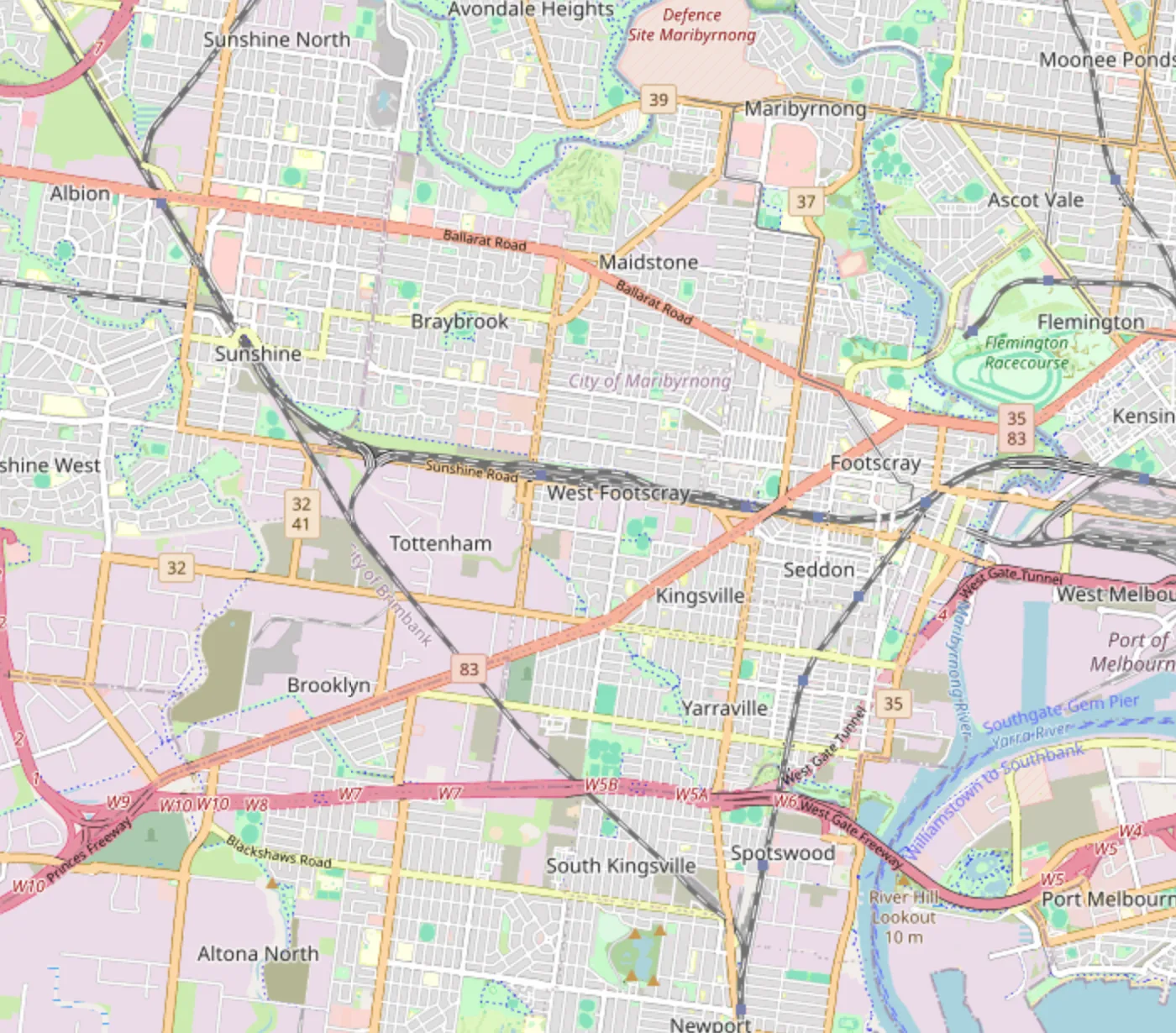
Melbourne is cracking country. Much of the west and north, Point Cook, Tarneit, Truganina, Craigieburn, sits on reactive clay that swells when wet and shrinks hard in dry summers, so hairline cracks that open in February and close by August are normal behaviour, not a defect. The Victorian Building Authority treats minor cracking in new homes as expected settlement, which is why builders won’t touch hairlines in the first years. Older homes tell a different story: pre-1950s solid (hard) plaster cracks in webs as it ages, while post-1970s plasterboard cracks along its joints.
One more sorting test costs nothing: mark the ends of a crack in pencil with the date. If it hasn’t grown in three months, patch it and paint. If it’s marching past your pencil marks, get a builder’s opinion first.
Key takeaway: Hairline and at a joint means patch it. Wide, diagonal, growing, or visible outside means investigate before painting.
How do painters patch plaster before painting?
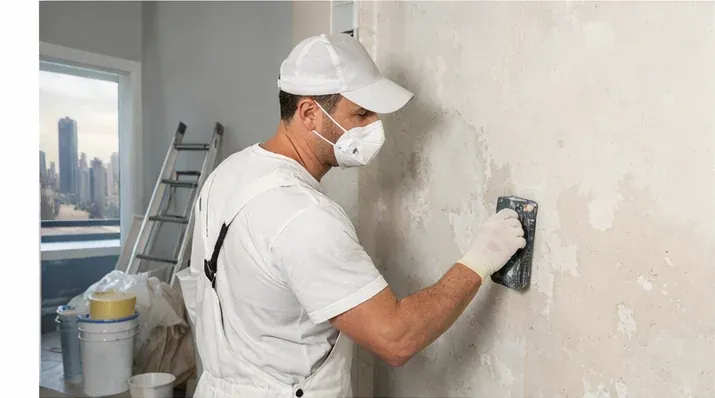
A lasting crack repair is raked out, filled, taped where needed, sanded flush and sealed with undercoat. Smearing filler over the top and painting is a repair that lasts one season. The reason is simple: a crack is a movement joint the wall made for itself. Unless the repair bridges it with something stronger than the crack, it reopens along the same line.
The process on a standard settling crack:
- Rake it out. The crack is opened into a shallow V with a scraper so the filler has something to key into. Filling a hairline as-is leaves filler sitting on the surface.
- Fill. A setting-type base compound for anything beyond a hairline, it cures hard and doesn’t shrink the way lightweight filler does.
- Tape the movers. Recurring cracks and joint cracks get jointing tape bedded over the fill, then two wider coats of compound feathered over the top. The tape is what stops the crack telegraphing back through.
- Sand flush. Blocked flat and checked with side light, a patch you can feel with your palm is a patch you’ll see in low afternoon sun.
- Seal. Every patch gets undercoat or sealer before topcoats. Bare filler is more porous than the painted wall around it, and unsealed patches flash as dull spots through the finish.
Nail pops (little circles where plasterboard screws have let go) get re-screwed beside the pop, then filled. Water-stained plaster needs the leak fixed first, then a stain-blocking sealer, or the stain bleeds straight through new paint. Bubbling and flaking around old repairs is its own problem, covered in our guides to paint bubbling and peeling paint.
Small-hole patching, filling and sanding are a reasonable DIY job if you’re patient with the sanding. Where DIY repairs go wrong is skipping the tape on moving cracks and skipping the sealer, the two steps whose absence only shows up after painting. The full wall-prep sequence is in our preparing walls for painting guide.
Key takeaway: Rake, fill, tape, sand, seal. The tape stops the crack coming back and the sealer stops the patch showing through the paint.
When does a painter handle it, and when do you need a plasterer?
A painter handles cracks, holes up to fist size, nail pops and surface repairs as part of prep. A plasterer takes over when sheets or large areas of plaster need replacing. In practice the line falls like this:
| Damage | Painter or plasterer? |
|---|---|
| Hairline and settling cracks | Painter, standard prep |
| Dents, chips, picture-hook and small screw holes | Painter, standard prep |
| Joint cracks needing re-tape and set | Painter |
| Holes up to roughly fist size | Painter, with a backing patch |
| Water-damaged or sagging plasterboard sheets | Plasterer, then painter |
| Drummy hard plaster (hollow, loose off the lath or wall) | Plasterer, then painter |
| New walls, ceilings or full re-sheet | Plasterer, then painter |
“Drummy” is worth knowing if you own a pre-1950s home in suburbs like Footscray, Yarraville or Essendon. Knock on old hard plaster and a hollow drum sound means the plaster has let go of the wall behind it. Painting drummy plaster wastes money, sections can come away in slabs, taking the new paint with them. A plasterer either re-fixes or replaces those sections first.
The practical tip: get the painter’s quote first. A good painter walks the rooms, tells you what’s inside their prep, and flags anything that needs a plasterer before them. What a proper quote itemises, prep included, is covered in our guide to what a painting quote should include.
Key takeaway: Painters repair surfaces, plasterers replace them. If the plaster is loose, sagging or water-damaged, sequence the plasterer first.
What does plaster repair before painting cost in Melbourne?
Minor crack repair is usually inside the painting quote. Beyond that, budget $150–$500 per room for patching and $300–$800 for a plasterer on bigger damage, in 2026. Typical Melbourne numbers:
| Repair | Typical 2026 cost |
|---|---|
| Hairline cracks, minor filling | Included in most painting quotes |
| Patch repairs per room (raked cracks, taped joints, small holes) | $150–$500 |
| Plasterer, small call-out job (large hole, small sheet section) | $300–$800 |
| Replace water-damaged ceiling or wall sheets | $500–$1,500+ per area |
| Re-fix or replace drummy hard plaster | Priced on inspection, rises fast with area |
Painting then goes on top at standard Melbourne interior rates of $20–$60 per square metre. The repair money is not extra spend so much as re-sequenced spend: every dollar of proper repair saves the paint job that would otherwise fail over it. A room-by-room view of painting prices is in our cost to paint a room guide.
Watch how quotes treat prep. A painting quote that’s hundreds cheaper than the others has usually found its saving in the prep line, and on cracked walls that saving is exactly the work that keeps the cracks from coming back. The pattern is covered in our guide to lowball painting quotes.
Key takeaway: Repairs are cheap next to repainting. $300 of patching protects a $3,000 paint job.
Why does paint fail over bad plaster?
Because paint is a film a fraction of a millimetre thick, and it does whatever the surface under it does. Every shortcut under the paint has its own signature failure:
- Unrepaired cracks reopen. The wall keeps moving with the seasons, the film tears along the old line, and the crack is back, now outlined in fresh paint. On reactive Melbourne clay this can happen inside one summer.
- Unsealed patches flash. Bare filler is more porous than the surrounding wall, so it pulls the sheen out of the topcoat. The result is dull ghost-spots at every repair, invisible at midday, obvious in evening side light.
- Damp plaster peels and bubbles. Paint over plaster that’s still wet from a leak or rising damp can’t bond, and the moisture pushes the film off as blisters. Mould needs treating first too, our mould before painting guide covers it.
- Chalky old plaster sheds. Aged, powdery hard plaster keeps shedding under the new coat unless it’s bound with a sealer first. The paint sticks to the powder, not the wall.
This is why prep is 60–70% of the labour on a proper interior repaint, and why “fix then paint” isn’t a sales line. It’s the difference between a finish that lasts a decade and one that starts advertising every old flaw within a year.
We check every wall before we quote, tell you what’s a patch, what’s a plasterer, and what’s fine as it is, then put the whole scope in a fixed written price. Since 1987, $20M public liability, 5.0 star reviews.
Cracked walls and a repaint on the list?
Free on-site inspection, honest advice on what needs repair, and a fixed written quote covering the lot. Prepping Melbourne walls since 1987.
Frequently asked questions
Do wall cracks need to be repaired before painting?
Yes, always. Paint has no structural strength, so a crack painted over without repair reopens as the wall moves through Melbourne’s wet-dry seasons, usually within months. A proper repair means raking the crack out, filling, taping larger cracks, sanding flush and sealing with undercoat before topcoats.
How do I know if a wall crack is structural or just settling?
Hairline cracks above doorways, along cornices and at plasterboard joints are almost always seasonal settling. Warning signs of something structural: cracks wider than about 5mm, long diagonal cracks from window or door corners, cracks that keep growing, a matching crack in the external brickwork, or doors that have started sticking. Those need a builder before a painter.
How much does plaster repair cost before painting in Melbourne?
Minor crack filling is usually built into a painting quote’s prep. Patch repairs beyond that run $150–$500 per room in 2026. A plasterer for bigger damage typically costs $300–$800 for a small job, more where sheets need replacing. Painting then goes on top at normal interior rates of $20–$60 per square metre.
Does a painter fix plaster or do I need a plasterer?
A good painter handles cracks, dents, nail pops, small holes and patching as part of preparation. You need a plasterer when sheets are water-damaged or sagging, when hard plaster is drummy (hollow and loose off the wall), or when new plasterboard needs hanging and setting. The painter then seals and paints the new work.
Why does paint fail over bad plaster?
Because paint is a thin film that copies whatever is under it. Over an unrepaired crack, the film tears when the wall moves. Over unsealed filler, the patch flashes as dull spots. Over damp or chalky plaster, the paint can’t bond and peels or bubbles. Repair, sand and undercoat over every patch are what stop a fresh paint job telegraphing every old flaw.
Rather have a professional handle it?
Free on-site inspection and a fixed-price written quote, no obligation. Painting Melbourne homes since 1987.
Related service: Plaster & Preparation
Expert plaster repair, caulking and surface preparation for a flawless paint finish.
Learn more about our Plaster & Preparation service →Painters in Maribyrnong
Professional painters in Maribyrnong. Riverside townhouses, post-war brick homes and Edwardian weatherboards. Premium Dulux finishes. Free quotes.
Painting services in Maribyrnong →Painters in your area
Right across the city, we are the house painters in Melbourne families have trusted since 1987.

Owner & Lead Painter, Modernize Solutions · Painting Melbourne homes since 1987