Last updated: 28 March 2026
A complete Melbourne house painting checklist covers three phases: preparation before the painters arrive, communication during the project, and inspection plus aftercare once painting is complete. Modernize Solutions recommends completing all “before” tasks at least one week before the start date, this one step removes a common cause of delays and helps painters begin productive work on day one.
Modernize Solutions is a Melbourne residential painting company with more than three decades of experience across hundreds of homes throughout Melbourne’s west, inner-north, inner-east and bayside. This checklist helps homeowners prepare, monitor, and finish a painting job so the result is smooth, lasting, and stress-free.
Key takeaway
The difference between a painting project that runs smoothly and one that creates stress almost always comes down to preparation, yours, not just the painter's. Complete the "before" checklist the week before work begins so painters can start productively on day one.
What should you do before the painters arrive?
Complete all preparation tasks at least one week before your Melbourne painting project starts, remove wall-mounted items, finalise colours in writing, clear access paths, and arrange pet care. The single most common cause of painting project delays is incomplete homeowner preparation, and completing the “before” checklist eliminates this risk entirely.
Complete these tasks the week before work begins so painters can start productively on day one.
Colour decisions (finalise 1–2 weeks before)
- Confirm all colours in writing with the painter.
- Test colours on the actual walls with two A3 patches, check in morning, midday, and late afternoon. Colours shift dramatically between lighting conditions. See our colour selection guide for the full testing method.
- Confirm sheen for each room: matt or low sheen for living areas and bedrooms, satin or semi-gloss for kitchens, bathrooms, and trim. Our paint finish guide covers room-by-room recommendations.
- Record exact colour codes and product names for touch-ups.
Key takeaway: Finalising all colours in writing 1–2 weeks before painting starts is the single most effective way to avoid project delays, colour indecision is the most common cause of schedule overruns on Melbourne residential painting projects.
Room preparation (2–3 days before)
- Remove wall art, mirrors, shelves, curtains and pack safely.
- Clear shelves, mantels, and windowsills.
- Move small furniture out; move large furniture to the room centre and leave covering to the painters.
- Remove light switch covers and power point plates if comfortable doing so.
- Take down curtain rods or confirm masking plans with the painter.
Practical logistics (1–2 days before)
- Clear access paths for ladders and equipment.
- Arrange pet care, keep pets away from work zones. Paint fumes (even low-VOC), open cans, and wet surfaces are all hazards.
- Reserve parking or advise on restricted street parking.
- Protect high-traffic flooring between the front door and work area.
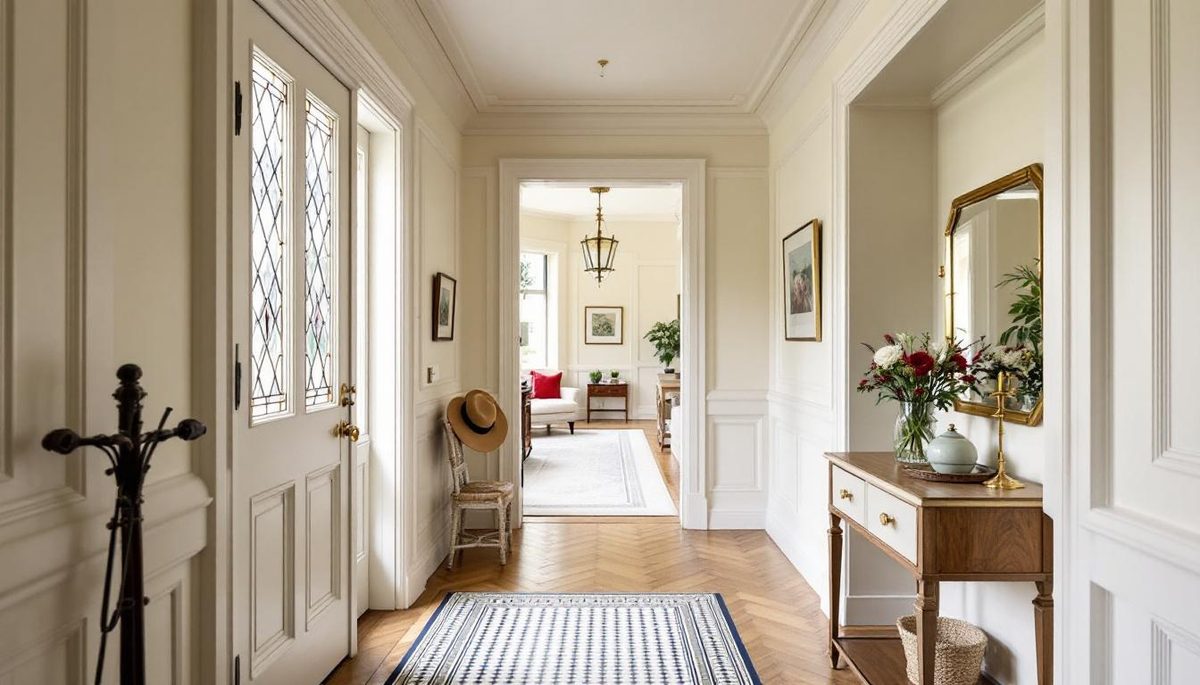
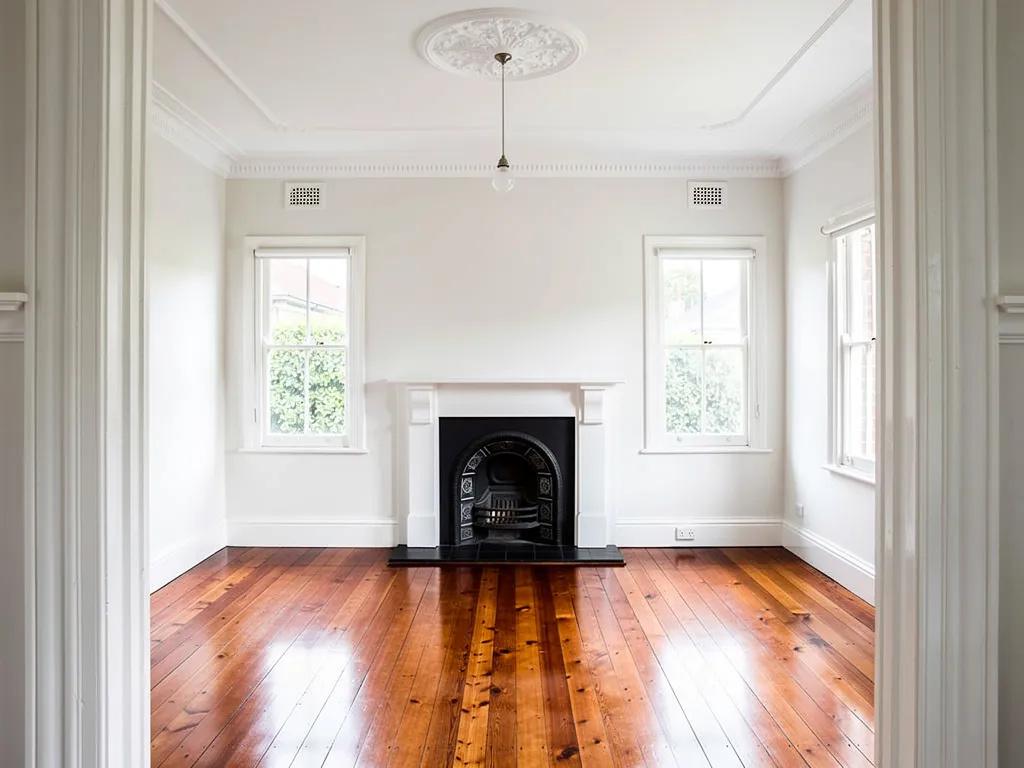
A clear, well-prepared entry hallway ready for the painters, removing wall art and small furniture before they arrive keeps the project on schedule.
Exterior-specific preparation
- Trim vegetation away from walls and eaves. Plants holding moisture against the wall compromise the new paint, a common cause of weatherboard paint failure.
- Move outdoor furniture and pots away from the house.
- Remove wasp nests and large cobwebs before painters arrive.
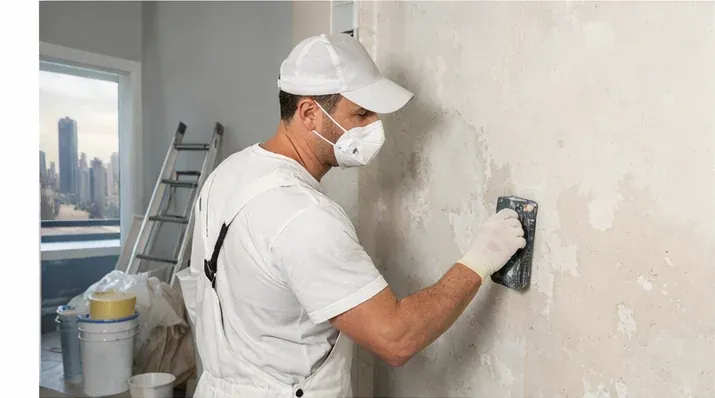
- Photograph external damage to discuss scope and repairs. Our wall preparation guide explains what thorough prep looks like.
What should you do during the painting project?
Your role during a painting project shifts from preparation to communication, establish a brief daily check-in with the painter, raise concerns immediately so they can be fixed before final coats, and confirm the colour reads correctly on the wall before the second coat is applied. Keeping children and pets away from wet paint zones is essential for safety.
Your role shifts to communication and giving painters uninterrupted access.
Communication
- Establish a short daily check-in at start or finish of each day.
- Raise concerns immediately so issues can be fixed before final coats.
- Confirm colour reads correctly on the wall before the second coat. The first coat often looks uneven, this is normal. But if the colour itself looks different from what you expected, now is the time to say so.
Typical timeline
- Day 1 interior: protection, masking, filling, sanding, spot-priming. Paint may not appear on day one, this is a good sign that preparation is being done properly.
- Day 1 exterior: pressure wash, scrape, sand. Surfaces may look worse before they improve as all the failing paint is removed.
- Mid-project: first coats applied; rooms may be inaccessible while drying (2–4 hours per coat).
- Final days: second coats, trim and door enamel, touch-ups, cleanup.
For detailed timeline breakdowns by project size, see our guide on how long it takes to paint a house.
Living in the home during painting
- Ventilate rooms to speed drying. Modern water-based paints like Dulux Wash&Wear are low odour but ventilation helps.
- Keep children and pets away from wet paint, avoid contact for 24 hours.
- Expect disruption; plan meals, work, and sleeping around the schedule.
- Expect dust during preparation; painters should contain and clean daily.
According to Dulux Australia, modern water-based interior paints like Dulux Wash&Wear meet Australian VOC (Volatile Organic Compound) emission standards and are classified as low-odour, but adequate ventilation during and after painting is still recommended, particularly for households with young children, pregnant women, or individuals with respiratory sensitivities.
Key takeaway: Professional interior painting timelines already account for drying time between coats, with modern water-based paints, recoat time is 2–4 hours, allowing a first coat in the morning and second coat the same afternoon.
What should you check after the painting is complete?
Inspect every room in natural daylight on the day of completion, check for even coverage, clean cut-in edges, no drips or runs, consistent sheen, and smooth repairs. Collect labelled touch-up paint, clarify warranty terms, and avoid washing walls or hanging pictures for 2-4 weeks while the paint fully cures.
A proper handover and early care extend the finish life.
Final inspection (day of completion)
Walk through each room with the painter and check:
- Coverage, especially on colour-change walls.
- Clean edges where walls meet ceilings and trim.
- No drips or runs on frames and skirting.
- Repaired areas are smooth to the touch.
- Consistent sheen across each wall.
- Trim and enamel work have clean brush lines.
- Site is cleaned and drop sheets removed.
Inspect in natural daylight
Always inspect finished paintwork in natural daylight, not under artificial lights. Daylight reveals missed patches, uneven coverage, and visible brush marks that are invisible under warm interior lighting.
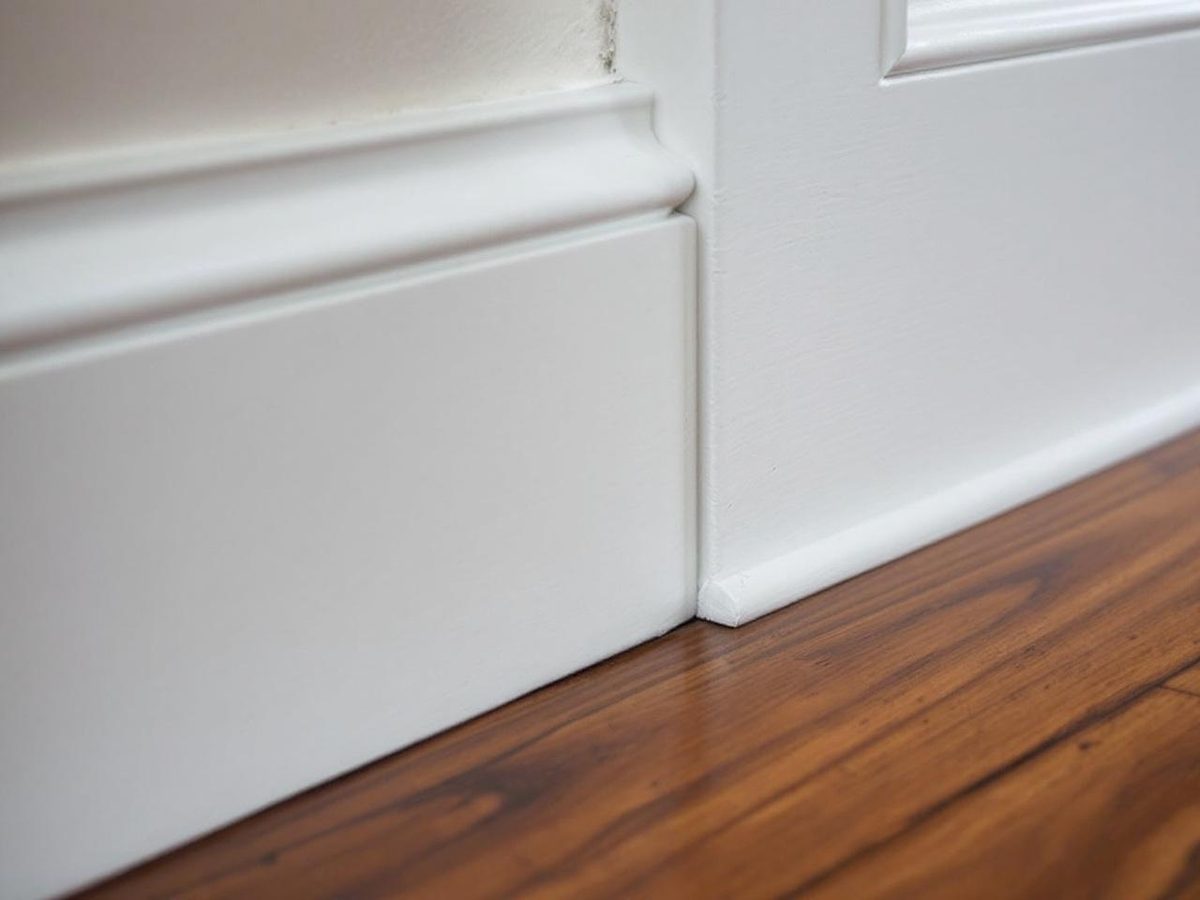
Quality enamel work on skirting boards, check for clean lines, no brush marks, and consistent sheen during your final inspection.
Touch-ups and warranty
- Collect labelled leftover touch-up paint for each colour used.
- Clarify warranty or guarantee terms. Reputable companies typically offer a workmanship warranty covering 2–5 years. Modernize Solutions provides a workmanship guarantee, any issue with our work is fixed at no cost.
- Report defects promptly so they can be addressed under warranty.
Curing period (first 2–4 weeks)
Fresh paint is touch-dry in hours but takes 2–4 weeks to fully cure.
- Do not wash walls for at least 2 weeks.
- Do not hang pictures or drill into freshly painted walls for 2–4 weeks.
- Keep a small gap between furniture and walls for the first 2 weeks.
- Maintain good ventilation to speed curing.
Ongoing maintenance
- Dust walls every 3–6 months with a soft microfibre cloth.
- Clean marks promptly with mild soapy water, avoid abrasive cleaners.
- Touch up chips and scratches with leftover paint to prevent moisture damage.
- Inspect exterior paint annually for chalking, cracking, or peeling, and repair early. Our weatherboard repainting guide covers what to look for.
For more on interior vs exterior maintenance differences, see our comparison guide.
According to the Master Painters Association of Victoria, a well-maintained interior paint job on properly prepared surfaces with premium paint lasts 7–10 years, while exterior paint in Melbourne’s climate lasts 10–15 years, with west-facing walls being the first to show wear due to intense afternoon UV exposure.
Key takeaway: Ongoing maintenance extends paint life significantly, dust walls every 3–6 months, clean marks promptly with mild soapy water, touch up chips immediately, and inspect exterior paint annually for early signs of failure.
What does a complete Melbourne house painting checklist look like?
A complete house painting checklist covers three phases: preparation before painters arrive (colour decisions, room clearing, logistics), communication during the project (daily check-ins, colour confirmation, safety), and inspection plus aftercare once painting is complete (daylight inspection, touch-up paint collection, curing period, ongoing maintenance).
Before
- Finalise colour choices with painter in writing
- Confirm sheen levels
- Record colour codes and product names
- Remove wall art, mirrors, shelves, curtain rods
- Clear shelving and mantelpieces
- Move small furniture out; large items to room centre
- Remove light switch and power point covers
- Clear access paths
- Arrange pet care
- Reserve parking for painter vehicle
- Trim vegetation from exterior walls
- Move outdoor furniture and pots away from walls
- Remove wasp nests under eaves
- Photograph external damage to discuss with painter
During
- Quick daily check-in with painter
- Confirm colour on the wall before second coat
- Raise concerns the same day
- Keep children and pets away from wet paint
- Ventilate rooms after painting
- Plan meals and sleeping around painting schedule
After
- Walk through every room with painter for final inspection
- Check coverage, edges, drips, smoothness, sheen
- Inspect in natural daylight
- Collect and label leftover touch-up paint
- Clarify warranty terms
- Do not wash walls for 2 weeks
- Do not hang pictures or shelves for 2–4 weeks
- Keep furniture away from walls for 2 weeks
- Schedule annual exterior inspection
What are the most common mistakes homeowners make during a painting project?
The most common mistake Melbourne homeowners make is failing to finalise colour decisions before the painter arrives, colour indecision causes more project delays, cost overruns, and schedule disruptions than any other single factor on residential painting jobs.
- Not finalising colours in writing before work starts, Verbal agreements lead to misunderstandings. Confirm every colour code, product name, and sheen level in writing at least one week before painting begins.
- Leaving wall-mounted items for the painter to remove, Painters will work around obstacles, but removing items yourself prevents accidental damage to personal belongings and saves billable time.
- Skipping the daily check-in, Small issues caught on day one are easy to fix. The same issues discovered during final inspection may require recoating entire walls.
- Inspecting finished work under artificial light, Artificial lighting hides missed patches, uneven coverage, and visible brush marks. Always inspect in natural daylight.
- Washing walls or hanging pictures too soon, Paint is touch-dry in hours but takes 2-4 weeks to fully cure. Drilling, hammering, or scrubbing before curing causes cracking and chipping.
| Phase | Common Mistake | Consequence | Prevention |
|---|---|---|---|
| Before | Colour not finalised in writing | Project delays, wrong colour applied | Confirm all colours 1-2 weeks before |
| Before | Furniture and items not moved | Slower progress, risk of damage | Clear room 2-3 days before |
| During | No daily check-in with painter | Issues discovered too late | 5-minute check-in at start or end of day |
| After | Inspecting under artificial light | Missed patches and defects | Always inspect in natural daylight |
| After | Hanging pictures within 2 weeks | Cracking and chipping around fixtures | Wait 2-4 weeks for full curing |
How Modernize Solutions manages projects
Modernize Solutions completes all work with its own team, never subcontractors, across Melbourne’s western suburbs, northern suburbs, and bayside communities.
- More than three decades serving Melbourne homes since 1987.
- Uses Dulux premium products and leaves labelled touch-up paint.
- Workmanship guarantee (issues fixed at no cost) and $20M public liability insurance.
- Owner is on site for every project.
- Rated 5.0 stars on Google.
For a full guide to the hiring process, see everything you need to know before hiring a painter. For help evaluating quotes, see our painting quote guide.
Call 0433 803 841 for a free quote, or request a quote online.
Frequently asked questions
What do I need to do before the painter starts?
Remove wall-mounted items, clear shelves, move small breakables, confirm colours in writing, clear access paths, and arrange pet care. The more you prepare the week before, the faster the crew can begin productive work on day one.
Do I have to move all furniture out?
No. Small items and wall-mounted objects should be removed. Large furniture can stay in the room, professional painters move it to the centre and cover it with drop sheets. Heavy items like beds and sofas do not need to leave the house.
How do I inspect the paint job?
Inspect in natural daylight, not under artificial lights. Check for even coverage, clean straight cut-ins where walls meet ceilings and trim, no drips or runs on frames and skirting, consistent sheen across each wall, and smooth repairs. Run your hand across the surface, it should feel uniformly smooth.
When can I hang pictures and shelves?
Wait 2-4 weeks to allow full curing. While paint is touch-dry within hours, it takes 2-4 weeks to fully harden. Drilling or hammering into walls before curing is complete can cause cracking and chipping around the fixture point.
How do I keep painted walls looking good?
Dust every 3-6 months with a soft microfibre cloth. Clean marks promptly with mild soapy water and avoid abrasive cleaners. Touch up chips and scratches with leftover paint to prevent moisture damage. Keep wet areas ventilated. A well-maintained interior paint job typically lasts 7-10 years.
Rather have a professional handle it?
Free on-site inspection and a fixed-price written quote, no obligation. Painting Melbourne homes since 1987.
Related service: Interior Painting
Walls, ceilings, doors and trim painted room by room, with full prep and Dulux finishes.
Learn more about our Interior Painting service →Painters in Moonee Ponds
Professional painters in Moonee Ponds. Edwardian, Art Deco and Californian bungalow specialists. Dulux premium paints, more than three decades experience. Free quotes.
Painting services in Moonee Ponds →Painters in your area
Right across the city, we are the house painters in Melbourne families have trusted since 1987.

Owner & Lead Painter, Modernize Solutions · Painting Melbourne homes since 1987