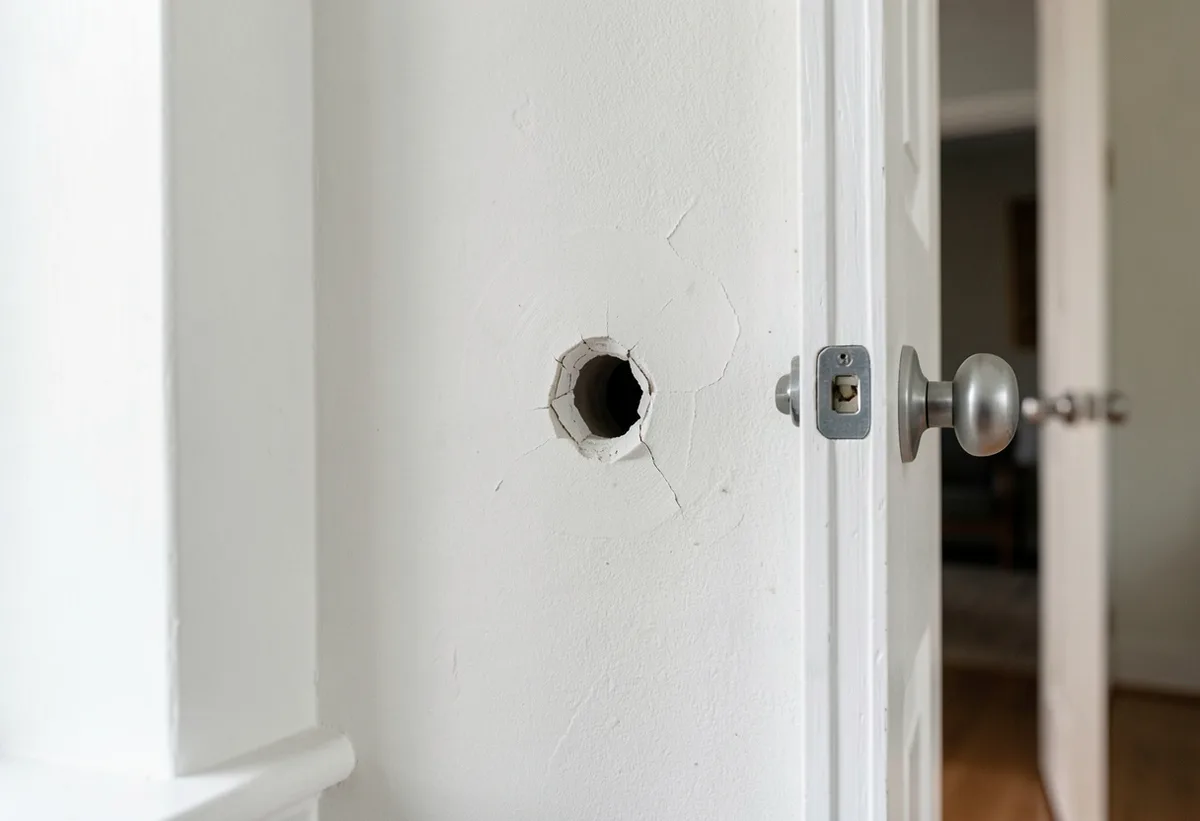
To patch a hole in a wall: fill nail holes with spakfilla; cover anything up to fist-sized with a $12 self-adhesive mesh patch and two to three coats of joint compound; and cut back anything bigger to a clean rectangle with timber backing and a new piece of plasterboard. The plaster work is the easy half. The half that shows is the sanding and painting, and both are covered below.
Below: the three repair tiers by hole size, the different approach for hard plaster in older Melbourne homes, and the paint-matching step that decides whether the repair shows.
Key takeaway
Match the method to the hole size: filler, mesh patch, or cut-and-replace. Let every coat dry fully, sand feather-smooth, prime the patch, and repaint wide. The patch you can see was almost always rushed at the paint stage, not the plaster stage.
How do you fill small nail and screw holes?
Press ready-mixed filler in with a flexible putty knife, scrape flush, let it dry for an hour, sand lightly and touch up the paint. That’s the whole job for anything under about a 10-cent coin.
Two details worth doing properly: push any raised paper or plaster around the hole back flat first (a firm rub with the putty-knife handle works), and expect deep screw holes to need a second pass, because fillers shrink slightly as they dry. If the wall has dozens of picture-hook holes from a rental exit or a house sale tidy-up, fill them all in one pass, then sand and paint in one pass. Painting each hole individually with a dabbed brush leaves a polka-dot wall; see how paint touch-ups flash for why.
How do you patch a fist-sized hole in plasterboard?
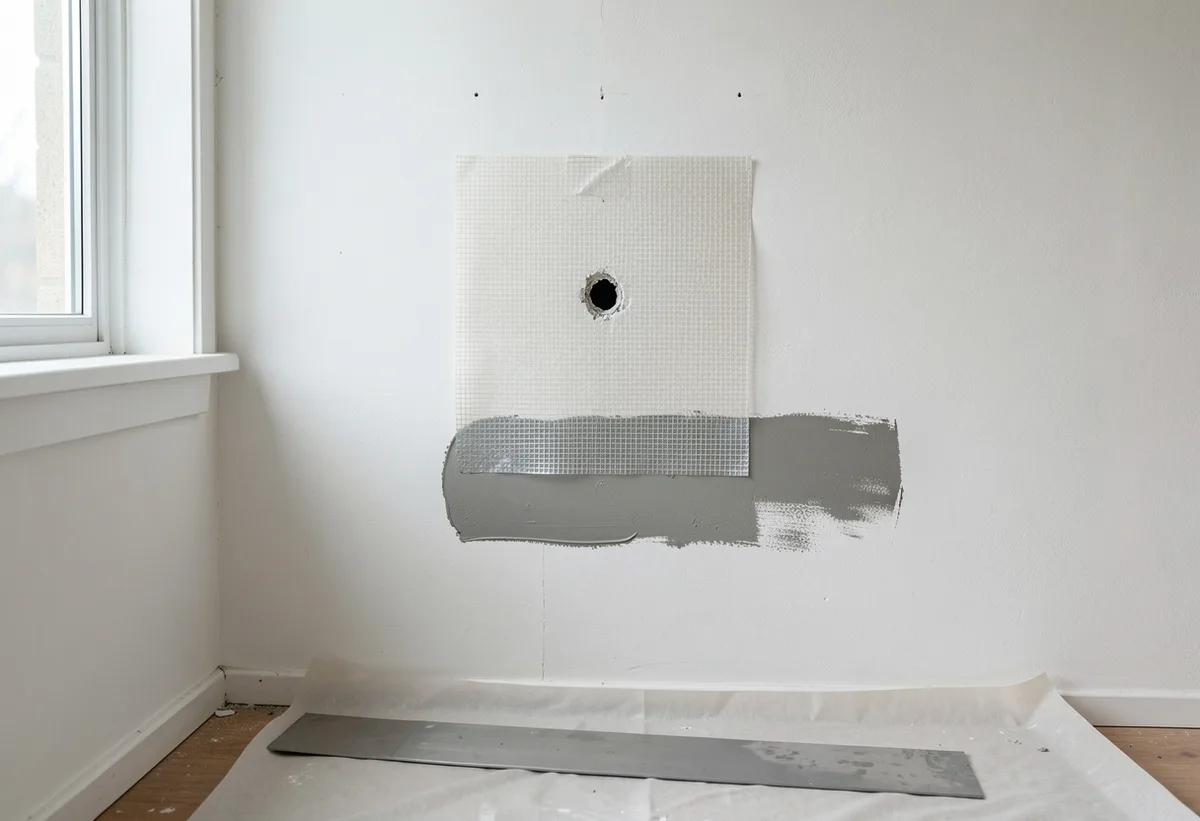
Use a self-adhesive aluminium or fibreglass mesh patch, then build two to three thin coats of joint compound over it, each coat wider than the last. Step by step:
- Trim the hole. Cut away loose paper and broken plaster so nothing sticks out past the wall face.
- Stick the patch on. Centre the mesh patch over the hole and press the adhesive edges down firmly.
- First coat. Spread joint compound over the patch with a broad filling blade, pressing it through the mesh. Keep it thin; don’t try to bury the patch in one go. Dry overnight.
- Second coat. Spread a wider coat past the first coat’s edges, feathering the blade pressure off at the rim. Dry again. A third thin coat if the mesh still shadows through.
- Sand. 240-grit, light circular strokes, until you can’t feel where wall ends and patch begins. Wipe the dust off.
| Hole size | Method | Materials cost | Elapsed time (incl. drying) |
|---|---|---|---|
| Nail/screw holes | Ready-mixed filler | $10-15 | 1-2 hours |
| Up to fist-sized | Mesh patch + joint compound | $20-30 | 1-2 days |
| 15 cm and up | Cut back, timber backing, new plasterboard | $30-60 | 2-3 days |
| Hard plaster (pre-1960s walls) | Setting-type base plaster + topping coat | $25-50 | 2-3 days |
How do you fix a large hole in a plasterboard wall?
Cut the damage back to a clean rectangle, screw timber backing battens inside the cavity, fit a matching plasterboard offcut, then tape and set the joins. This is the repair for anything a mesh patch would sag across, roughly 15 cm and up.
Mark a rectangle around the damage and cut it out with a plasterboard saw, checking first for cables and pipes (a $15 stud finder with wire detection is cheap insurance; anywhere near a power point or light switch, stop and get an electrician’s OK). Screw two timber battens vertically inside the opening, half hidden behind the wall each side. Screw a fresh plasterboard offcut to the battens, tape the four joins with paper or mesh tape, and set with two to three widening coats of compound exactly as with the mesh patch. Check the new piece matches the wall’s thickness: most Melbourne walls are 10 mm plasterboard, but wet areas and some ceilings differ.
How do you patch holes in hard plaster walls in older homes?
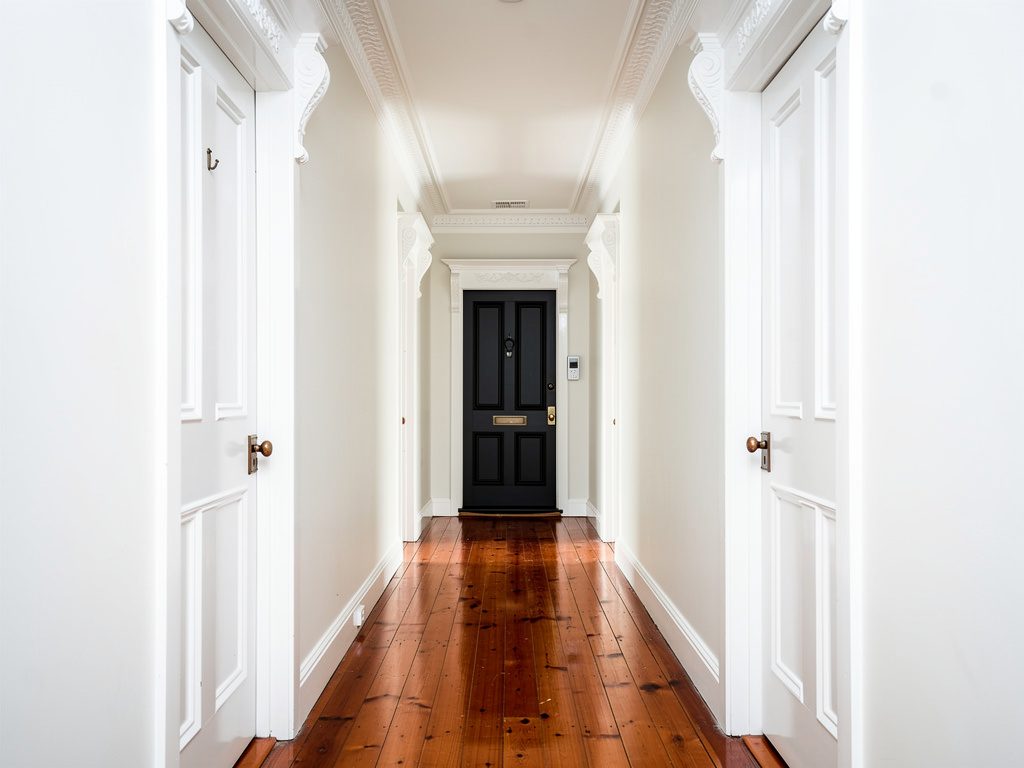
Pre-1960s Melbourne homes usually have hard plaster (solid plaster over lath or brick), which needs a setting-type base plaster for depth, not lightweight plasterboard fillers. Lightweight compounds shrink and crack when applied thick in a hard-plaster wall.
Build the depth back with a base-coat plaster in layers, then finish with a fine topping compound sanded smooth. Before patching, tap the wall around the damage. A hollow, drummy sound means the plaster sheet has separated from the lath or masonry behind it, and a cosmetic patch over drummy plaster cracks out within months; that’s a section-replacement job. Period cornices, picture rails and heritage details around the damage are also a reason to hand it over; our heritage house painting guide covers what’s involved.
Why does the patch show through the paint?
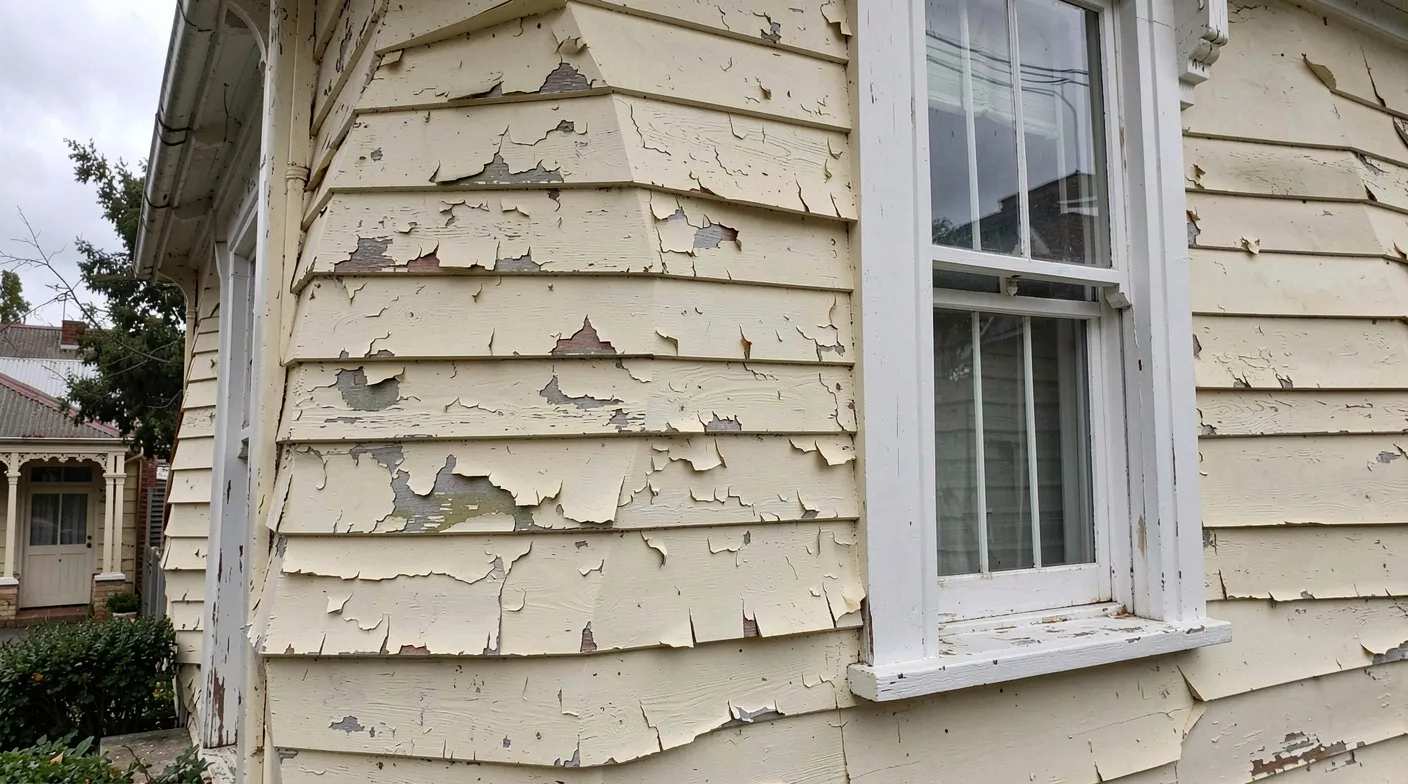
Because filler and compound absorb paint differently than the painted wall around them, and because a small painted patch dries with a different sheen than an aged wall. Painters call it flashing. The plaster can be dead flat and the repair still visible in afternoon light.
The fix order: prime the patch (a dedicated primer-sealer, not watered-down wall paint), then repaint the wall. If the wall was painted in the last year or two and you have the original tin, a feathered touch-up over the primed patch can disappear. Any older, and the honest answer is repainting the whole wall corner to corner, because new paint against aged paint shows a join no amount of careful cutting hides.
When should you get a professional in?
When the hole count or the finish standard makes DIY a false economy: multiple rooms of damage, hard-plaster or heritage walls, drummy sections, water-damaged plaster, or a sale/rental deadline where the walls need to look genuinely new. A patched-and-painted single hole runs $250 to $450 in Melbourne, and a visit clearing every hole, chip and scuff in the house costs little more than fixing two or three.
Water-stained or crumbling plaster deserves a mention: patching over a leak’s damage before fixing the leak fails every time, and paint problems that keep returning around a repair usually mean moisture is involved.
Our small painting jobs service covers exactly this: patch, prime and paint, single walls and single rooms, colour-matched properly. For bigger damage across a whole house, the house painting cost guide shows what full rooms cost.
Wall damage that needs to disappear?
We patch, prime and paint so you cannot find the repair afterwards. One visit, colour-matched, anywhere in Melbourne.
Learn more about our interior painting service or our small painting jobs service for patch-and-paint work.
Rather have a professional handle it?
Free on-site inspection and a fixed-price written quote, no obligation. Painting Melbourne homes since 1987.
Related service: Interior painting.
We paint across Albion, Ardeer, Footscray, Brunswick, Essendon, Richmond and more, see our painting services in Williamstown, or the house painters in Melbourne families have trusted since 1987.